
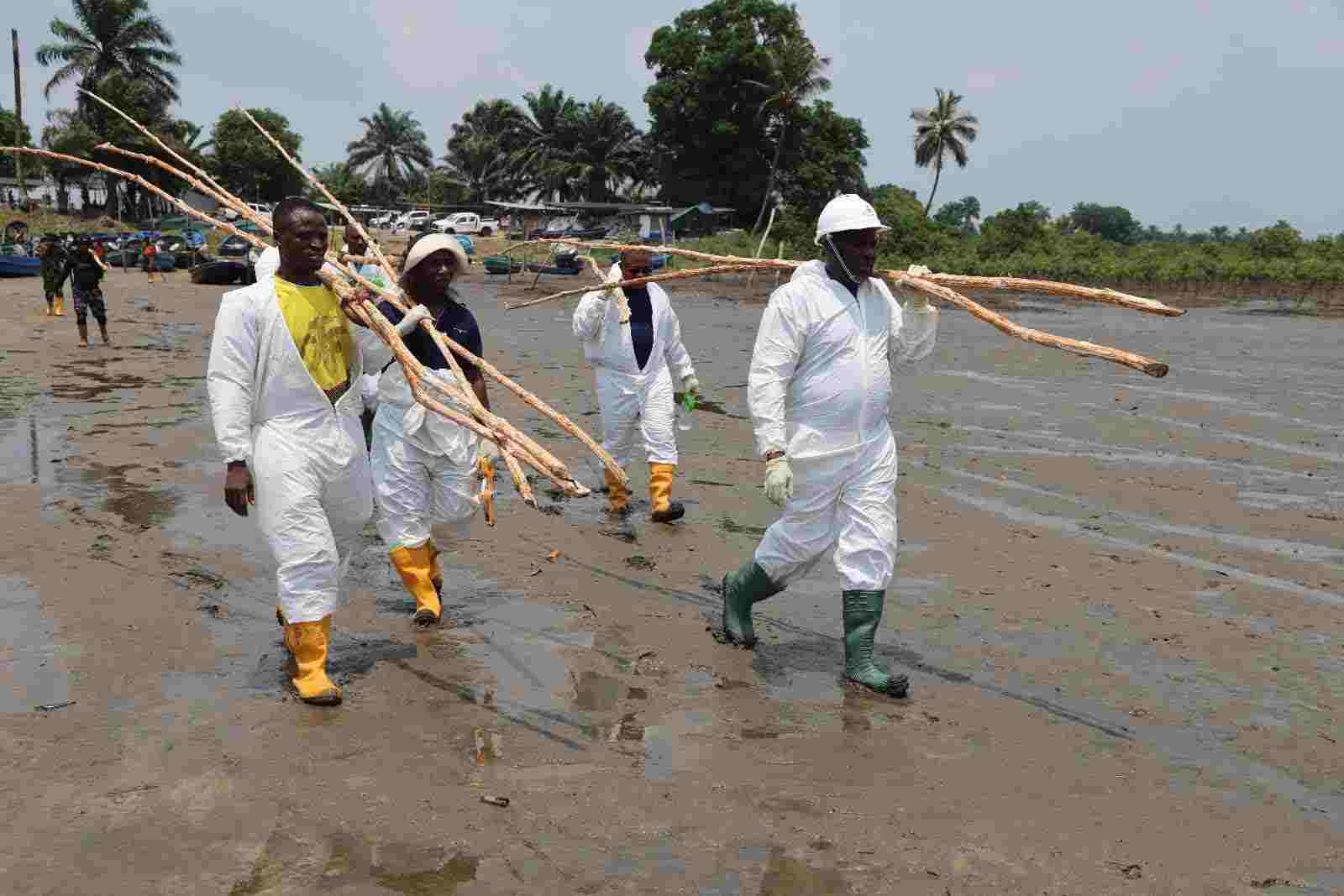
The Hydrocarbon Pollution Remediation Project (HYPREP) has officially secured international recognition for the Ogoni mangrove wetlands as a Ramsar Site of International Importance, validating years of extensive restoration efforts in the Niger Delta.
The announcement was made on Monday by HYPREP Project Coordinator, Prof. Nenibarini Zabbey, who described the designation as a proud moment for HYPREP, the people of Ogoni, and all stakeholders committed to environmental restoration.
Zabbey explained that mangrove wetlands are vital for biodiversity, environmental protection, and sustainable livelihoods. Covering over 31,700 hectares, the Ogoni wetlands consist of islands, tidal creeks, mudflats, and mangrove forests that support diverse species including fin fish, shellfish, crustaceans, crocodiles, turtles, and the endangered grey parrot.
“The wetland provides vital ecosystem services, including fisheries production, flood regulation, water purification, and carbon storage,” Zabbey noted. He added that the designation would further support local livelihoods, cultural practices, and ecotourism while strengthening conservation measures.
The recognition marks the conclusion of a process that began in 2024, when HYPREP submitted a memorandum to the National Council on Environment seeking support for the designation. Following approval, the Minister of Environment and Chairman of HYPREP’s Governing Council, Balarabe Abbas Lawal, formally wrote to the Ramsar Convention Secretariat. After careful assessment, the Secretariat granted the designation.
Zabbey stressed that the recognition represents another milestone in implementing the UNEP recommendations on Ogoniland, highlighting the Federal Government’s commitment to long-term environmental restoration. He reaffirmed HYPREP’s dedication to remediating oil-damaged land, shorelines, and mangrove areas, while calling for collective responsibility to sustain progress.
“Recognising the Ogoniland wetland as one of the wetlands of global importance will bolster ongoing HYPREP environmental restoration efforts in the area. It also promotes stronger conservation measures and sustainable management for the benefit of current and future generations,” he said.
By Ngozi Nwankwo, Abuja

