
The Federal Government, through the Ministry of Livestock Development, has partnered with the Food and Agricultural Organization (FAO), a specialized UN agency, to unlock a $350,000 intervention fund aimed at combating the outbreak of Avian Influenza, popularly known as Bird Flu, in Nigeria.
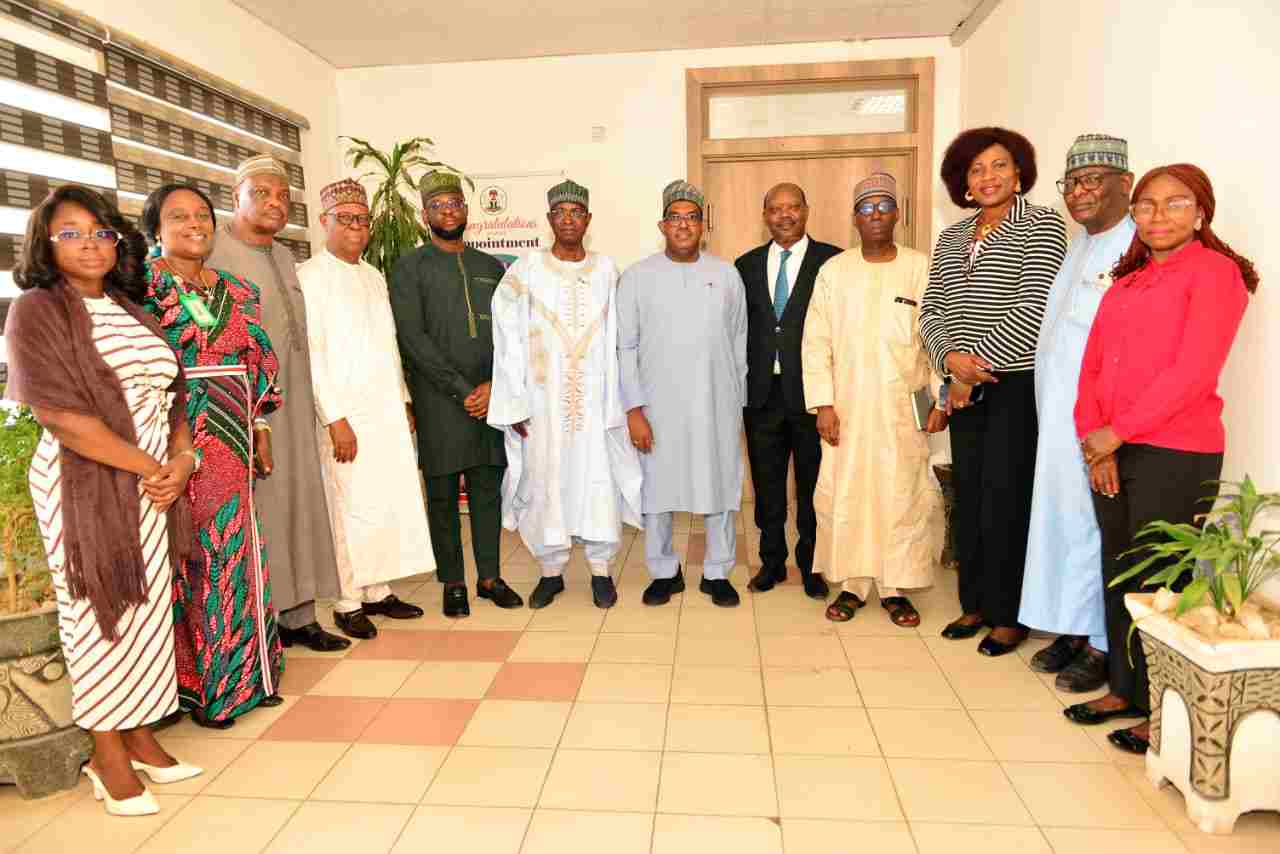
At a meeting in Abuja between the Minister of Livestock Development, Idi Mukhtar Maiha, and the FAO Representative to Nigeria and ECOWAS, Dr. Hussein Gadain, alongside senior officials of both institutions, FAO announced the approval of the fund to support Nigeria’s efforts in containing the Highly Pathogenic Avian Influenza (HPAI).
Both parties agreed on concrete actions to strengthen animal health systems, control livestock diseases, and accelerate the transformation of Nigeria’s livestock sector. Dr. Gadain commended the government’s expansion of the livestock sector and reiterated FAO’s commitment to providing technical support. He emphasized the importance of veterinary services at state and community levels for early detection of animal diseases and the promotion of biosecurity practices among farmers.
The FAO Representative also revealed ongoing plans for the FAO Director-General to visit Nigeria during the Antimicrobial Resistance (AMR) Conference scheduled for June 2026 in Abuja, where President Bola Ahmed Tinubu is expected to be recognized as the African Champion for PPR Eradication.
A statement from the Ministry’s Head of Press and Public Relations, Oghenekevwe Uchechukwu, noted that the meeting reviewed progress on the global campaign to eradicate Peste des Petits Ruminants (PPR), a highly contagious disease affecting sheep and goats. To advance the initiative, the Ministry will convene a national technical meeting involving veterinary institutions, researchers, and practitioners to review Nigeria’s PPR eradication strategy and address vaccine supply gaps.
Minister Maiha stressed the need for stronger disease control to improve livestock productivity, pledging collaboration with the National Veterinary Research Institute (NVRI) to assess vaccine production capacity and meet national demand. He also highlighted challenges such as feed scarcity, inadequate rainfall, and cross-border livestock movement.
Both parties further agreed to accelerate Nigeria’s access to financing under the Pandemic Fund through the One Health approach, in collaboration with the Federal Ministry of Health and the Nigeria Centre for Disease Control (NCDC). They also resolved to inaugurate a Livestock Donor Working Group to coordinate development partner support and advance initiatives, including the development of a national feed and fodder strategy to enhance productivity and sustainability in the livestock sector.
By Godwin Ogar, Abuja

