
By Godwin Ogar
The Federal Government has unveiled plans to eliminate middlemen in Nigeria’s livestock value chain as part of efforts to reduce rising food prices and improve earnings for farmers.
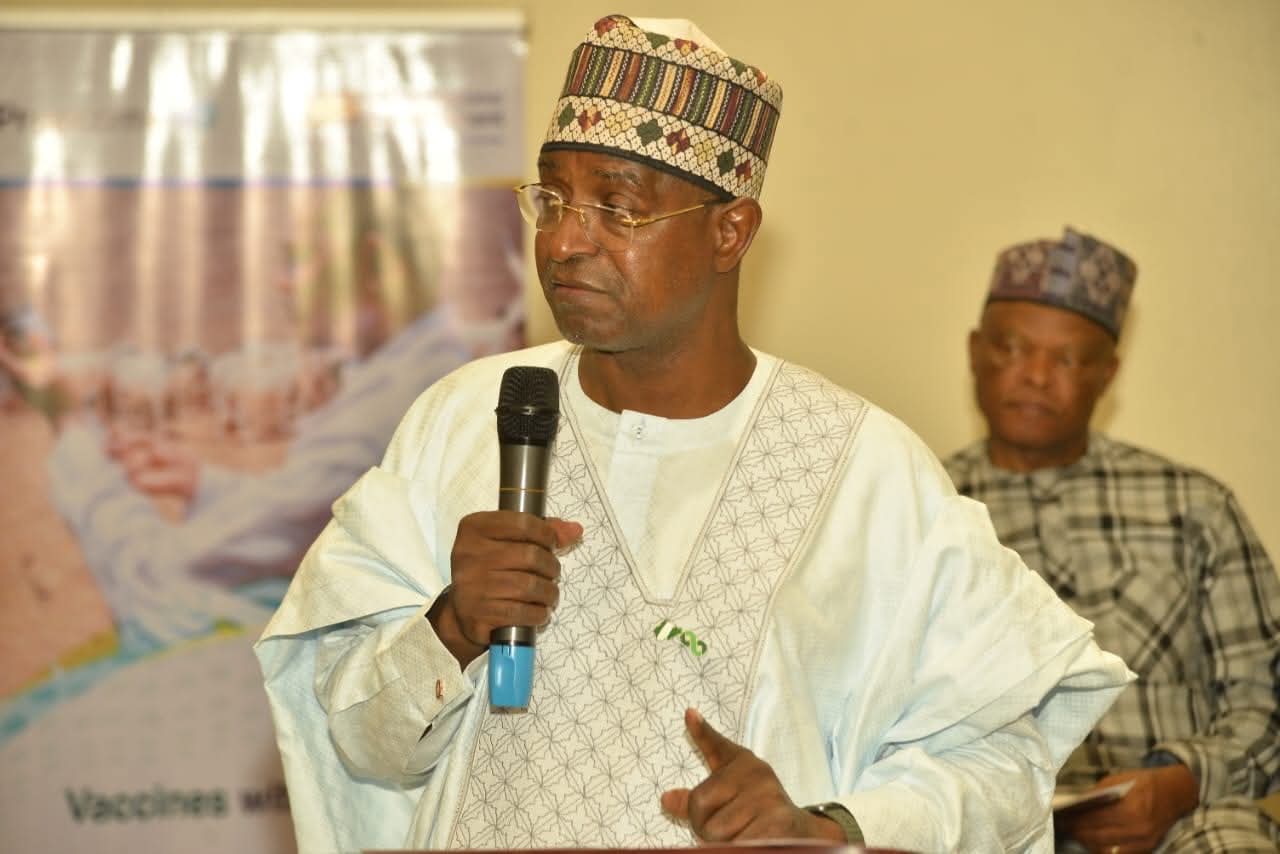
The Minister of Livestock Development, Idi Mukhtar Maiha, said the move is aimed at addressing price distortions and artificial scarcity allegedly created by intermediaries, who currently dominate the sector.
Speaking at the maiden edition of the Minister–Livestock Farmers’ Connect, the Minister expressed concern that producers often earn the least despite bearing the bulk of production costs, while middlemen reap disproportionate profits.
“In many cases, the producer does the hard work but earns the least, while the middleman takes the highest margin. This drives up prices and creates artificial scarcity in the market,” he said.
He disclosed that the government is promoting a new business model that will enable livestock producers to establish direct links with processors, abattoirs and large-scale buyers, a move expected to improve farmers’ income, enhance transparency and stabilise market prices.
As part of the reforms, the Minister announced plans to introduce a live-weight pricing system for livestock in line with global best practices.
According to him, the system will ensure animals are sold based on measurable weight, reducing exploitation and improving fairness in transactions.
Maiha also revealed that the government is working towards phasing out open grazing and transitioning to a more structured livestock production system.
He noted that this approach would boost productivity, reduce the spread of diseases and help mitigate farmer-herder conflicts.
“Animals perform better when properly managed in structured environments. This improves productivity and enhances overall sector efficiency,” he added.
The Minister further highlighted untapped investment opportunities within the livestock sector, including pasture seed production, fodder supply, dairy aggregation, leather processing and other by-products, urging young entrepreneurs to take advantage of the value chain.
He noted that Nigeria’s growing fodder market holds strong export potential, particularly to Gulf countries, while the leather industry alone could generate up to 700,000 jobs if properly harnessed.
To support investors, the government has made funding accessible through institutions such as the Bank of Agriculture, the Nigeria Incentive-Based Risk Sharing System for Agricultural Lending, and the Development Bank of Nigeria, alongside intervention programmes backed by the World Bank.
On security, Maiha acknowledged challenges posed by cattle rustling and rural insecurity, announcing plans to deploy digital livestock tagging and traceability systems.
He said the initiative would enable real-time tracking, proof of ownership and recovery of stolen animals, with pilot implementation expected in select states within six months.
Also speaking, the Permanent Secretary of the Ministry, Chinyere Ijeoma Akujobi, said the Minister–Livestock Farmers’ Connect was designed to promote dialogue, transparency and stakeholder engagement.
She noted that the platform would serve as a regular forum for farmers, veterinarians, producers and investors to contribute to policy development and drive the transformation of Nigeria’s livestock sector.
The Federal Government expressed optimism that the reforms would not only make livestock products more affordable for Nigerians but also position the sector as a key driver of economic growth and job creation.

