
Juliet Ezeh
In a decisive move to strengthen public confidence and safeguard Nigeria’s growing non-interest financial sector, the Central Bank of Nigeria (CBN) has intensified efforts to deepen governance, improve regulatory clarity, and tackle emerging risks in the industry.
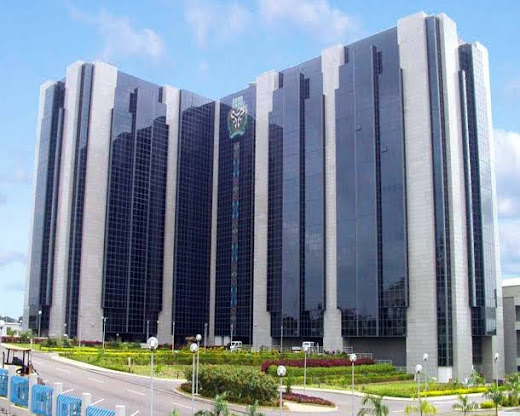
The renewed commitment was highlighted during the 2nd Annual Interactive Session between the CBN Financial Regulation Advisory Council of Experts (FRACE) and Advisory Committees of Experts (ACE) from Non-Interest Financial Institutions (NIFIs), held on May 7, 2026, at the CBN Auditorium in Abuja.
The high-level engagement brought together regulators, industry leaders, and financial experts to address pressing challenges and chart a more resilient future for the sector, which has continued to gain traction as an ethical alternative to conventional banking.
Speaking at the event, the Deputy Governor in charge of Financial System Stability, Mr. Philip Ikeazor, reaffirmed the apex bank’s determination to build a robust and credible non-interest financial system anchored on strong governance, strict compliance, and effective risk management.
According to him, the sector plays a critical role in expanding financial inclusion, supporting small businesses, and driving real sector growth, particularly through ethical and Shariah-compliant financial products.
He, however, warned that rapid expansion in the industry has introduced complex risks that must not be ignored.
“These include non-compliance risks, governance gaps, operational weaknesses, and emerging technological threats,” he said. “If not properly managed, they could erode public trust and destabilize the financial system.”
The Deputy Governor explained that the establishment of FRACE, alongside mandatory Advisory Committees of Experts in all non-interest financial institutions, was designed to create a unified and resilient governance framework across the industry.
He noted that continuous engagement between both bodies is essential to ensure that regulatory expectations are clearly understood and consistently implemented.
The session, he added, serves as a vital platform for knowledge-sharing, collaboration, and the institutionalization of best practices in Shariah governance.
Also speaking, the Deputy Chairman of FRACE, Prof. Bashir Aliyu Umar, emphasized the importance of sustained dialogue in strengthening the credibility and stability of the sector.
He commended the Central Bank for reviving the interactive forum, describing it as a crucial step toward enhancing transparency, accountability, and effective oversight within non-interest financial institutions.
In her remarks, the Director of Financial Policy and Regulation at the CBN, Dr. Rita Ijeoma Sike, highlighted the increasing complexity of the industry, driven by innovation and the rise of Islamic financial technology.
She stressed that the rapid evolution of products, institutions, and delivery channels requires continuous regulatory vigilance and expert advisory input.
“The emergence of Islamic fintech has created new opportunities for financial inclusion,” she said. “But it also demands stronger governance frameworks and proactive risk management.”
The event featured technical presentations that addressed some of the most critical issues facing the sector.
One of the presentations examined the impact of Shariah non-compliance risks on the stability and reputation of non-interest banks, while another explored how Islamic fintech can be leveraged to expand access to financial services, particularly among underserved populations.
A major highlight of the session was an interactive discussion that allowed participants to openly address real-world challenges confronting the industry.
Key issues raised included the need for capacity building, ensuring the independence of advisory committees, improving risk mitigation strategies, and fostering innovation without compromising regulatory standards.
Stakeholders agreed that stronger collaboration between regulators and institutions is essential for sustaining growth and maintaining credibility in the sector.
In his closing remarks, Prof. Abdul-Razzaq Alaro praised participants for their active contributions and urged stakeholders to translate discussions into tangible reforms.
He noted that the true impact of the session would be measured by improvements in governance, compliance, and overall performance across the industry.
The CBN’s renewed focus on non-interest finance comes at a time when the sector is gaining increased relevance in Nigeria’s financial landscape.
With more individuals and businesses seeking ethical banking options, experts say the need for strong regulatory oversight has become more urgent than ever.
FRACE continues to play a pivotal role in bridging the gap between conventional financial regulation and faith-based financial practices by ensuring consistency, credibility, and investor confidence.
Through its advisory functions, the council supports the development of clear regulatory standards and helps address complex issues unique to non-interest finance.
Similarly, Advisory Committees of Experts within financial institutions provide oversight and ensure compliance with established principles at the operational level.
The interactive session drew participation from key stakeholders, including managing directors of non-interest banks, senior officials of the Central Bank, and representatives from major financial institutions and regulatory bodies.
As Nigeria pushes for a more inclusive and diversified financial system, the CBN’s latest move signals a strong commitment to building a stable, transparent, and trustworthy non-interest finance sector capable of supporting long-term economic growth.

