
By Kehinde Ibrahim, Lagos
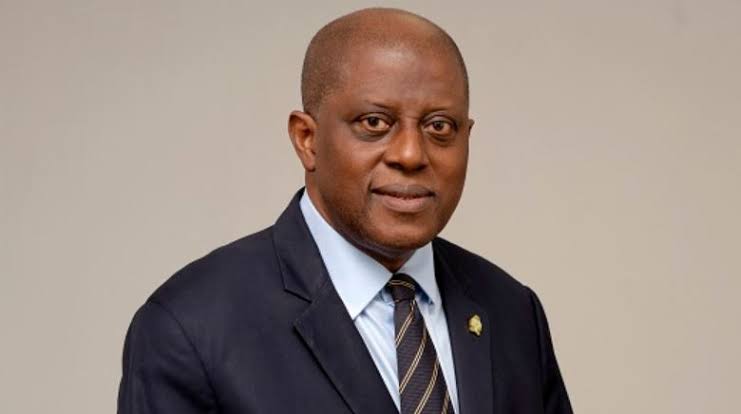
Governor of the Central Bank of Nigeria, CBN, Olayemi Cardoso has urged deposit money banks to channel N4.65 trillion raised through the recently concluded banking sector recapitalisation exercise into productive sectors of the economy, stressing that the success of the programme will be measured by its impact on economic growth rather than the size of banks’ balance sheets.
He said the fresh capital should be deployed to finance businesses, support infrastructure development, expand lending to agriculture and small and medium-sized enterprises, SMEs, create jobs and boost Nigeria’s foreign exchange earnings, noting that these sectors remain critical to the country’s long-term economic transformation.
Speaking on the outcome of the banking recapitalisation programme, which closed on March 31, 2026, Cardoso said the exercise was conceived as a strategic intervention to strengthen the financial system’s ability to support the real economy, rather than simply improve the financial position of banks.
According to him, the recapitalisation exercise successfully mobilised N4.65 trillion in fresh capital, with 33 banks meeting the minimum capital requirements applicable to their respective operating licences.
He disclosed that approximately 73 per cent of the funds were raised from domestic investors, while the remaining 27 per cent came from international markets, describing the outcome as a strong endorsement of investor confidence in Nigeria’s banking sector and the country’s ongoing financial sector reforms.
Cardoso stressed that the priority must now shift from capital raising to effective capital deployment.
He said: “Recapitalisation was never an end in itself. We did not ask the industry to raise capital merely so that balance sheets would appear more impressive.
“We did so because a bank’s capital ultimately determines the level of risk it can responsibly absorb on behalf of the real economy, the scale of transactions it can underwrite, the shocks it can withstand, and the confidence with which it can finance investment and consumption.”
The CBN governor maintained that the objectives of the recapitalisation programme would only be realised if banks significantly expand lending to sectors capable of stimulating economic activity and improving national productivity.
According to him, the central question is no longer whether the required capital has been raised, but how effectively the new capital will be utilised to support businesses and economic development.
“Given where we are today, the question is no longer whether the envisaged capital was raised. Rather, it is: what will we now do with the capital raised?
“A stronger banking system that lends timidly has missed the point.
“The capital that has been raised must find its way into the productive economy, into small and medium-sized enterprises, agriculture, infrastructure and businesses that create jobs and earn foreign exchange,” he said.
Cardoso noted that achieving these objectives would require a shared commitment from both the banking industry and the Central Bank to ensure that the new capital translates into measurable economic outcomes.
Beyond recapitalisation, the CBN governor reaffirmed the apex bank’s commitment to modernising Nigeria’s financial services landscape through the implementation of the Payment System Vision (PSV) 2028.
He explained that the framework is designed to build a more efficient, secure and inclusive digital payments ecosystem, with a target of achieving 95 per cent financial inclusion by 2028.
According to him, the strategy is anchored on six key pillars interoperability, security, financial inclusion, innovation, transparency and collaboration which are expected to deepen digital payments and improve access to financial services across the country.
Cardoso said the initiative would also accelerate the adoption of emerging technologies, including open banking, artificial intelligence, ISO 20022 messaging standards and other digital payment innovations aimed at improving operational efficiency and strengthening the financial system.
He stressed that while Nigeria has consistently demonstrated the capacity to develop ambitious policy initiatives, the country’s greatest challenge has often been ensuring sustained implementation.
“Nigeria has never lacked bold ideas. What has too often been missing is consistent implementation,” he said.
Cardoso called for stronger collaboration among banks, fintech companies, telecommunications operators, regulators and other stakeholders, stressing that collective action would be essential to building a resilient financial ecosystem capable of supporting inclusive economic growth and delivering long-term value to Nigerians.
He added that the combined success of the banking recapitalisation programme and the Payment System Vision 2028 would ultimately depend on disciplined execution, policy consistency and the willingness of all stakeholders to work towards a common objective of accelerating Nigeria’s economic development.

