
By Eunice Orike
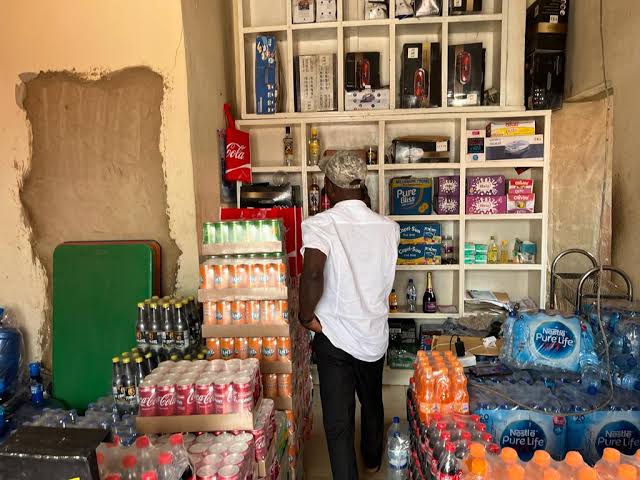
Traders in markets under the Abuja Municipal Area Council, AMAC, have protested a new levy imposed on provision shop owners, arguing that the charge was originally meant for restaurants and other food outlets.
The controversy followed the circulation of a notice from AMAC’s environmental health department directing shop owners to pay for a food/water handling permit, registration and premises inspection for 2026, in addition to any outstanding arrears.
The notice, which was distributed across several AMAC markets, including Karu Market, gave traders 14 days to make payment and present evidence at the council’s annex office to obtain receipts and compliance certificates.
AMAC warned that failure to comply would attract penalties under the national environmental health practice regulations.
The move has sparked anger among traders, who insist that provision stores should not be subjected to a levy traditionally paid by restaurants, fast-food outlets and other businesses involved in food preparation.
A demand notice seen by our reporter showed that a provision store in Karu market was asked to pay N70,000 within two weeks.
Speaking on the development, a member of the Karu Market Traders Association, who requested anonymity, accused the council of placing additional financial pressure on small business owners already struggling with multiple taxes.
The trader said provision shop owners already pay sanitation and fumigation levies to the council and questioned why they were now being asked to pay a charge associated with eateries.
“We know this tax exists, but it has always been paid by restaurants and food vendors. We don’t understand why provision shops are now being included,” the source said.
The trader also alleged that there were revenue leakages in the market system and urged the chairman of AMAC, Christopher Maikalangu, to investigate the matter.
According to the source, traders operating in unofficial locations within the market make daily payments, but many shop owners are unsure whether all the money collected reaches the council’s coffers.
“We are not against paying legitimate taxes, but taxes meant for restaurants should not be transferred to provision shops,” the trader added.
Reacting to the complaints, AMAC’s spokesman, Kingsley Madaki, defended the levy, saying the council was acting within its constitutional powers.
Madaki said area councils are legally empowered to regulate markets, shops, restaurants, bakeries and other food-related businesses, as well as provide and maintain public health services.
He maintained that the levy was not a cause for concern and advised traders’ unions to engage the council if they wished to seek concessions.
According to him, the measure is aimed at promoting public health and ensuring proper regulation of business premises within the council area.

