
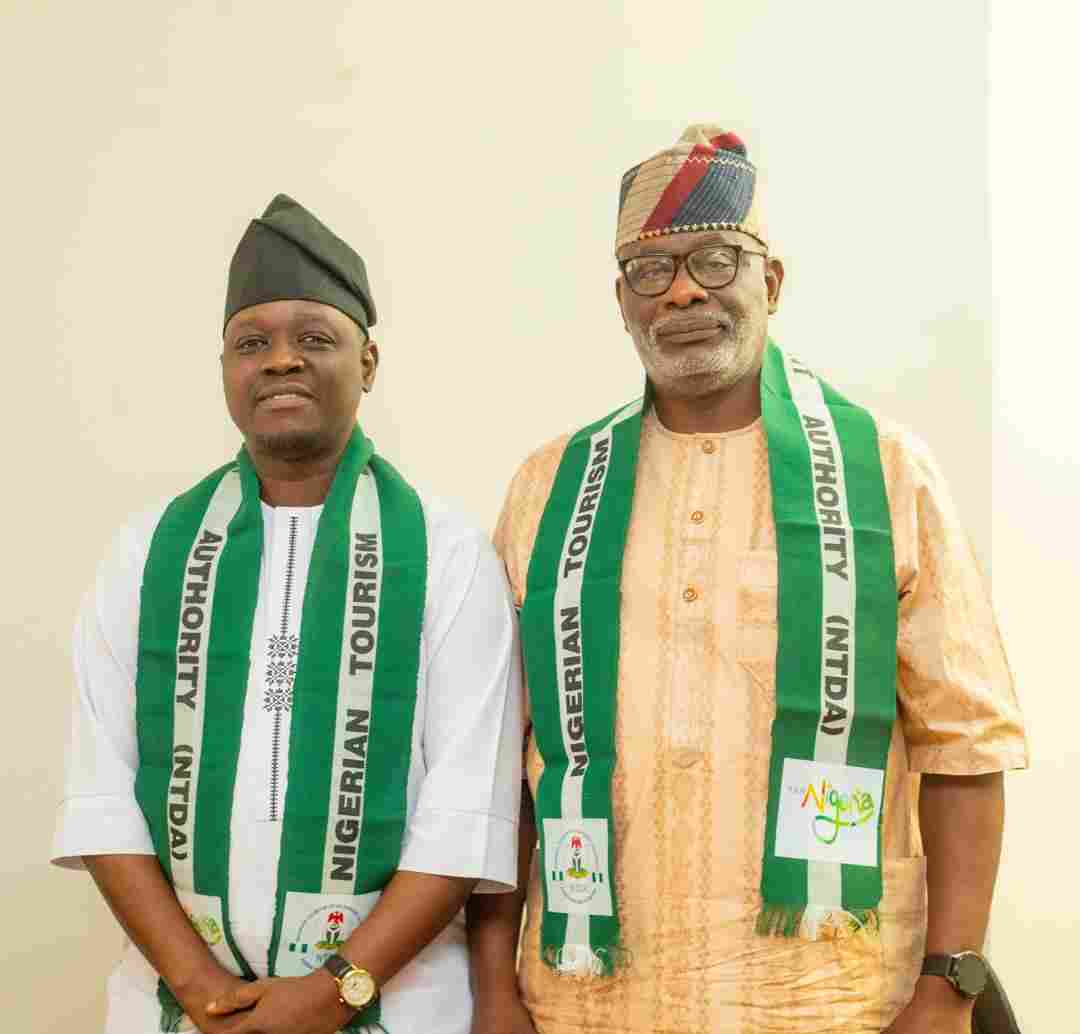
The House Committee on Delegated Legislation has pledged stronger backing for Nigeria’s tourism industry, following a familiarisation visit to the Nigerian Tourism Development Authority (NTDA).
Chairman of the Committee, Rt. Hon. Richard Olufemi Bamisile, PhD, said the engagement underscored the National Assembly’s commitment to strengthening tourism through effective legislation and strategic oversight. He explained that the Committee’s role is to review statutory instruments and regulations issued by Ministries, Departments and Agencies to ensure they align with existing laws, promote good governance, and avoid undue burdens on citizens.
Bamisile described tourism as a vital driver of economic growth, job creation, and national image-building. He stressed that the visit was not fault-finding but aimed at partnership, understanding, and long-term sector development. According to him, the Committee gained first-hand insight into NTDA’s operations, assessed existing tourism regulations, and identified challenges facing the sector, including funding, infrastructure, security, and global competitiveness. He assured the Authority of legislative support to review outdated regulations, strengthen legal frameworks, and advocate improved budgetary allocations to protect Nigeria’s tourism assets and heritage.
Responding, NTDA Director-General, Dr. Olayiwola Awakan, thanked the Committee, noting that legislation remains the backbone of the Authority’s mandate to regulate, develop, and promote tourism in Nigeria. He described tourism as a key pillar of economic diversification in line with President Bola Ahmed Tinubu’s agenda, emphasizing Public-Private Partnerships as central to sector growth.
Dr. Awakan highlighted challenges linked to the NTDA Act, including governance coordination and judicial interpretations that place tourism assets under state control. He said ongoing efforts to move tourism to the concurrent legislative list would improve collaboration and balanced development nationwide.
He also outlined recent initiatives, partnerships with federal agencies and states, and projects such as the Naija Flavour Project, while identifying funding as a major constraint.
Both parties reaffirmed their commitment to sustained collaboration to unlock Nigeria’s tourism potential, positioning the sector as a key contributor to economic growth and national pride.
By Ere-ebi Agedah Imisi, Abuja

