
By Michael Oche
The African regional organisation of the International Trade Union Confederation Africa (ITUC-Africa) has called on African governments to pursue homegrown solutions to address rising unemployment, insecurity, and economic challenges across the continent.
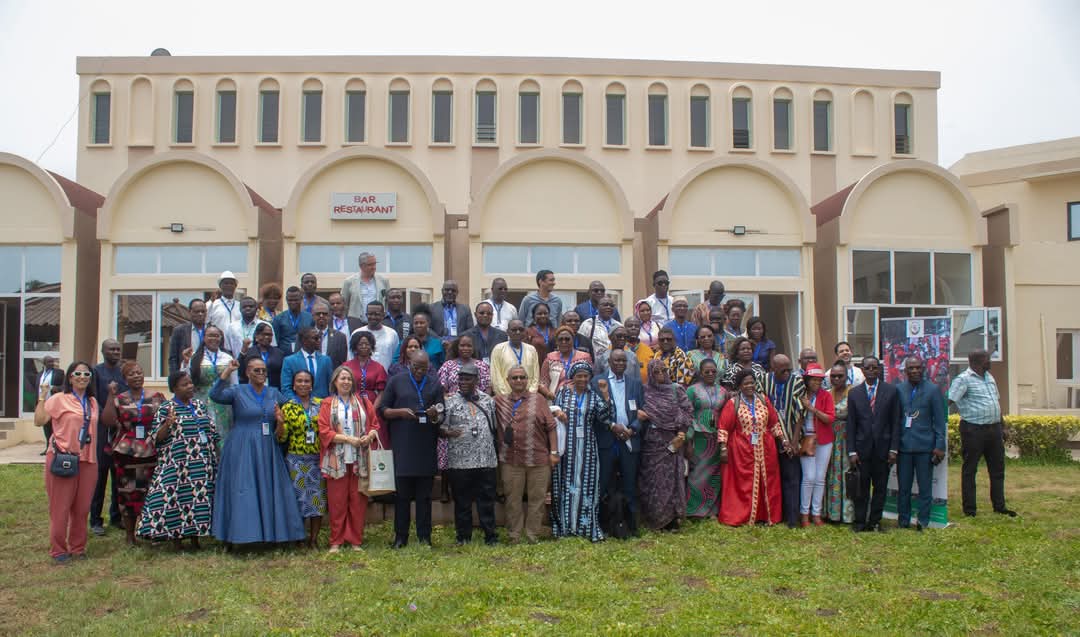
General Secretary, Akhator Joel Odigie, made the call during the opening of the ITUC-Africa 2026 New Year School in Lome.
He painted a stark picture of global instability, economic shocks, and weakening international systems undermining labour protections and livelihoods.
“This is not a moment for lamentation. The world is in a serious storm—one we cannot ignore,” Odigie said.
The ITUC-Africa General Secretary highlighted the impact of global unilateralism and unchecked state power on Africa’s workforce, stressing that African workers are bearing the brunt of escalating conflicts, humanitarian crises, and economic uncertainty, with joblessness and shrinking opportunities rising even in countries without armed conflict.
“We have secured gains for our people, but today those gains are under serious attack, and we must defend them,” he said.
Odigie also warned that climate change disproportionately affects Africa, which contributes less than 4% of global emissions but suffers floods, displacement, and loss of livelihoods.
He urged governments to reduce dependency on foreign systems and chart self-determined development paths.
He urged governments to break away from dependency and chart a self-determined path to development. “We must find African solutions to African problems,” he said, warning that the continent’s liberation remains incomplete amid rising external pressures.
On economic integration, he stressed that Africa’s trade agenda must prioritise people over profit, calling for policies that deliver real benefits to workers.
“We must strengthen African trade systems that work for our people; not against them,” he said, urging a focus on job creation, security, climate justice, and inclusive growth.
In her remarks, President of ITUC-Africa, Martha Tinny Molema, said Africa’s current trade structure continues to favour corporations over workers, warning that reliance on raw material exports cannot deliver sustainable development.
“Dependence on raw material exports—who does it benefit? Workers, or only large corporations?” she asked.
She cautioned that trade liberalisation without safeguards could worsen inequality and weaken labour conditions. “Without strong industrial policy and labour protections, open markets can lead to job losses and downward pressure on wages,” she said.
Molema insisted that the African Continental Free Trade Area must be implemented in a way that prioritises decent work and inclusive development.
“Success must not be measured only by trade volumes, but by the number of decent jobs created and improvements in workers’ lives,” she said.

