
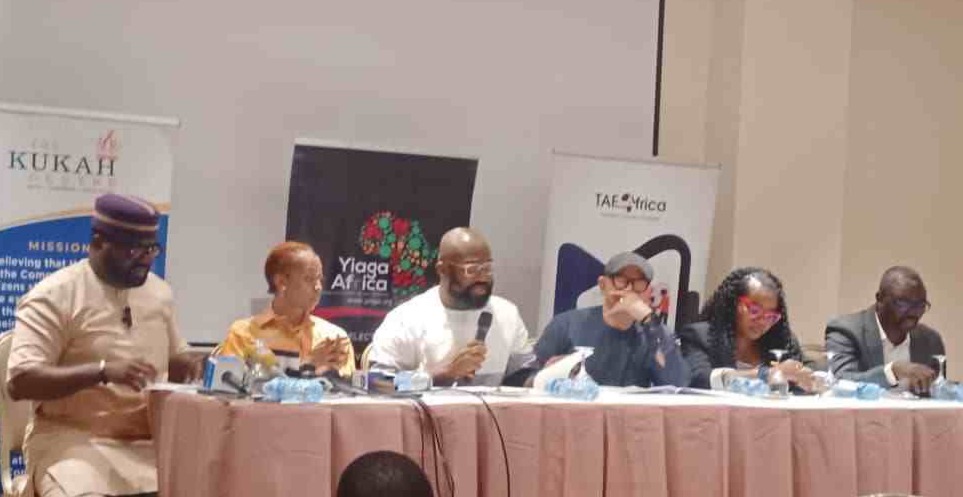
Civil Society Organizations (CSOs) have criticised the newly signed 2026 Electoral Act, warning that the reforms lack credibility to address critical gaps and could compromise the integrity of the 2027 general elections.
President Bola Ahmed Tinubu signed the bill into law on February 18, 2026, less than 24 hours after its passage by the National Assembly. The speed and opacity of the process sparked backlash from observers, who described it as a “missed opportunity for transformative electoral reform.”
Speaking on behalf of the groups, human rights activist Jake Epelle said the Presidency’s decision to grant assent without addressing substantive legal, technical, and democratic concerns raised by civil society, professional bodies, and even some lawmakers signals a troubling prioritisation of political expediency over electoral integrity. Among the organisations raising alarm are the Centre for Media and Society (CEMESO), The Kukah Centre, International Press Centre (IPC), ElectHer, Nigerian Women Trust Fund, TAF Africa, and Yiaga Africa.
The CSOs highlighted several flaws in the Act, including the removal of mandatory electronic result transmission, which they described as retrogressive and undermining transparency. They also criticised compressed timelines for electoral activities, warning that shorter deadlines for publishing candidate lists could strain logistics and affect ballot production. Another concern is Section 65, which restricts INEC’s power to review election results only to reports filed by its officials, excluding parties, candidates, and observers. The groups argued that this provision undermines the spirit of electoral review and could shield manipulated results.
They further condemned the imposition of a ₦50 million administrative fee for new political party registration, describing it as a financial barrier designed to exclude grassroots and youth-led movements. On party primaries, they noted that removing the option of indirect primaries reduces flexibility and increases vulnerability to vote-buying or godfather manipulation.
Pressing home their demands, the CSOs urged INEC to urgently publish a revised timetable for the 2027 elections in line with the new 300-day notice requirement. They also called for clear regulations on INEC Result Viewing (IReV), disability-inclusive voter registration procedures, and a national simulation of electronic transmission across all polling units with independent observers present. Political parties, they insisted, must commit publicly to electronic transmission of results and transparency in primaries.
The CSOs also urged the National Assembly to publish the final version of the Electoral Act 2026 as signed into law to ensure public awareness, legal clarity, and stakeholder engagement. They warned that failure to address these flaws could deepen political tensions, erode public trust, and weaken Nigeria’s democratic institutions.
By Ngozi Nwankwo, Abuja

