
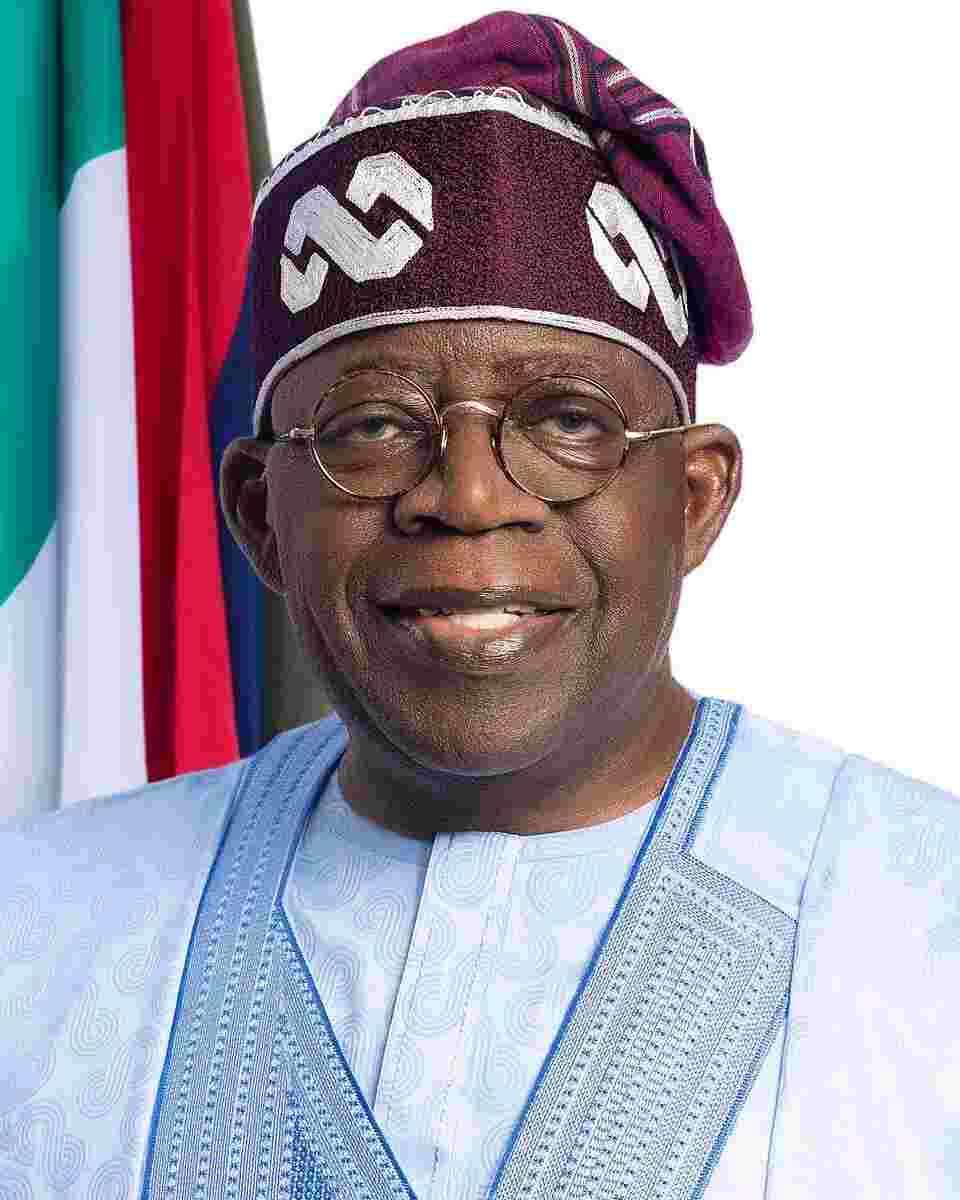
The National Coordinator of the Grassroots Mobilisation Initiative (GMI), Sama’ila Musa, has defended President Bola Ahmed Tinubu’s economic reforms, describing the administration as decisive and focused on tackling Nigeria’s longstanding structural challenges.
In an interview, Musa said GMI aligned with the Tinubu administration due to its commitment to good governance and effective grassroots leadership. He particularly praised the removal of fuel subsidy shortly after Tinubu assumed office, noting that Nigeria had operated for years on what he called a “borrowed economic life” sustained by unsustainable subsidy payments. Musa recalled that previous administrations, including that of former President Muhammadu Buhari, considered subsidy removal but abandoned the plan due to political concerns. “The decisive action taken from day one showed a leader willing to confront Nigeria’s structural problems head-on,” he said.
Assessing the administration’s performance, Musa highlighted progress in economic management and revenue diversification. He cited reports showing Nigeria’s non-oil revenue surpassing ₦3 trillion in a single month last year, describing it as a significant milestone for an economy traditionally dependent on oil. He also pointed to foreign reserves estimated between $40 billion and $45 billion as evidence of improving stability. While acknowledging that many Nigerians expected immediate relief, Musa stressed that sustainable reforms take time and must prioritize long-term stability over short-term gains. “In my view, the country is gradually being placed on the path of growth and development,” he added.
Responding to claims that subsidy savings were being misused for political inducements, Musa dismissed the allegations as unsubstantiated. He expressed confidence that grassroots support for Tinubu would continue to grow ahead of the 2027 elections, noting that mobilisation efforts were already underway through community associations, local radio, and nationwide networks. Although he admitted that reforms had created early economic hardship, Musa argued that sacrifices were necessary for long-term recovery, citing similar adjustment periods in developed countries. He urged authorities to address market practices and price adjustments affecting citizens. “Our responsibility is to sensitise Nigerians on the administration’s achievements and why continuity may be necessary to consolidate ongoing reforms,” he said.
Musa emphasised that governance requires citizens’ accountability and productivity, not just leadership at the Presidential Villa. He acknowledged widespread public distrust of politics, particularly among young Nigerians, but warned that disengagement would not solve national problems. He cited low voter turnout in recent elections despite vibrant online debates. “Our goal is to reawaken civic responsibility and encourage Nigerians to actively shape the country’s democratic future,” he said, adding that grassroots governance begins at the local level.
On opposition alliances, Musa expressed doubts about their cohesion, arguing that successful coalitions require trust and shared objectives. He maintained that Tinubu’s extensive grassroots networks give him an advantage, stressing that electoral victories depend more on physical mobilisation than social media popularity. Offering advice ahead of 2027, Musa urged national leaders to strengthen civic responsibility and institutions. He maintained that democracy thrives when citizens participate actively and institutions function effectively, stressing that sustainable progress requires continuity of reforms alongside collective commitment from both leadership and citizens.
By Palma Ileye, Abuja

