
Juliet Ezeh
The Independent National Electoral Commission (INEC) on Tuesday held a consultative meeting with leaders of political parties in Abuja to deliberate on the review of its regulations and guidelines in preparation for the 2027 general elections.
The meeting, which took place at INEC headquarters, focused on aligning existing regulations with the newly enacted Electoral Act 2026 and strengthening the framework guiding the conduct of political parties and elections in Nigeria.
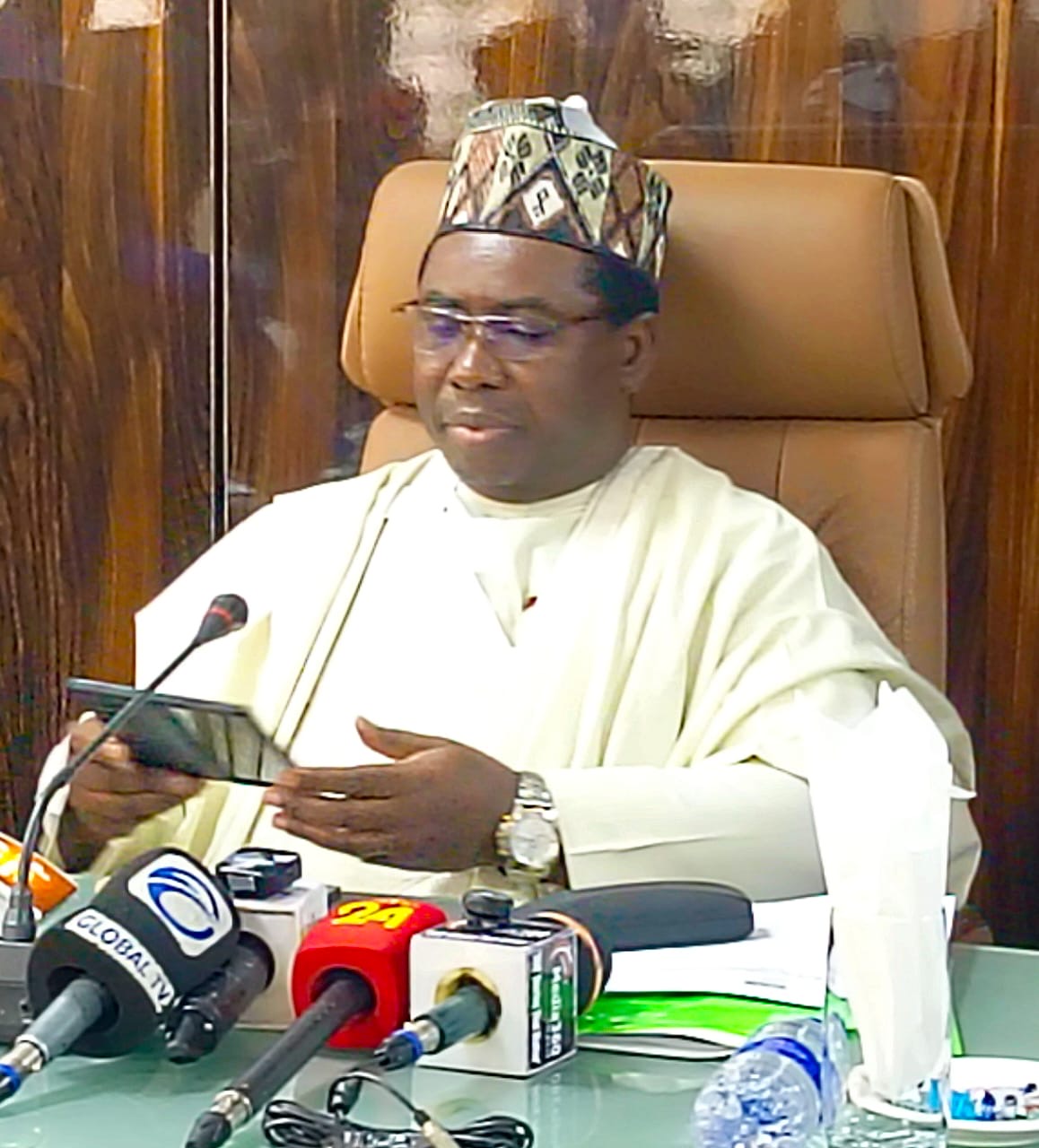
Speaking at the session, INEC Chairman, Prof. Joash Amupitan, SAN, stated that the Commission had carried out a comprehensive review of its 2022 regulations to ensure compliance with the current legal framework. He emphasized that credible elections are rooted in transparent party processes, particularly at the stage of candidate nomination and party primaries.
He explained that the revised guidelines address key areas including party registration and mergers, internal party operations, conduct of primaries, campaign activities, party financing, and conditions for deregistration. According to him, the reforms are intended to promote accountability, transparency, and inclusiveness while ensuring that political parties operate within clearly defined legal standards.
Prof. Amupitan also noted that the Commission is working within a tight electoral timetable, with the 2027 general elections scheduled for January and February, requiring careful coordination and strict adherence to timelines.
In his remarks, the National Chairman of the Inter-Party Advisory Council (IPAC), Dr. Yusuf Mamman Dantalle, expressed concerns over certain provisions of the Electoral Act 2026, describing them as restrictive and not fully reflective of the expectations of Nigerians who participated in the amendment process.
He called on the National Assembly to urgently review the Act, particularly provisions relating to mandatory direct primaries, which he argued should allow political parties the freedom to adopt indirect primaries as an alternative. He also raised concerns about the requirement for political parties to submit membership registers alongside National Identification Numbers within a limited timeframe, warning that it could exclude many eligible citizens.
Dantalle further stressed the need for mandatory electronic transmission of results through the IReV portal, stronger measures to curb vote buying, and the establishment of an Electoral Offences Commission to enhance accountability and protect the integrity of elections.
Both INEC and IPAC reaffirmed their commitment to continued engagement and dialogue in order to address concerns and strengthen Nigeria’s electoral process. The meeting highlighted the importance of collaboration among stakeholders in building a transparent, credible, and inclusive electoral system ahead of the 2027 general elections.

