
Juliet Ezeh
The escalating conflict between the United States and Iran is rapidly evolving from a geopolitical flashpoint into a full-blown economic threat, as surging oil prices begin to signal a new wave of global inflation.
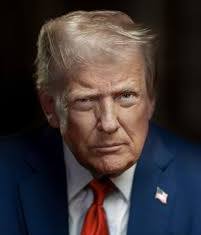
Crude prices jumped sharply after US President Donald Trump doubled down on military action, offering no concrete plan to reopen the Strait of Hormuz—a critical artery through which a significant share of the world’s oil flows.
With Brent crude pushing above $108 per barrel and US benchmark prices crossing $106, economists warn that the ripple effects could be severe and immediate, especially for energy-importing nations already battling fragile economic conditions.
At the heart of the concern is inflation. Higher oil prices typically translate into increased costs for fuel, transportation, electricity, and food. For many countries, this could reverse recent gains made in stabilising consumer prices, forcing central banks into difficult policy decisions.
The situation is particularly sensitive because markets had already begun pricing in a quick resolution to the conflict. Trump’s earlier comments suggesting the war could end “very soon” had helped cool prices temporarily. However, his latest remarks—focused on escalation rather than resolution—have reignited uncertainty.
This shift has exposed how vulnerable global markets are to geopolitical shocks. Investors are now recalibrating expectations, with oil becoming the central driver of economic risk.
Beyond inflation, supply chain disruption is emerging as another major concern. The continued closure of the Strait of Hormuz is not only restricting oil shipments but also affecting broader maritime trade, raising the risk of delays and higher shipping costs worldwide.
Financial markets are already reflecting this anxiety. Equities across Asia and Europe have declined, as investors move away from riskier assets amid fears of prolonged instability. The volatility highlights a growing disconnect between political messaging and market expectations.
Meanwhile, global institutions are sounding the alarm. Economic policymakers warn that sustained high oil prices could weaken growth, increase unemployment pressures, and strain government budgets, particularly in developing economies.
Diplomatic efforts are underway, with international leaders pushing for coordinated action to restore navigation in the region. However, without a clear commitment from key players to de-escalate tensions, these efforts may struggle to deliver immediate results.
The broader implication is clear: this is no longer just a regional conflict—it is a global economic event. If the crisis persists, it could trigger a chain reaction affecting inflation, trade, and financial stability across continents.
For now, markets remain on edge, with oil prices serving as the clearest indicator of the uncertainty ahead.

