
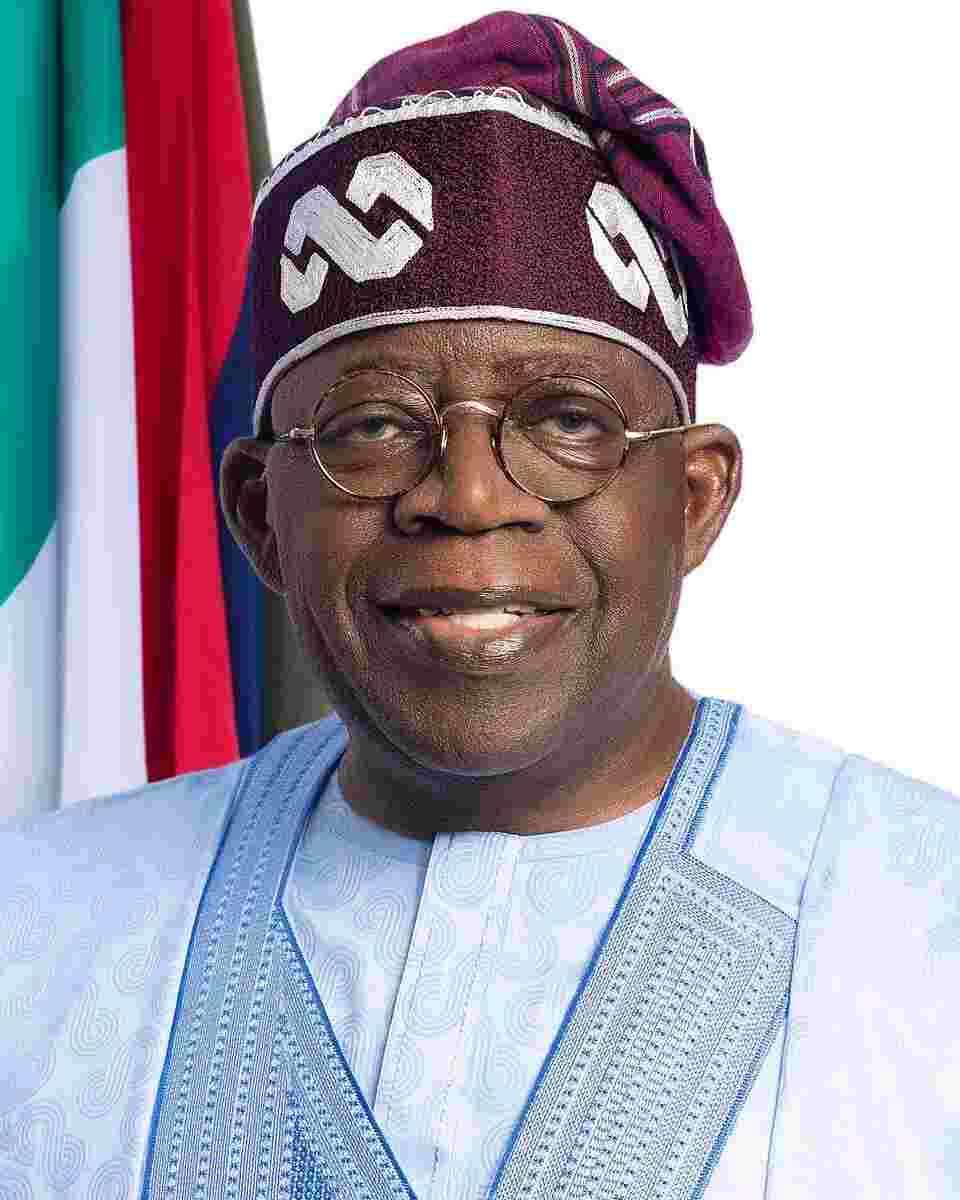
President Bola Tinubu has approved the construction and reconstruction of additional federal road projects across Nigeria, in a move aimed at strengthening transportation infrastructure and boosting economic connectivity.
The approvals include the immediate reconstruction of three major federal highways in Niger State: the Mokwa–Bida Road spanning 120 kilometres, the Mokwa–Makeri Road covering 63 kilometres, and the Bida–Labata Road measuring 123.5 kilometres. Together, the projects cover a combined length of 306.5 kilometres and will be constructed using reinforced concrete pavement designed to ensure durability, reduced maintenance costs, and long-term value.
In addition, the president approved the extension of the Bodo–Bonny Road in Rivers State to connect directly with the East–West Road. The development is expected to significantly improve access to coastal communities and industrial hubs in the Niger Delta. The extension will be built as a dual carriageway using concrete pavement technology and fitted with solar-powered street lighting to enhance safety and sustainability. The project will be executed through a competitive bidding process in line with procurement regulations.
Minister of Works, Engr. David Umahi, commended President Tinubu for what he described as strategic infrastructure approvals targeted at critical national economic corridors. He noted that the projects would improve mobility, facilitate trade, and stimulate socio-economic development in the affected regions.
Umahi urged Nigerians to recognise the administration’s ongoing commitment to infrastructure development across the country’s six geopolitical zones, stressing that the government remains focused on delivering durable roads and bridges capable of supporting economic growth. He congratulated the governments and residents of Niger and Rivers states, as well as Nigerians who will benefit from the projects, describing the approvals as landmark interventions in the nation’s road network.
He further called on citizens to continue supporting the administration’s development agenda, expressing optimism that sustained investment in infrastructure would translate into improved livelihoods and stronger national integration.
By Ere-ebi Agedah Imisi, Abuja

