
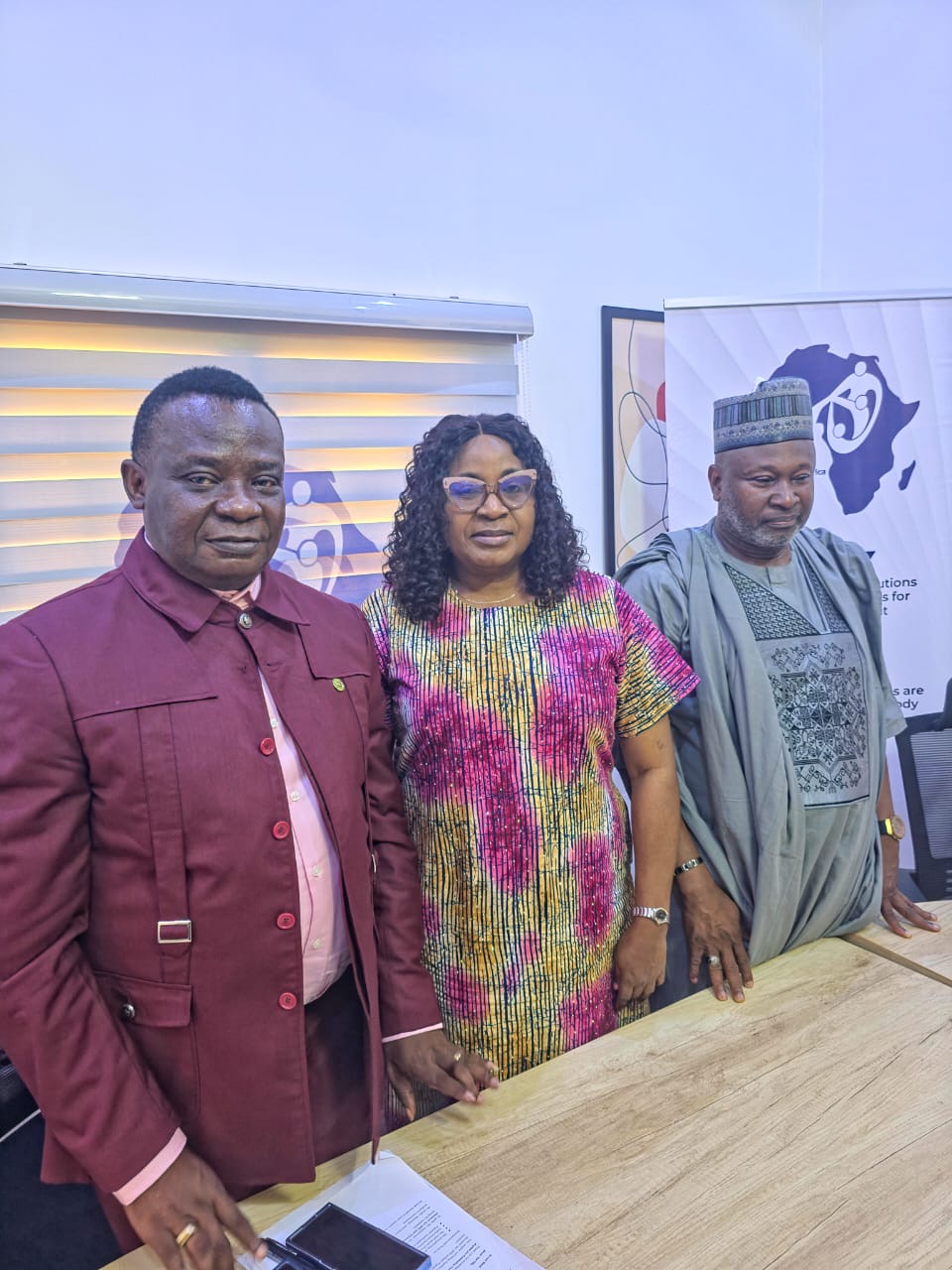
By Michael Oche
Stakeholders in Nigeria’s electoral process have called for stricter enforcement of penalties and sustained voter sensitisation to tackle the growing menace of vote buying ahead of the 2027 general elections.
The call was made on Thursday in Abuja during a roundtable meeting themed “The Electoral Act 2026: A New Regime for Combating Vote Buying and Financial Offences,” organised by the Peering Advocacy and Advancement Centre in Africa (PAACA) in partnership with Legit360.
The meeting, part of PAACA’s monthly sectoral reflection series, brought together representatives of political parties, the Independent National Electoral Commission (INEC), media organisations, and civil society groups.
Speaking at the event, PAACA Executive Director, Ezenwa Nwagwu, warned that vote buying has increasingly become entrenched in Nigeria’s electoral system, posing a serious threat to democratic accountability.
According to him, “Vote buying is fast becoming a permanent feature of our elections. If elections become purely transactional, it diminishes citizens and weakens their ability to demand accountability from elected leaders.”
He noted that poor awareness of electoral laws among citizens continues to fuel the practice, stressing the need for sustained civic education.
“Many Nigerians do not pay attention to the laws governing the electoral process. That is why we initiated this monthly engagement—to break down key provisions of the Electoral Act. In our first session, we examined the Electoral Act 2026, highlighting improvements from the 2022 Act as well as existing gaps,” he said.
Nwagwu cited Section 127(b) of the Electoral Act 2026, which prescribes stiffer sanctions for vote buying, stating that any voter who accepts money or other inducement to vote or refrain from voting now faces a fine of up to N500,000, a 12-month term of imprisonment, or both.
He noted that this represents a fivefold increase from the previous provision, which imposed a N100,000 fine or the same term of imprisonment. He said this underscores intention to create a stronger deterrent against the monetisation of votes and to reinforce the integrity of the electoral process.
Nwagwu explained that the current focus on vote buying and campaign finance is aimed at exposing how illicit electoral spending distorts voter behaviour and undermines democratic integrity.
“What is clear is the urgent need for increased civic education. Citizens must understand that selling their votes is not only harmful to democracy but also attracts severe penalties, including imprisonment and fines,” he added.
He also note that the initiative is designed to generate practical solutions for strengthening oversight on electoral spending and closing loopholes that enable financial inducement during elections.
“The intention is to improve the system, strengthen transparency, and ensure effective monitoring of electoral expenses that can compromise the integrity of our elections,” he said.
Also speaking, INEC Director of Voter Education and Publicity, Victoria Eta-Messi underscored the importance of voter independence, noting that electoral choices must be made free from financial inducement.
She called for stronger collaboration among stakeholders to deepen voter education, particularly in rural communities where vote buying is often more prevalent.
“We must continue to educate our people. Voter education remains critical to ensuring that citizens make informed choices without undue influence,” she said.
National Chairman of the Inter-Party Advisory Council (IPAC) Dr Yusuf Dantalle said strengthening of political parties is key to the growth of Nigeria’s democracy.

