
By Michael Oche
The Centre for Transparency Advocacy (CTA) has said that despite 27 years of uninterrupted democratic rule in Nigeria, democracy is yet to fully meet the expectations of many citizens, particularly in the areas of service delivery, security, justice, inclusion, and economic wellbeing.
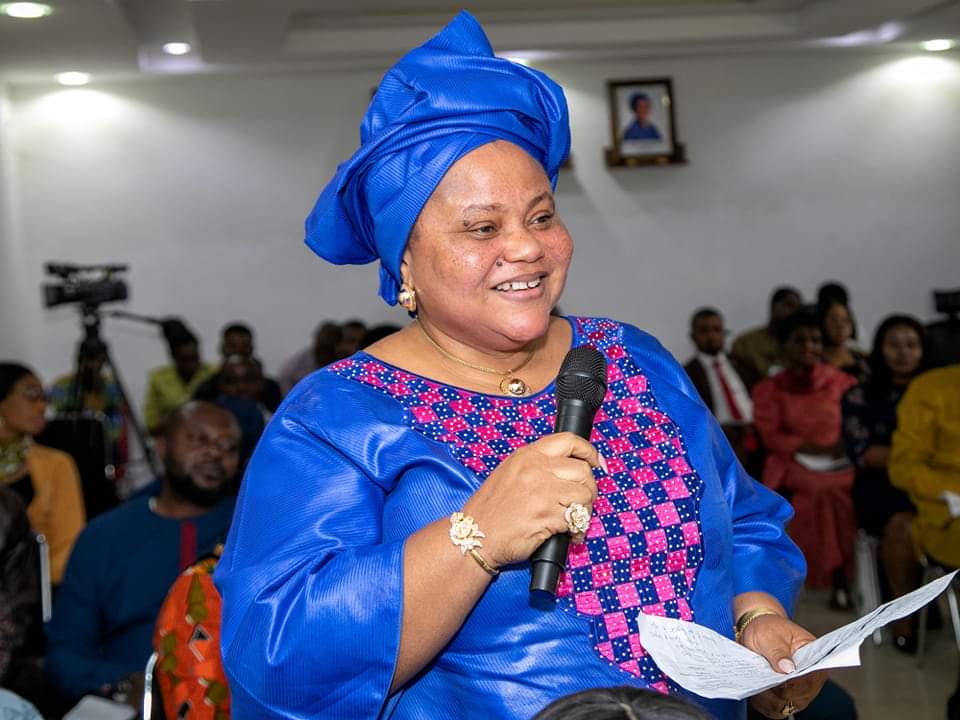
In a statement issued on Friday in Abuja to commemorate 27 years of Nigeria’s return to civil rule, the Executive Director of the CTA, Faith Nwadishi, said while the country had made notable democratic gains since May 29, 1999, many Nigerians still struggle with poverty, insecurity, unemployment, poor infrastructure, and rising cost of living.
The organisation noted that Nigeria’s democratic journey had witnessed important milestones, including peaceful transfer of power, stronger electoral institutions, expanded civic space, increased citizen participation, and improved legal and institutional frameworks for accountability.
However, CTA stressed that democracy should not only be measured by elections and political transitions but by how well it improves the lives of ordinary citizens.
“A democracy that does not improve the living conditions of citizens risks losing public trust,” the statement said.
According to the organisation, many Nigerians still experience democracy through poor public services, unreliable electricity supply, weak healthcare systems, inadequate access to quality education, and economic hardship.
CTA therefore urged governments at all levels to place service delivery at the centre of democratic accountability.
On access to information, the group welcomed the progress made through the Freedom of Information (FOI) Act 2011 and the recent Supreme Court affirmation that the law applies across all levels of government, including states and local governments.
It described the judgment as a major victory for transparency, accountability, civil society, and the media, while lamenting that many public institutions still frustrate access to public information by ignoring or delaying responses to FOI requests.
The organisation called on public institutions to proactively disclose information and comply fully with the provisions of the FOI Act.
Speaking on access to justice, CTA said legal reforms and human rights advocacy had improved over the years, but noted that justice remained slow, expensive, and inaccessible to many ordinary Nigerians, especially women, youths, persons with disabilities, and rural communities.
“Justice delayed weakens democracy,” the organisation stated, calling for stronger investment in legal aid, faster court processes, protection for whistleblowers, and accountability for abuses by public officials and security agencies.
CTA also expressed concern over what it described as deep inequality within Nigeria’s democratic process, noting that women, youths, and persons with disabilities remain underrepresented in governance and political participation.
It called for deliberate reforms to expand women’s political representation, strengthen inclusive budgeting, and protect vulnerable groups from exclusion and violence.
On electoral reforms, the group acknowledged improvements in voter registration, election technology, and citizen participation since 1999, but said elections in Nigeria were still undermined by vote buying, electoral violence, abuse of incumbency, misinformation, weak internal party democracy, and poor prosecution of electoral offenders.
CTA urged stronger independence for the Independent National Electoral Commission, transparent party primaries, credible results management, and stronger protection for voters, journalists, election observers, and officials.
The organisation further raised concerns over insecurity across the country, describing it as one of the greatest threats to Nigeria’s democracy.
It noted that insurgency, banditry, kidnapping, communal violence, and attacks on schools and communities continue to expose citizens to fear and uncertainty.
“Democracy cannot thrive where citizens live in fear,” CTA said, urging government to strengthen intelligence-led security operations, address the root causes of violence, and ensure that security responses respect human rights.
The group also highlighted concerns in the extractive sector, noting that despite Nigeria generating over $831 billion from oil and gas revenues between 1999 and 2023 according to figures from the Nigeria Extractive Industries Transparency Initiative, many oil-producing and mining communities still face poverty, environmental degradation, poor service delivery, and insecurity.
CTA called for stronger transparency in revenue management, environmental accountability, beneficial ownership disclosure, and greater participation of host communities in decisions affecting them.
As part of its recommendations, the organisation urged government institutions, political parties, electoral bodies, civil society groups, and citizens to work collectively towards building a democracy anchored on justice, transparency, inclusion, accountability, and security.
“Nigeria’s democracy has survived 27 years, but survival is not enough. The next phase must be about delivery, justice, inclusion, transparency, and security,” the statement added.

