
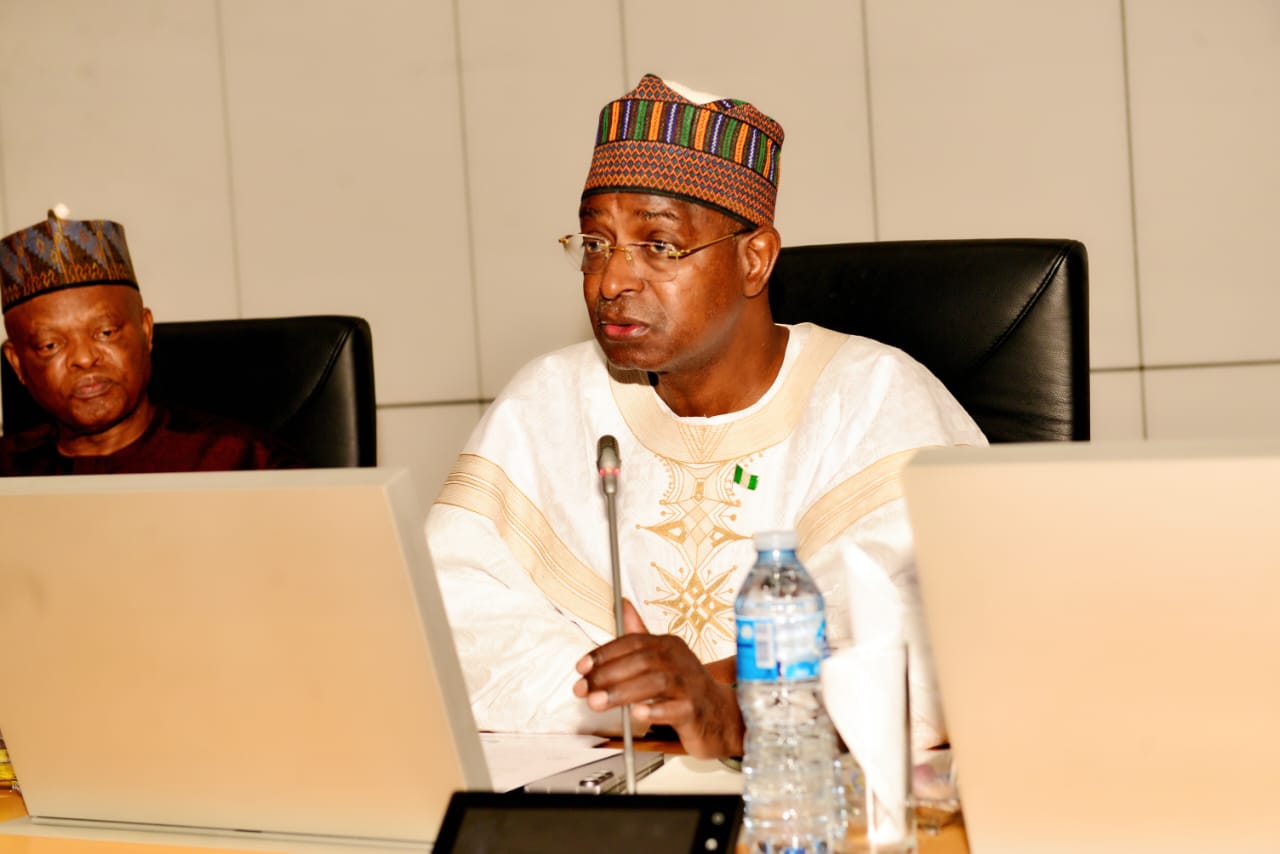
The Federal Government has reaffirmed its commitment to repositioning the National Veterinary Research Institute (NVRI) for enhanced vaccine production, disease control, and private-sector-driven growth as part of broader livestock sector reforms.
Minister of Livestock Development, Idi Mukhtar Maiha, disclosed this during a three-day NVRI Top Management Retreat in Abuja, noting that Nigeria currently spends $1.5 billion annually on vaccine importation. He stressed the urgent need to strengthen domestic production capacity and open the NVRI to private-sector investment for sustainable growth and commercial viability.
Maiha emphasized that effective animal disease management is critical to unlocking Nigeria’s livestock potential, lamenting that persistent trans-boundary and endemic diseases continue to limit access to lucrative regional and international red meat markets. He charged the institute to align its operations with national priorities by reducing the country’s vaccine import bill by at least $500 million by 2030.
According to a statement signed by Oghenevwe Uchechukwu, Head of Press and Public Relations at the Ministry, Acting Executive Director of NVRI, Dr. Nicholas Nwankpa, highlighted the institute’s mandate areas, including vaccine production, research on emerging and re-emerging animal diseases, national diagnostic services, and extension support to livestock farmers.
Chief Veterinary Officer of Nigeria, Dr. Samuel Anzaku, described NVRI as one of the nation’s most strategic animal health institutions, playing a pivotal role in disease diagnosis, surveillance, vaccine production, and advisory services for Nigeria and neighboring countries.
The retreat, held from March 3 to March 5, 2026, was themed “Strengthening Our Mandate through Enhanced Stewardship, Transformational Leadership and Strategic Institutional Capacity Training.”
By Godwin Ogar, Abuja

