
By Eunice Nnachi, Yenagoa
As political activities gradually gather momentum ahead of future electoral contests in Bayelsa State, conversations around representation, performance and political continuity are beginning to shape public discourse. At the centre of one of such conversations is Hon. Fredrick Agbedi, the lawmaker representing Sagbama/Ekeremor Federal Constituency, who has openly declared his interest in seeking a seat in the Senate.
But beyond the ambition itself lies a broader political argument—whether legislative performance and constituency engagement should serve as the strongest currency in Nigeria’s electoral politics.
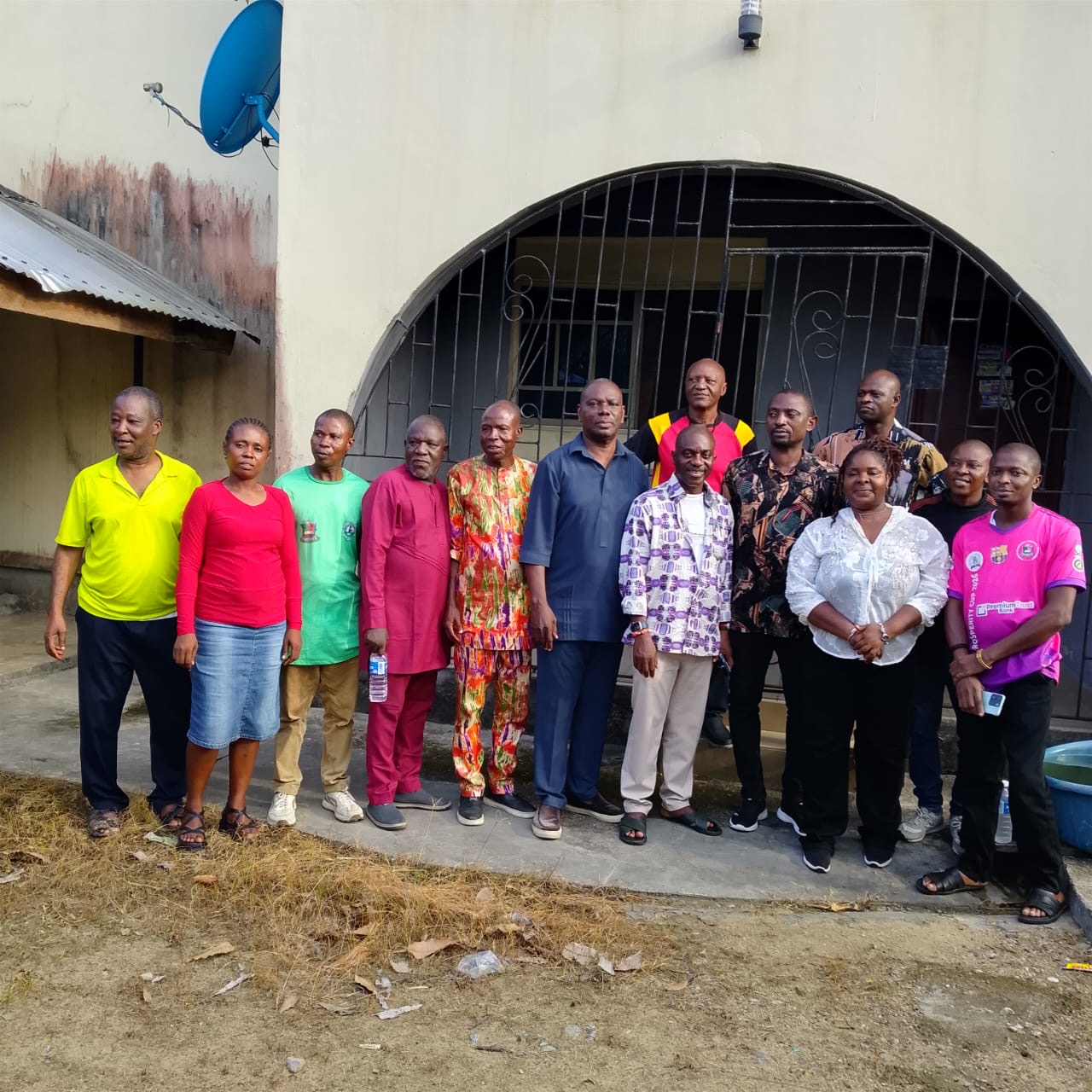
During an interaction with members of the Federated Correspondents Chapel of the Nigeria Union of Journalists (NUJ), Bayelsa State Council, Agbedi presented his Senate aspiration not merely as a personal political pursuit but as a continuation of what he described as years of grassroots service and development-focused representation.
For the lawmaker, the journey to the Senate is tied to a conviction that experience and legislative exposure can translate into wider opportunities for constituents.
“In politics, nobody makes himself; it is the people who make you,” Agbedi told journalists, stressing that political authority ultimately rests with voters and not individuals or power blocs.
That statement captures the central theme of his political message—representation must remain accountable to the electorate.
Agbedi argues that his stewardship in the House of Representatives offers measurable evidence of his commitment to public service. According to him, projects executed under his watch span more than two-thirds of communities within Sagbama/Ekeremor Federal Constituency.
These interventions, he said, include school construction and renovation, solar-powered street lighting for off-grid communities, healthcare interventions and empowerment programmes targeted at women and youths.
“I have worked across over two-thirds of the communities in my federal constituency,” he said. “We have built schools, supported cooperatives, empowered women and youths, and provided solar lighting systems where there is no national grid.”
His emphasis on infrastructure reflects a familiar challenge across riverine communities in Bayelsa where access to roads, electricity and healthcare services often remains limited.
Agbedi also pointed to ongoing projects, including renovation of health centres and market development initiatives, as proof that his constituency engagement goes beyond legislative debates in Abuja.
Perhaps one of the most emotional moments in his interaction with journalists was his account of a medical outreach that led to life-changing intervention for a child with an eye condition. According to him, the child was later taken to Lagos for treatment and, upon recovery, awarded a scholarship covering education from kindergarten to university.
For Agbedi, such interventions represent what governance should mean—direct impact on lives.
His supporters may view these projects as evidence of responsive leadership. Critics, however, could argue that constituency projects alone do not settle broader questions about legislative influence, policy impact and political accountability.
Still, Agbedi appears determined to frame his Senate ambition around continuity rather than political experimentation.
“I am asking for the support of my people because I believe I can do more at the Senate level,” he said. “What we have started can be expanded to bring greater benefits to our people.”
As Bayelsa’s political atmosphere gradually heats up, Agbedi’s message underscores a familiar democratic test: whether voters will reward performance, political loyalty and constituency visibility, or seek alternative voices.
For now, the Sagbama/Ekeremor lawmaker has made his position clear—his political future, he says, rests in the hands of the people whose mandate he seeks once again.

