
By Blessing Bature
Borno State has recorded more than 3,000 suspected cholera infections and 37 deaths following a major outbreak that began in early May, health authorities have confirmed.
According to data from the Nigeria Centre for Disease Control (NCDC), the first case was detected in Maiduguri, the state capital, before the disease spread rapidly to surrounding communities.
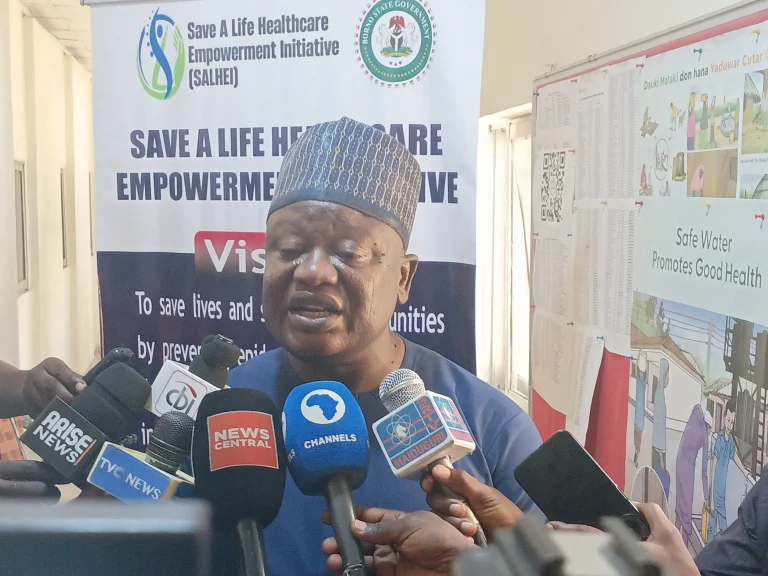
The Executive Secretary of the Borno State Contributory Healthcare Management Agency (BOSCHMA), Dr. Saleh Abba Kaza, disclosed that 37 people have died from the outbreak, while over 3,000 suspected cases have been reported. The figure represents an increase from the 27 fatalities earlier recorded by the NCDC between May 1 and May 25.
In a public health advisory issued over the weekend, Kaza described the situation as a serious health emergency affecting 36 wards across seven local government areas.
“We are confronting a major health crisis as cholera continues to spread across parts of the state, resulting in thousands of infections and dozens of deaths within a short period,” he said.
He noted that about 100 new cases were recorded over the last weekend alone, with the Maiduguri Metropolitan Council (MMC) accounting for more than 2,000 infections.
The outbreak has affected at least 13 communities, including Mafa, Konduga, Monguno, Ngala and Magumeri.
Kaza said the state government and health agencies have intensified response efforts by evacuating patients for treatment and implementing measures aimed at containing further spread of the disease.
He urged residents to observe proper Water, Sanitation and Hygiene (WASH) practices, warning that contamination has been detected in some sources of pipe-borne water and dams. He stressed the importance of water chlorination and safe drinking water.
The BOSCHMA boss also called on communities to stop open defecation, describing the practice as a major contributor to the transmission of cholera.
He further advised residents to maintain regular handwashing habits and ensure proper waste disposal.
Kaza commended development partners, including the World Health Organization and the United Nations Children’s Fund, for supporting response efforts in the affected areas.

