
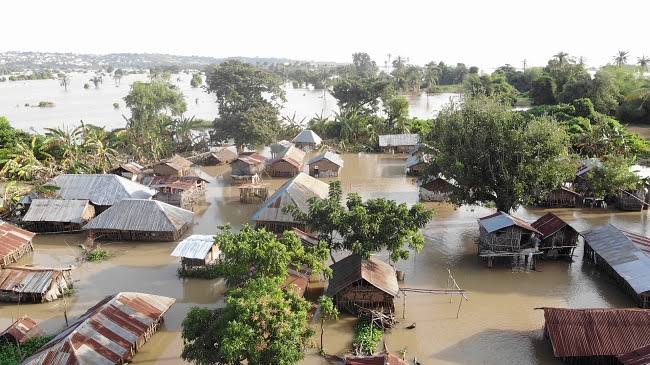
As the rainy season intensifies across Nigeria, the annual threat of flooding has once again become a pressing national concern. From coastal communities to riverine settlements and urban centres with poor drainage systems, the warning signs are familiar.
The loss of lives, destruction of homes, displacement of families, disruption of economic activities and damage to critical infrastructure have become recurring tragedies that demand more than emergency responses. They require deliberate preparedness.
Flooding is no longer an occasional natural disaster. It has become a predictable challenge, worsened by climate change, rapid urbanisation, poor environmental practices and weak enforcement of planning regulations. While nature may trigger the rains, many of the devastating consequences are avoidable.
Preparedness must begin long before floodwaters arrive. Government agencies at the federal, state and local levels have a responsibility to move beyond issuing seasonal warnings to implementing practical preventive measures. The Nigerian Meteorological Agency (NiMet) and the Nigeria Hydrological Services Agency (NIHSA) have consistently released forecasts identifying flood-prone areas. These predictions should not end as reports on government shelves or media headlines. They must translate into coordinated action.
State Emergency Management Agencies, SEMA and the National Emergency Management Agency (NEMA) should intensify public awareness campaigns, strengthen early warning systems, identify temporary shelters and pre-position relief materials in vulnerable communities.
Local governments, being closest to the people, must also take ownership of flood preparedness by ensuring that drainage channels are cleared blocked, waterways reopened and illegal structures obstructing natural water channels removed in accordance with the law.
Equally important is the role of urban planning authorities. Year after year, buildings continue to spring up on flood plains, wetlands and waterways, often with little regard for environmental regulations. Weak enforcement and political interference have allowed unsafe developments to flourish. This cycle must end. Prevention is always less costly than rebuilding after disaster strikes.
However, government alone cannot shoulder the responsibility. Communities themselves have a critical role to play in reducing flood risks. Residents must abandon the harmful practice of dumping refuse into drainage systems, which remains one of the leading causes of urban flooding.
Community leaders, religious institutions, youth organisations and civil society groups should mobilise residents for regular environmental sanitation exercises and educate them on flood safety measures.
Preparedness also requires a change in public attitude. Many people ignore evacuation notices until it is too late, often because of misinformation, distrust or fear of losing their property.
Public confidence can only improve if government demonstrates consistency, transparency and adequate support for displaced persons. Effective communication before, during and after flooding is essential to saving lives.
The private sector also has an important role. Businesses can support community resilience through investments in environmental sustainability, disaster response initiatives and corporate social responsibility programmes focused on flood prevention.
Media organisations, on their part, must sustain public education campaigns rather than limiting coverage to periods of disaster.
Climate change has made extreme weather events more frequent across the world, and Nigeria cannot afford to continue reacting instead of preparing. Investing in flood control infrastructure, expanding drainage networks, constructing retention basins and restoring degraded wetlands should become long-term priorities at all levels of government.
Flood preparedness is a shared responsibility. Success depends on effective collaboration among government institutions, communities, emergency responders, environmental agencies, the private sector and ordinary citizens. Every stakeholder has a role in preventing avoidable disasters.
As forecasts continue to warn of above-normal rainfall in many parts of the country, the time for action is now. Preparedness is not merely about responding to emergencies; it is about protecting lives, preserving livelihoods and building resilient communities.
Nigeria has the knowledge, institutions and experience to reduce the impact of flooding. What is needed is the political will, collective responsibility and sustained commitment to act before the next disaster occurs.

