
By Palma Ileye
The Federal Government, in partnership with the Niger Delta Development Commission, will launch a $500 million Niger Delta Agricultural Investment Fund on July 15 to finance large-scale farming projects across the region’s nine states.
The fund, which will be managed commercially, will have Vice President Kashim Shettima serving as Chairman of its Board of Trustees.
The initiative will be officially unveiled during the maiden Niger Delta Agricultural Development and Investment Summit, jointly organised by the Office of the Vice President and the NDDC at the Banquet Hall of the Presidential Villa in Abuja.
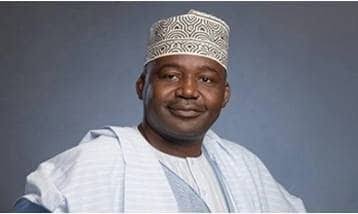
Speaking at a joint press briefing at the State House on Thursday, Deputy Chief of Staff to the President, Senator Ibrahim Hadejia, said President Bola Tinubu had endorsed the summit, which is expected to attract about 500 participants, including local and international investors, development finance institutions, agricultural stakeholders and partner organisations. Around 40 experts are also expected to speak at the event.
Hadejia described the initiative as part of President Tinubu’s broader commitment to expanding agricultural development across the country.
He noted that although the Niger Delta is widely recognised for its oil and gas resources, the region also possesses enormous agricultural potential capable of boosting food production and exports.
According to him, the summit is designed to translate the region’s agricultural potential into tangible investments and economic growth.
“The Niger Delta Agricultural Development and Investment Summit 2026 represents a strategic shift from potential to performance, from conversation to capital, and from fragmentation to coordination,” Hadejia said.
He added that the programme aligns with the Federal Government’s vision of building a resilient, diversified and inclusive economy with agriculture serving as a key driver of growth.
Hadejia expressed confidence that the investment fund would stimulate private sector participation, create employment opportunities, strengthen food security and establish the Niger Delta as a major agricultural hub.
He further disclosed that the initiative had attracted international interest, with organisations such as Afreximbank, foreign diplomatic missions and the Government of Brazil indicating their willingness to participate.
Addressing concerns that the new initiative could duplicate the work of the Presidential Food Systems Coordinating Unit, Hadejia dismissed the suggestion, insisting that both bodies have distinct responsibilities.
He explained that the Presidential Food Systems Coordinating Council was established to coordinate the country’s various agricultural programmes during the food security crisis and ensure policy alignment among government agencies, state governments and the private sector.
According to him, the newly proposed investment fund has a different mandate, focusing specifically on mobilising $500 million in financing to transform agriculture in the Niger Delta from subsistence farming into large-scale commercial production.

