
By Kehinde Ibrahim, Lagos
The Federal Government has introduced a new national framework aimed at transforming how food and related services are procured across public institutions, as part of efforts to improve nutrition, promote healthier diets and strengthen governance in the management of public resources.
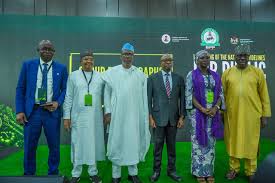
The Bureau of Public Procurement, BPP, in collaboration with key government institutions and development partners, unveiled the National Guideline for Public Procurement of Food and Related Services in Abuja on Monday. The initiative is expected to reshape food procurement practices in schools, hospitals, correctional facilities, military establishments and other public institutions by embedding health, nutrition and quality standards into procurement decisions.
Developed in partnership with the Federal Ministries of Budget and Economic Planning, Health and Social Welfare, Resolve to Save Lives and other stakeholders, the guideline is aligned with the World Health Organisation’s, WHO, principles for healthy diets and seeks to ensure that government spending on food contributes to improved health outcomes while maintaining transparency, efficiency and value for money.
Speaking at the unveiling, the Minister of State for Health and Social Welfare, Dr. Iziaq Salako, described the guideline as a significant milestone in Nigeria’s drive to leverage public procurement as a strategic instrument for sustainable national development.
According to him, the initiative goes beyond introducing another policy document, representing a governance reform that integrates health priorities into procurement processes across government institutions.
“Today’s event represents a significant governance milestone and demonstrates how public procurement can be deliberately harnessed to promote a culture of national wellness through the food value chain,” Salako said.
He explained that the guideline is consistent with the provisions of the Public Procurement Act, 2007, which emphasises transparency, competitiveness, cost-effectiveness and professionalism in the management of public funds.
The minister stressed that procurement should no longer be regarded merely as an administrative compliance requirement but as a strategic policy instrument capable of improving health outcomes, strengthening human capital, stimulating economic growth and advancing sustainable development.
He noted that every procurement decision reflects national priorities and should contribute to the welfare of Nigerians by promoting healthier food choices in government-funded institutions.
According to Salako, the guideline is designed to ensure that routine procurement decisions actively support improved nutrition, disease prevention and better healthcare outcomes in public schools, hospitals, correctional centres, military formations and other government establishments.
He added that the initiative reflects the Federal Government’s whole-of-government approach to public health by integrating health, agriculture, economic planning and procurement policies into a coordinated framework.
The minister urged ministries, departments and agencies to move beyond the formal launch of the guideline and focus on its effective implementation across all levels of government.
He said the success of the initiative would ultimately be measured by the quality of meals served in public institutions and the positive impact on the health and productivity of Nigerians.
“The true impact of today will be measured by healthier meals served in our schools, hospitals, correctional centres, military establishments and other public institutions.
“Let us move beyond a launch to faithful, coordinated and uncompromising implementation. Together, let us ensure that every procurement decision consistently delivers measurable value and contributes to building a healthier, more productive Nigeria,” he said.
Earlier, the Director-General of the Bureau of Public Procurement, Dr. Adebowale Adedokun, described the guideline as another important milestone in Nigeria’s ongoing procurement reform agenda.
He said the framework was developed to ensure that public expenditure on food delivers value for money while promoting nutrition, food safety, quality assurance and responsible sourcing.
According to Adedokun, the guideline provides a comprehensive framework covering procurement planning, bid solicitation, contract award, implementation and contract management to ensure that only qualified suppliers provide food and related services to government institutions.
He added that the document also supports the Federal Government’s Nigeria First policy by encouraging responsible local sourcing, strengthening food security, creating employment opportunities and stimulating economic growth through increased patronage of local producers.
The BPP boss called on state governments, procurement professionals, regulatory agencies, development partners and other stakeholders to support the nationwide adoption and implementation of the guideline to maximise its intended benefits.
Also speaking, Executive Director of Resolve to Save Lives, Nanlop Ogbureke, said the guideline places health considerations at the centre of public food procurement and represents a major step towards creating healthier food environments across public institutions.
She noted that improving the nutritional quality of food served in government facilities would help reduce the growing burden of non-communicable diseases while enhancing the overall well-being of Nigerians.
According to Ogbureke, the initiative demonstrates how public policy can be used to make healthier food choices more accessible and affordable while reinforcing Nigeria’s commitment to preventing non-communicable diseases through evidence-based interventions.
She reaffirmed the organisation’s commitment to providing technical support to the Federal Government through research, stakeholder engagement and capacity-building initiatives to ensure the successful implementation of the guideline.
The unveiling ceremony, themed “Public Procurement of Food: Promoting a Culture of National Wellness in the Food Value Chain,” attracted senior government officials, development partners, civil society organisations, procurement professionals and other stakeholders committed to strengthening Nigeria’s food procurement system and improving public health outcomes.

