
By Aaron Ossai
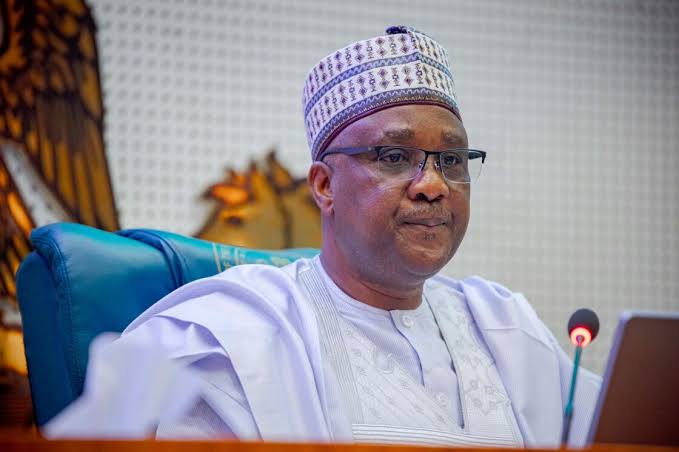
Speaker of the House of Representatives, Hon. Abbas Tajudeen, has called for deliberate efforts to prepare young Nigerians for leadership, stressing that they should no longer be viewed as “leaders of tomorrow” but as active contributors to governance today.
Speaking at the launch of the Leadership for Equity, Advocacy and Development (LEAD) Fellowship in Abuja, Abbas—represented by Hon. Kafilat Ogbara—said young people must be equipped with leadership skills, ethical values, policy knowledge, and institutional exposure to enable them drive national development.
He described leadership as a responsibility rooted in accountability, democratic values, and the rule of law, urging young Nigerians to pursue public service with integrity rather than personal ambition.
The Speaker commended the Gender Mobile Initiative (GMI) for establishing the 18-month LEAD Fellowship, which aims to train 1,000 student leaders across 10 tertiary institutions through mentorship, policy engagement, and leadership development. He also praised the programme’s inclusive approach, particularly its focus on women, persons with disabilities, and other historically marginalised groups.
Abbas reiterated the House of Representatives’ support for constitutional reforms to improve women’s political representation through proposed special legislative seats, arguing that the initiative seeks to remove systemic barriers rather than lower leadership standards.
He also proposed creating a LEAD Alumni Policy Network to sustain mentorship, policy research, and collaboration among fellows after the programme.
Executive Lead of GMI, Omowumi Ogunrotimi, said the fellowship was created to bridge the gap between student leadership and meaningful participation in governance after graduation. She noted that many ethical student leaders lack structured pathways into public service despite demonstrating leadership potential on campuses.
Other speakers, including House spokesman Rep. Akin Rotimi Jr. and NILDS Director-General Prof. Abubakar O. Sulaiman (represented by Dr. Shuaibu Danwanka), emphasised that Nigeria’s democratic future depends on investing in ethical, competent, and inclusive leadership from an early stage.
They urged participants to prioritise character, competence, service, accountability, and institutional development over political ambition, describing the fellowship as a strategic investment in Nigeria’s democracy, governance, and national development.

