
By Palma Ileye
The 2027 presidential candidate of the Social Democratic Party (SDP), Prince Adewole Adebayo, has proposed the deployment of thousands of decentralised electricity systems alongside continued expansion of Nigeria’s national grid as part of his strategy to tackle the country’s persistent power crisis.
The proposal is contained in his book, Farewell to Poverty and Insecurity, which outlines a two-track electricity strategy combining the modernisation and expansion of the national grid with rapid development of mini-grids, embedded generation and stand-alone power systems.
Under the proposed National Distributed Electricity Initiative, states, local governments, communities, cooperatives, farms, schools, hospitals, markets and businesses would be encouraged to develop electricity systems tailored to their specific needs.
The plan identifies solar, small hydro, wind, biomass, natural gas and hybrid technologies among the potential sources of decentralised power.
Adebayo’s blueprint proposes the development of tens of thousands of such systems within four years, arguing that the approach could expand access to reliable electricity in underserved communities, ease pressure on the national grid and reduce transmission losses.
The proposal also envisages dedicated electricity solutions for industrial parks, manufacturing clusters, agro-processing centres, technology parks, hospitals and universities through embedded generation, captive power plants and independent power projects.
Proposed Bank of Electricity
Adebayo further proposes the establishment of a Bank of Electricity to provide long-term, single-digit financing for mini-grids, embedded generation and the local production of electricity equipment.
According to the blueprint, the financing institution would support domestic manufacturing of transformers, meters, cables, solar panels, batteries, inverters and other components needed to strengthen the electricity value chain.
The plan also calls for the transformation of the National Power Training Institute into a broader electricity and renewable-energy training network capable of equipping engineers, technicians, artisans and other workers with skills required by the evolving power sector.
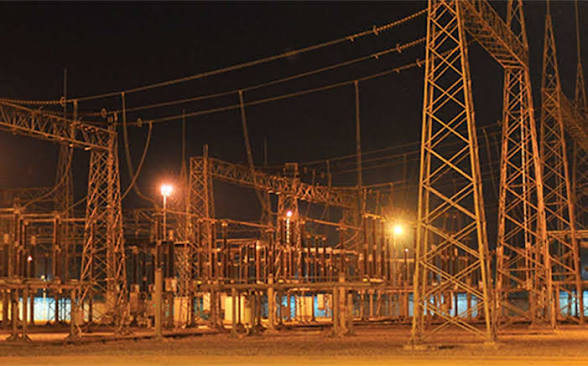
Adebayo’s proposal does not seek to replace the national grid. Instead, it advocates continued investment in generation, transmission and distribution infrastructure while expanding decentralised power systems.
The blueprint also recommends improvements in metering, grid management and the reduction of technical and commercial losses.
On electricity billing, the proposal calls for stronger consumer protection, accurate metering and enforceable service standards, including the principle that consumers should not be billed for electricity they do not receive.
The electricity proposals form part of the broader economic strategy outlined in Farewell to Poverty and Insecurity, which identifies reliable and affordable electricity as critical to reducing business costs, improving industrial productivity, supporting manufacturing and expanding employment opportunities.
Adebayo’s proposed approach therefore combines national grid development with locally distributed power solutions, with the stated objective of making electricity more available and reliable across communities and productive sectors of the Nigerian economy.

