
By Ere-ebi Agedah Imisi
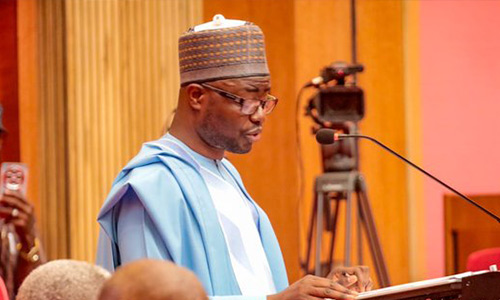
The Minister of Humanitarian Affairs and Poverty Reduction, Dr. Bernard M. Doro, has urged Nigerians to protect vulnerable citizens and strengthen collective efforts to eradicate poverty, stressing that poverty reduction is critical to building a peaceful and secure society.
Doro made the call over the weekend at the 2026 International Day for the Eradication of Poverty celebration in Abuja, with the theme, “United for Peace and Human Rights: Safe Homes for All.”
The minister said Nigeria must intensify efforts to tackle poverty in all its dimensions, particularly with only four years remaining to achieve the 2030 Sustainable Development Goals, SDGs.
He noted that SDG 1 seeks to end poverty in all its forms, while SDG 11 promotes inclusive, safe, resilient and sustainable cities and communities, including access to adequate and affordable housing and basic services.
Doro challenged stakeholders to assess Nigeria’s progress and identify areas requiring urgent intervention.
“Let’s ask ourselves honestly how far we have gone and what more needs to be done,” he said.
According to him, the administration of President Bola Tinubu is driving poverty reduction through the ministry’s One Humanitarian, One Poverty Reduction Strategy, OHOPRS, which adopts a multidimensional approach to humanitarian response, social protection and economic inclusion.
He stressed that poverty reduction should not be viewed solely as an economic objective, but also as a prerequisite for peace and social stability.
“A fight for poverty is a fight for peace,” Doro said.
The minister explained that the ministry’s responsibility is twofold: providing immediate protection for vulnerable Nigerians while creating sustainable pathways to economic independence.
“Our task in the ministry is twofold: to protect Nigerians who are vulnerable today; and to open pathways that make them resilient and economically independent tomorrow,” he said.
Doro said the government was shifting from short-term relief to sustainable empowerment, encapsulated in the principle of “moving from palliatives to pathways.” He identified the Household Prosperity and Economic Social Protection Project (HOPE-SP) as a key component of this approach.
He added that OHOPRS places households at the centre of interventions and seeks to strengthen the resilience of poor families, particularly mothers and children, against economic and other shocks.
In his remarks, the ministry’s Permanent Secretary, Mr. Olubunmi Olusanya, said poverty reduction could not be achieved by government alone and called for stronger collaboration among public institutions, development partners, private organisations and other stakeholders.

