
*Academy of Medical Sciences of Nigeria urges Nigerians to avoid handshakes, hugs
*Calls for immediate activation of high-alert protocols nationwide
*Wants increased screening at Air/Seaports, land borders for travellers from Ebola-affected countries
*Urges Nigerians to remain calm but vigilant, stressing need for strict adherence to health guidance
By Blessing Bature
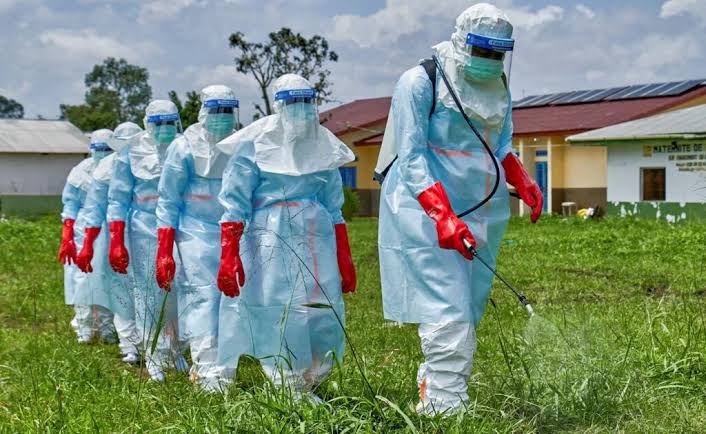
The Academy of Medical Sciences of Nigeria has urged Nigerians to avoid handshakes, hugs and unnecessary physical contact as part of precautionary measures following the confirmation of an Ebola case in Abuja.
The academy’s President, Prof. Osato Giwa-Osagie, gave the advice on Tuesday in a public health statement responding to the Federal Ministry of Health and Social Welfare’s announcement of the case involving a woman who recently arrived from Uganda.
He urged Nigerians to remain calm but vigilant, emphasising the need to observe preventive measures and comply with official health guidelines to prevent the possible spread of the disease.
Giwa-Osagie commended the Coordinating Minister of Health and Social Welfare, Prof. Muhammad Pate, and relevant government agencies for initiating response measures, including the isolation of the patient, contact tracing and intensified disease surveillance.
He, however, called for the immediate activation of high-alert protocols across the country, drawing attention to Nigeria’s experience in containing the 2014 Ebola outbreak and managing the COVID-19 pandemic.
The academy also called for strengthened screening at airports, seaports and land borders, particularly for travellers arriving from countries affected by Ebola.
“There is the need for stronger infection prevention and control measures in public and private health facilities, alongside personal protective equipment for health workers,” he said.
The academy stressed that the prompt identification, isolation and reporting of suspected cases were critical to preventing further transmission.
Giwa-Osagie explained that Ebola was not an airborne disease but spread through direct contact with the blood or other body fluids of infected people who were sick or had died. Transmission could also occur through contact with materials contaminated by such fluids.
He added that infected persons could not transmit the virus before developing symptoms.
To reduce the risk of infection, the academy advised Nigerians to wash their hands frequently with soap and running water or use alcohol-based hand sanitisers. Members of the public were also warned against contact with the body fluids of sick persons and handling the bodies of suspected Ebola victims.
According to the academy, symptoms of the disease may include fever, severe weakness, headache, vomiting and diarrhoea.
“Anyone who suspects exposure or develops symptoms should contact public health authorities before visiting a health facility,” Giwa-Osagie said.
He urged Nigerians to cooperate with contact-tracing teams, avoid spreading unverified information and refrain from stigmatising people affected by the disease.
The academy further advised members of the public to contact the Nigeria Centre for Disease Control and Prevention through its toll-free number, 6232, for information or to report suspected cases.
The statement also acknowledged the contributions of the academy’s Foundation President, Prof. Oladapo Ashiru, and its Rapid Response Committee representative, Prof. Boaz Adegboro.

