
By Palma Ileye
Confederation of African Fashion (CAFA) has commenced moves to secure continental adoption of the African Fashion Industry Growth Charter through the African Union, one year after Nigeria became the first country in the world to sign the document.
The initiative is aimed at transforming Africa’s fashion and textile industry through common standards, industrial development, improved financing, skills development and increased participation in the global fashion market.
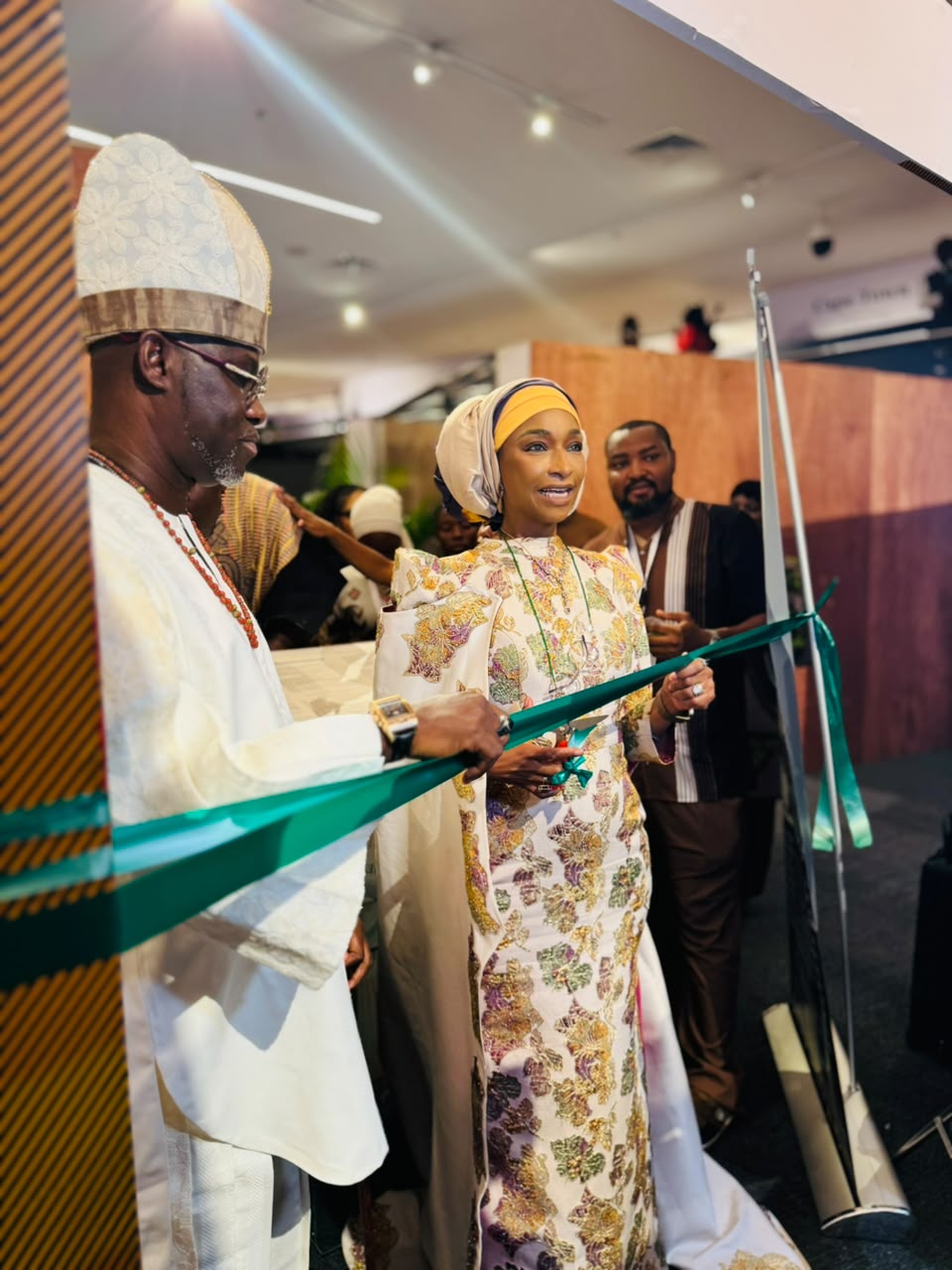
CAFA President, Aare Prof. Lai Labode, disclosed this on Thursday in Lagos during the celebration of the first anniversary of the Charter at the Wole Soyinka Centre for Culture and Creative Arts, held as part of the 2026 Creative Africa Nexus Weekend (CANEX WKND).
According to a press release signed Friday by Nneka Ikem Anibeze, Special Adviser on Media and Publicity to the Minister of Art, Culture, Tourism and the Creative Economy, Nigeria signed the Charter on November 5, 2025, through the Federal Ministry of Art, Culture, Tourism and the Creative Economy, becoming the first country globally to adopt the initiative.
Labode said the organisation was working towards securing additional country signatures, noting that Rwanda was making progress towards becoming the second country globally and the first in East Africa to formally participate in the initiative.
He said discussions were also ongoing with Liberia, while engagements with Ghana and other African countries were expected during CANEX WKND, with between five and 10 countries projected to participate in the discussions.
According to him, the Charter was designed to address structural challenges limiting the growth of Africa’s fashion industry despite the continent’s enormous creative potential.
He said Africa, with a population of about 1.7 billion, has a fashion economy estimated at $60 billion, compared with a potential of $500 billion.
The CAFA President added that although 37 of Africa’s 54 countries produce cotton, the continent exports about $15.5 billion worth of textiles annually while importing textiles, clothing and footwear valued at $23.1 billion.
He lamented that African designers continued to struggle with inadequate production facilities, limited access to finance and the absence of recognised professional certification and common industry standards.
“The world has never doubted Africa’s talent. It has simply never had to pay Africa for it. The Charter exists to change who gets paid,” he said.
Labode explained that the organisation was also pursuing partnerships with Austria and Turkey towards establishing a central textile factory that would serve African countries through international-standard production, global distribution, training and intellectual property protection.
He said some major international textile companies had expressed interest in the proposed factory, adding that plans were also underway to establish African Global Fashion Houses where designers could showcase and sell their products.
In her remarks, the Minister of Art, Culture, Tourism and the Creative Economy, Hannatu Musa Musawa, said the Federal Government supported the Charter because of its potential to create jobs, strengthen the creative economy and provide a structured framework for the fashion industry.
Musawa, who cut the anniversary ribbon, said African fashion had preserved the continent’s cultural identity and heritage for generations but lacked the institutional structures required to maximise its economic potential.
She said the government recognised the Charter as an economic instrument capable of providing common standards and creating opportunities for African designers and fashion entrepreneurs.
“A signature only matters if something follows it,” the minister said, expressing optimism that the initiative would translate into employment opportunities and sustainable growth across the sector.
The Minister commended President Bola Tinubu and CAFA for supporting the initiative, while expressing confidence that more African countries would embrace the framework.
On its continental expansion strategy, CAFA said it was engaging the African Union Commission through Nigeria’s Federal Ministry of Foreign Affairs to secure recognition of the Charter as a continental framework for the fashion and textile economy.
The organisation also plans to work with the African Continental Free Trade Area (AfCFTA) Secretariat to align its certification and production standards with regional trade rules, thereby facilitating the movement of African-made textiles and garments across borders.
Other planned engagements include discussions with the African Export-Import Bank (Afreximbank) and its Creative Africa Nexus (CANEX) programme on financing the proposed textile factory, designer export initiatives and the African Global Fashion Games.
CAFA said it would also work with regional economic communities, including the Economic Community of West African States (ECOWAS) and the East African Community (EAC), to encourage more countries to sign and domesticate the Charter.
The organisation identified increased country participation, local textile production and retention of greater economic value within Africa as key measures of the Charter’s success.
Meanwhile, Nigeria is expected to host the African Global Fashion Games in 2028, an initiative designed to bring African countries together to compete in seven fashion-related disciplines covering design, craftsmanship, textile performance and innovation.
The Games, which will hold every three years and alternate between Africa and other parts of the world, are also expected to provide a platform for investors, designers and governments to explore opportunities in the industry.
According to CAFA, participating countries will contribute a thread to a collective World Cloth as part of the initiative.
The organisation’s stand at CANEX WKND 2026, which runs from November 5 to 8 in Lagos, will feature the full African Fashion Industry Growth Charter and supporting information for interested countries and partners.
CAFA and the Federal Ministry of Art, Culture, Tourism and the Creative Economy urged African ambassadors, government delegations and industry stakeholders to engage with the organisation on opportunities for their countries to participate in the initiative.

