
By Michael Oche
With the growing number of Africans migrating across borders in search of better opportunities, the African Trade Union Migration Network (ATUMNET) and the International Labour Organization (ILO) have called for the strengthening of Migrant Resource Centres (MRCs) to improve access to information, fair recruitment guidance, counselling and protection services for migrant workers and their families.
The organisations said stronger and better coordinated MRCs would help curb exploitation and improve protection mechanisms for migrant workers across the continent.
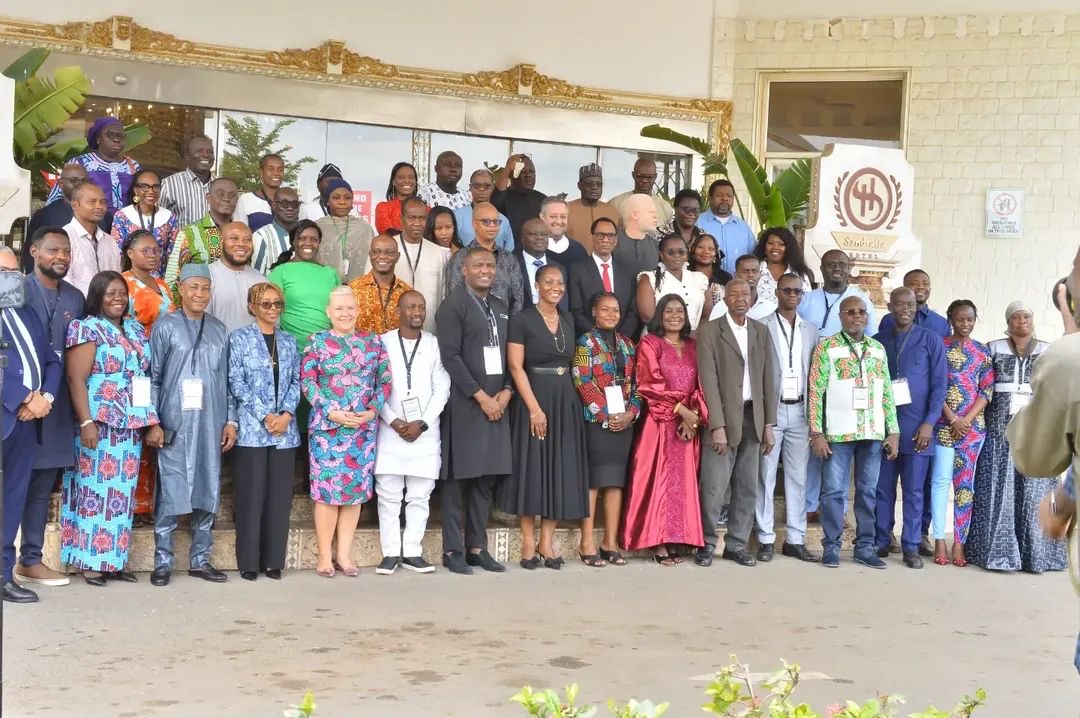
The call was made at the opening of a three-day regional workshop on strengthening coordination and peer exchange on Migrant Resource Centres
organised by the African Regional Organisation of the International Trade Union Confederation, (ITUC-Africa) in partnership with the ILO in Abuja.
The workshop brought together migration stakeholders from across Africa, including migrant workers, trade unions, government representatives and labour migration experts to discuss ways of strengthening coordination among Migrant Resource Centres and addressing gaps affecting service delivery and worker protection.
Speaking at the opening session, the ILO Country Director for Nigeria, Ghana, Liberia and Sierra Leone, Dr Vanessa Phala, said Migrant Resource Centres have become critical frontline institutions providing migrant workers and their families with information, counselling, legal referrals, protection services and support throughout the migration cycle.
She explained that MRCs play an important role in promoting fair recruitment, safe migration pathways and access to justice, while also helping migrant workers avoid trafficking, forced labour and other forms of exploitation.
According to Phala, migrant workers across Africa continue to face numerous challenges including poor working conditions, non-payment of wages, unsafe workplaces, weak social protection coverage, discrimination and limited access to grievance mechanisms.
She added that many migrant workers are also exposed to abusive recruitment practices and misinformation due to limited regular migration pathways and weak access to reliable support services.
“As labour mobility continues to rise across Africa, strengthening coordination among Migrant Resource Centres is essential to ensuring that migration takes place in conditions of dignity, safety and decent work,” she said.
The ILO Country Director noted that despite the progress made by MRCs across the continent, many still face significant challenges including limited institutional coordination, resource constraints, uneven service standards, weak referral systems, poor digitalisation and sustainability concerns.
She added that migrant workers continue to face growing risks of exploitation, misinformation, forced labour and abusive recruitment practices.
“Over the next three days, we have a unique opportunity to strengthen collaboration and peer learning among MRCs and key stakeholders across Africa. We aim to exchange practical experiences, identify good practices, discuss operational challenges, and explore innovative approaches that can improve the effectiveness, sustainability, gender-responsiveness and worker-centeredness of MRCs,” she said.
In his welcome address, the General Secretary of ITUC-Africa, Akhator Joel Odigie, said African trade unions remain committed to developing practical and worker-centred solutions to the growing challenges confronting migrant workers across the continent.
Odigie stressed the need to strengthen coordination between trade union-run Migrant Resource Centres and government labour migration systems, noting that stronger institutional linkages would improve protection, access to information and support services for migrant workers.
According to him, Africa’s migration realities require pragmatic and homegrown solutions rather than prolonged discussions without action.
“Africa does not have the luxury of lamenting endlessly about migration challenges. The real task before us is how to develop practical solutions and answers that respond to the realities facing workers across the continent,” he said.
The ITUC-Africa General Secretary also emphasized that migrant workers should not be viewed merely as economic tools because they remain central contributors to the continent’s development and regional economies.
“Migrant men and women contribute immensely to Africa’s economy and development, but they are not commodities. Beyond the wealth they generate, they are human beings with rights, dignity and aspirations that must be protected,” he added.
He further called for stronger rights-based migration governance systems capable of protecting migrant workers from exploitation, abusive recruitment practices and unsafe working conditions.
Also speaking, the Director of the Employment and Wages Department at Nigeria’s Federal Ministry of Labour and Employment, Joseph Jonah Akpan, said Migrant Resource Centres remain critical institutional platforms for promoting safe and regular migration across Africa.
Represented by Kabiru Muhammad of the Abuja Migrant Resource Centre, the Director identified capacity building as a major priority, emphasizing that MRC personnel must continuously receive training on migration policies, labour market trends and international labour standards to remain responsive to the changing realities of labour migration.
He further called for greater use of digital tools and reliable labour migration data to strengthen planning, transparency and accountability within migration governance systems across Africa.
“Integrating MRC operations into broader Labour Market Information Systems will enhance evidence-based policymaking and improve transparency and accountability,” he said.
Akpan also stressed the need for gender-responsive and inclusive approaches, particularly in protecting women and young migrant workers who often face heightened risks of exploitation and abuse during migration processes.
Reaffirming Nigeria’s commitment to strengthening labour migration governance, the Ministry said collaboration among African countries and regional partners would be critical to building sustainable systems capable of safeguarding the rights and dignity of migrant workers across the continent.

