
By Palma Ileye
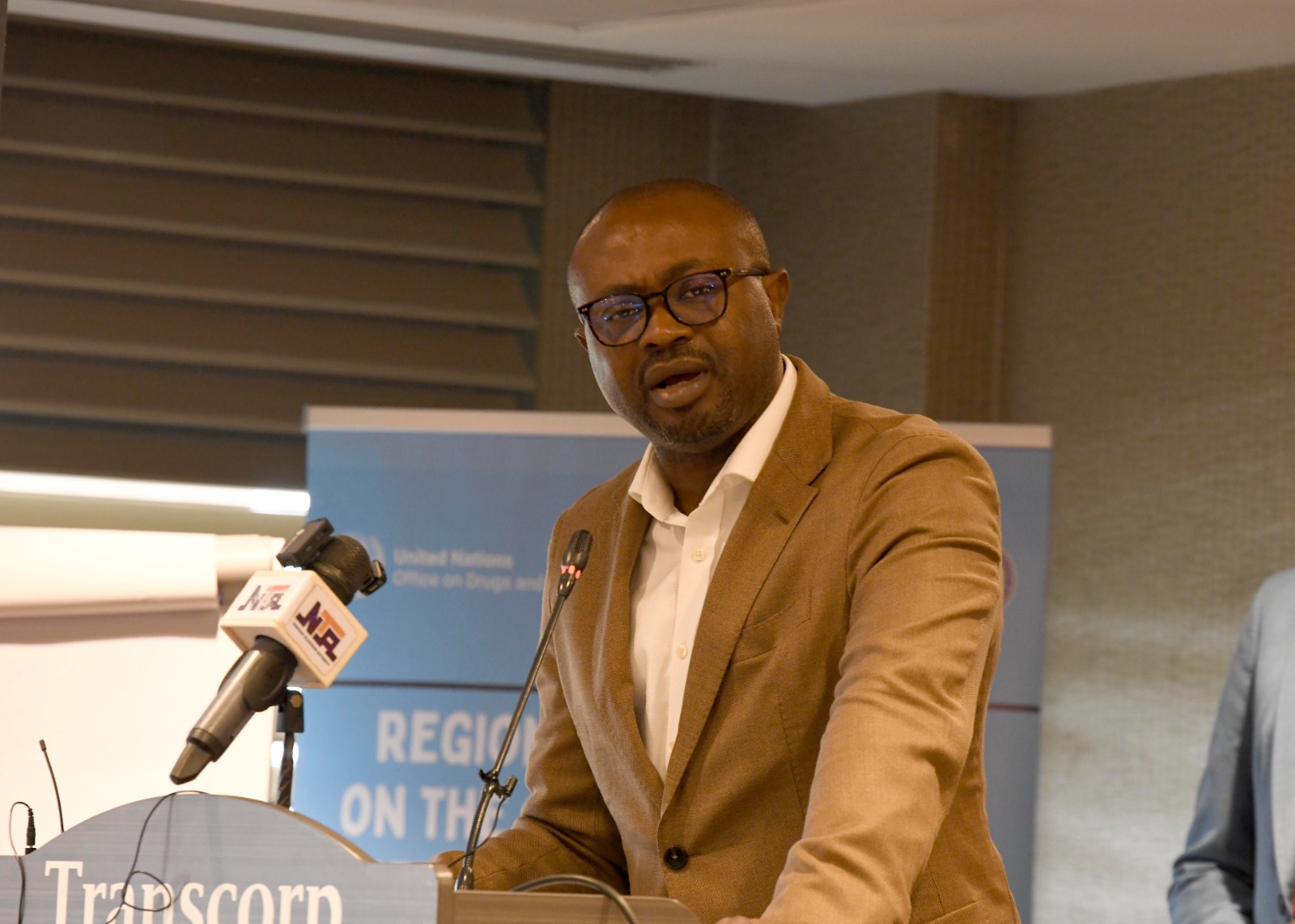
Nigeria has began hosting correctional leaders, policymakers and prison reform experts from across Africa as the 2026 African Correctional Services Association (ACSA) Regional Conference on Prisoner Classification and the Use of Technology in Prisons opened in Abuja.
The three-day conference, organised by the Nigerian Correctional Service (NCoS) in collaboration with the United Nations Office on Drugs and Crime (UNODC) and the African Correctional Services Association (ACSA), is bringing together delegates from 11 African countries to discuss innovative approaches to prisoner classification, digital transformation in Correctional administration and stronger regional cooperation on prison reforms.
Speaking at the opening ceremony, the Controller-General of Corrections, Sylvester Ndidi Nwakuche, described the conference as a major step towards building Correctional systems that were safer, more humane and better equipped to address emerging security and rehabilitation challenges across the continent.
Nwakuche reaffirmed the commitment of the Nigerian Correctional Service to modernising correctional administration through professionalism, innovation and global best practices in line with President Bola Tinubu’s Renewed Hope Agenda.
He said effective prisoner classification remains central to correctional management as it enhances institutional security, protects vulnerable inmates, supports targeted rehabilitation programmes and improves reintegration outcomes.
The Controller-General also disclosed that the Service was accelerating its digital transformation through the deployment of biometric identification systems, electronic inmate records management, data-driven decision-making and continuous capacity building for Correctional personnel.
“This conference offers Africa an opportunity to share experiences, learn from one another and develop practical, home-grown solutions that will strengthen correctional administration across the continent while promoting public safety and respect for human dignity,” he said.
Declaring the conference open, the Minister of Interior, Dr. Olubunmi Tunji-Ojo, commended the Nigerian Correctional Service for driving reforms that have positioned Nigeria as a leader in correctional administration in Africa.
Tunji-Ojo highlighted achievements recorded under the current administration, including expanded inmate education and vocational training, comprehensive inmate skills profiling, strengthened implementation of non-custodial measures to decongest correctional centres and sustained efforts to reduce recidivism.
According to him, Correctional facilities should remain centres for rehabilitation and reintegration rather than institutions focused solely on punishment.
“Correctional centres are places where hope is restored and lives are rebuilt. While technology cannot replace the human element, it remains a powerful catalyst for strengthening correctional administration and improving rehabilitation outcomes,” Tunji-Ojo said.
Representing the UNODC, Interregional Adviser on Prison and Penal Reform, Philip Meissner, said the conference coincides with activities marking Nelson Mandela International Day, stressing the importance of implementing technological innovations in ways that protect human rights, preserve dignity and improve correctional effectiveness.
Also speaking, Chairman of the African Correctional Services Association and South Africa’s National Commissioner of the Department of Correctional Services, said the gathering provides a platform for African countries to deepen collaboration in offender management through digital case management systems, biometric identification and other modern technologies.
The Acting Director of the United States Bureau of International Narcotics and Law Enforcement Affairs (INL), Douglas Grane, praised Nigeria’s leadership in advancing Correctional reforms, noting that stronger Correctional institutions contribute to justice sector reforms, public safety and regional security.
The opening day featured technical sessions on international standards for prisoner classification and strategies for implementing effective classification systems, with participants sharing global best practices and emerging innovations in correctional management.
Further deliberations over the next two days will focus on technology-driven correctional administration, digital information systems, country experiences in prison reforms and regional collaboration aimed at strengthening correctional services across Africa.

