
By Palma Ileye
More than 24.2 million Nigerians were living with vision impairment as of 2020, with Sightsavers calling for increased investment in eye care to address the growing burden and unlock an estimated $2.45 billion in economic benefits.
The international development organisation made the call on Thursday to mark the 2026 World Sight Day, urging the Federal Government, donors and private and public sector stakeholders to make eye care a stronger component of the country’s health system.
Sightsavers said increased access to basic interventions such as glasses and cataract surgery could improve learning, employment opportunities and productivity, while enabling more people to participate fully in society.
It said research by the International Agency for the Prevention of Blindness (IAPB), Seva Foundation and Fred Hollows Foundation estimated that Nigeria could gain $2.45 billion in economic benefits by increasing investment in eye care by 2030.
The organisation further cited IAPB data showing that early intervention for childhood vision impairment could increase a child’s lifetime earnings by 49 per cent.
Country Director, Sightsavers Nigeria, Prof. Joy Shu’aibu, said lack of access remained a major barrier despite the availability of effective solutions to many forms of vision impairment.
Shu’aibu said, “The solutions already exist. Glasses, cataract surgery and stronger eye care systems can transform lives, yet too many people still cannot access the support they need.”
According to her, the forthcoming Global Summit for Eye Health offers an opportunity for governments, donors and private and public sector actors to move from commitments to concrete action.
She said Sightsavers was committed to working with governments and partners to strengthen health services, support eye health professionals and take services closer to communities.
She also called for eye health to be incorporated into health, education, livelihood and road safety programmes.
Sightsavers said it was already supporting eye care interventions in Nigeria through its “Focus on Clear Vision” project, which includes training health workers and teachers to conduct basic eye health screening, community outreach, provision of glasses and equipment, as well as gender and disability inclusion training.
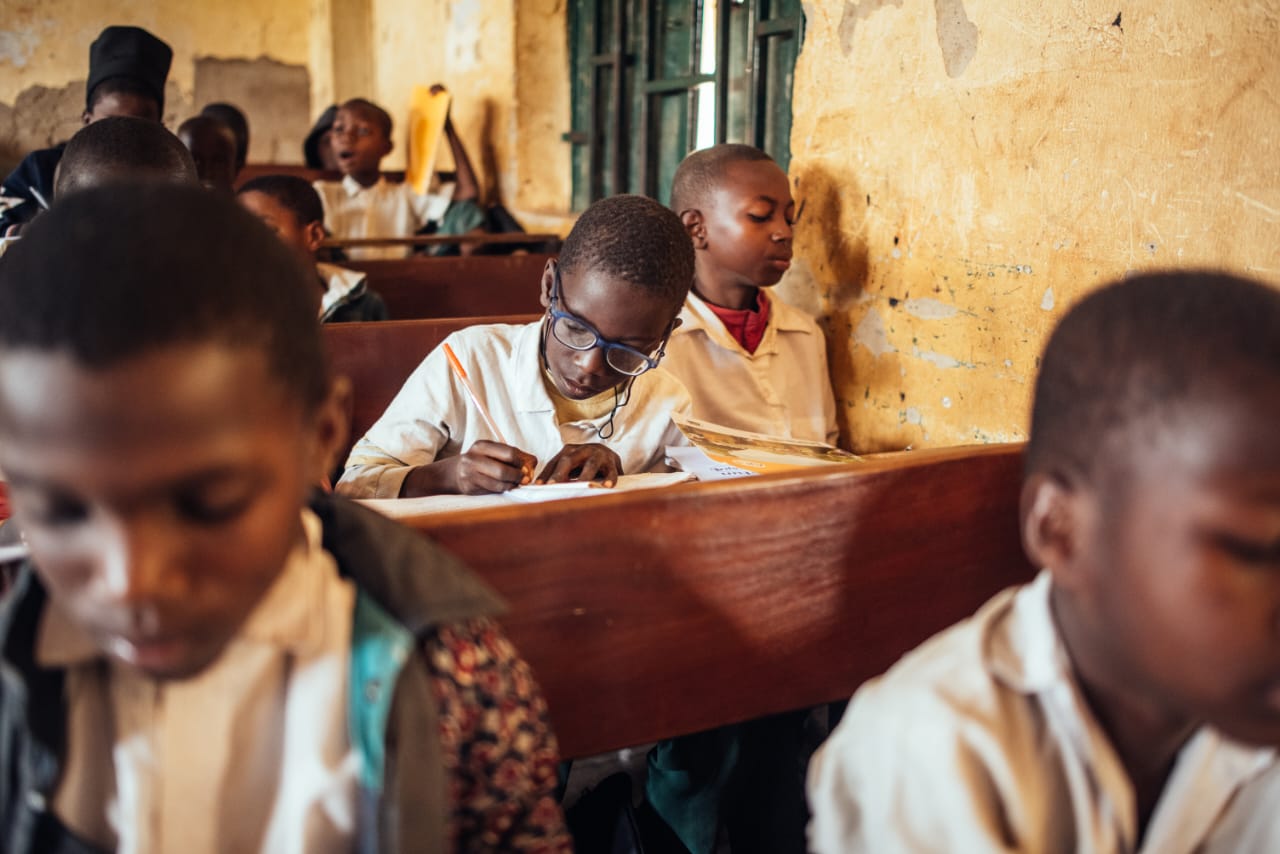
The organisation cited the case of Favour, a schoolgirl from Kebbi State who struggled to see the board in school until an eye screening supported by Sightsavers identified her refractive error and she was provided with glasses.
Favour’s mother, while describing the impact of the intervention, said her daughter could now see clearly and identify letters, making it easier for her to study.
Sightsavers expressed concern that eye care remained neglected in many health and development plans, particularly among communities disproportionately affected by vision impairment.
It said more than 85 per cent of people with vision impairment globally live in low- and middle-income countries, while women and girls account for more than half of people affected.
Meanwhile, Sightsavers, in collaboration with the Kaduna, Zamfara and Sokoto State governments, is marking World Sight Day with free eye screenings to identify eye conditions early and link affected persons with appropriate care.
The organisation urged Nigerian leaders to use the forthcoming Global Summit for Eye Health to strengthen commitments towards making eye care accessible, available and affordable to all.
The inaugural Global Summit for Eye Health is scheduled for November in Antigua and Barbuda and will be hosted by the country’s government in collaboration with the World Health Organisation (WHO) and IAPB.

