
Juliet Ezeh
Nigeria’s electricity debt crisis is increasingly being linked to deeper structural inefficiencies within the power sector, as generation companies highlight the growing burden of operational and financial pressures driving the dispute with the Federal Government.
While the government maintains that ongoing reconciliation could significantly reduce the total debt owed to power producers, industry operators argue that the real issue extends beyond headline figures to the underlying costs of keeping the system running.
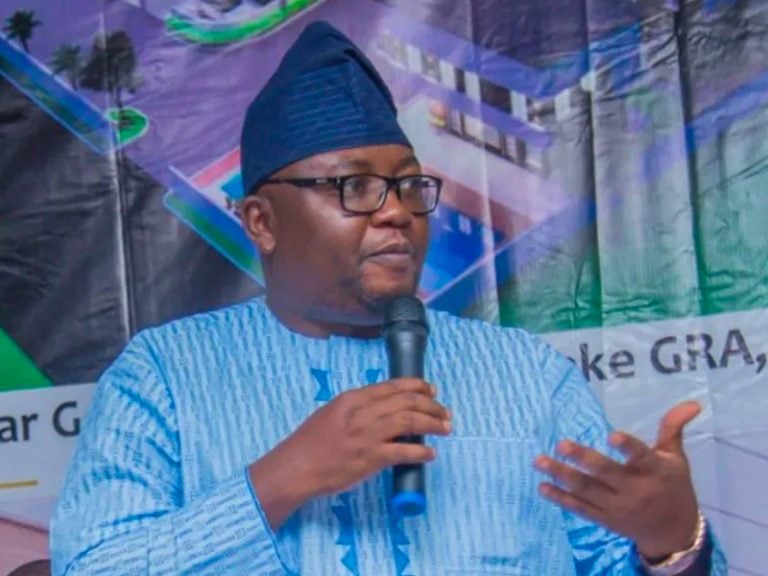
The Minister of Power, Adebayo Adelabu, recently suggested that liabilities to generation companies may settle around N4tn after reconciliation, lower than widely cited estimates.
However, power producers insist that such projections may overlook critical cost elements embedded in electricity generation, particularly those tied to Nigeria’s heavy dependence on gas and exposure to foreign exchange fluctuations.
According to the Association of Power Generation Companies, the bulk of the sector’s financial strain is driven by unpaid obligations that have accumulated over several years, alongside additional costs incurred from operational disruptions.
Its Executive Secretary, Joy Ogaji, explained that generation companies are not only dealing with unpaid invoices but also absorbing losses from frequent plant shutdowns, erratic gas supply, and limitations in the transmission network.
These challenges have forced power plants to operate far below their installed capacity, creating what industry experts describe as “stranded capacity” available electricity that cannot be delivered to consumers due to system constraints.
Operators also point to the absence of proper compensation for essential grid support services, including stabilising the power system during fluctuations and restarting the grid after outages. These services, they argue, impose additional wear on equipment and increase maintenance costs without corresponding revenue.
Concerns have also been raised about the role of the Nigerian Bulk Electricity Trading Plc, with stakeholders noting that the agency’s payment structure does not fully reflect the broader financial realities of the market.
The dispute comes as the administration of Bola Tinubu continues efforts to reform the power sector and address long-standing liquidity issues. Although a portion of the debt has been verified through audit processes, significant claims remain unresolved.
Industry observers warn that unless structural bottlenecks such as gas supply instability, tariff gaps, and transmission limitations are addressed, debt reconciliation alone may not resolve the sector’s challenges.
Instead, they argue that sustainable improvement in electricity supply will depend on tackling the systemic issues that continue to inflate costs and undermine efficiency across Nigeria’s power value chain.

