Juliet Ezeh
Nigeria is set to deepen trade and customs cooperation with Malaysia following new discussions between the Nigeria Customs Service and the Royal Malaysian Customs Department aimed at improving trade facilitation, border security, and regulatory efficiency.
The move comes as trade between both countries continues to rise sharply, with Nigeria’s imports from Malaysia growing from ₦159.9 billion in 2020 to ₦716 billion in 2024, pushing total trade volume to about ₦1.82 trillion over the past five years.
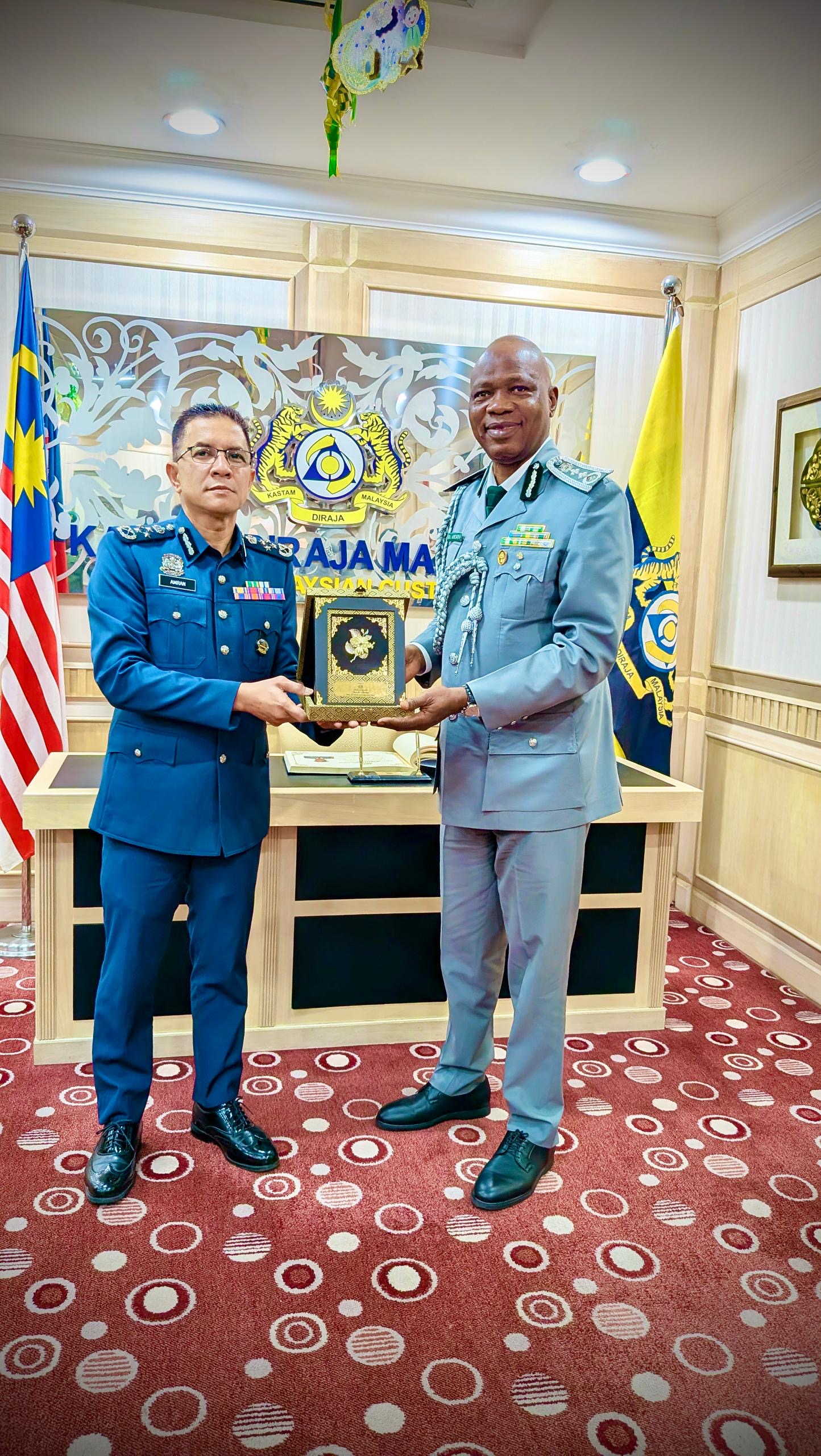
The discussions were held during an official visit by the Comptroller-General of Customs, Bashir Adewale Adeniyi, to the headquarters of the Royal Malaysian Customs Department on the sidelines of the DSA Malaysia 2026 event.
Adeniyi noted that the expanding trade relationship between both countries requires a more structured customs partnership that can support smoother cross-border transactions while ensuring compliance with international trade standards.
He explained that Malaysia remains one of Nigeria’s key trading partners in Asia, with major imports including crude palm oil, refined palm olein, jet fuel, food products, machinery, and other industrial inputs that support Nigeria’s manufacturing and consumption needs.
According to him, the absence of a formal legal framework guiding customs cooperation between both countries has created a gap that now needs urgent attention as trade volumes continue to grow.
In response, both customs authorities agreed to begin processes toward establishing a Mutual Recognition Agreement under the World Customs Organisation framework. The agreement is expected to strengthen cooperation, improve trust between both agencies, and introduce more predictable trade facilitation systems.
The Malaysian side, led by Director-General Dato’ Haji Amran bin Haji Ahmad, also presented its upgraded border management system, including the establishment of the Malaysian Border Control and Protection Agency as a unified enforcement structure for improved national security and trade regulation.
In return, Nigeria highlighted its own reform initiatives, including the Authorised Economic Operator programme designed to fast-track clearance processes for compliant traders, reduce delays at ports, and improve overall efficiency in customs operations.
Both sides also emphasized the importance of intelligence sharing, joint enforcement strategies, and technology-driven border management systems to tackle illicit trade, smuggling, and transnational financial crimes.
Customs officials from both countries agreed that modern trade environments now require stronger cooperation between agencies, especially as global supply chains become more complex and vulnerable to disruption.
The Nigeria Customs Service said the engagement reflects its broader modernisation agenda aimed at improving trade facilitation, strengthening border security, and boosting revenue generation for national development.
The service also reaffirmed its commitment to expanding bilateral and multilateral partnerships that support Nigeria’s economic growth objectives while ensuring that legitimate trade is encouraged and illegal trade is effectively curbed.
During his visit, the Comptroller-General also met with officials at the Nigerian diplomatic mission and defence office in Malaysia, where he commended their efforts in protecting Nigeria’s interests and supporting citizens abroad.
With Nigeria–Malaysia trade continuing to expand, the new cooperation framework is expected to play a key role in shaping smoother customs operations, improving investor confidence, and strengthening economic ties between both countries in the coming years.

