
By Michael Oche
Trade union leaders and occupational health and safety experts from across Africa will on Wednesday 15 July, 2026 gathered in Kenya for a regional workshop aimed at strengthening workplace safety systems, revitalising coordinated trade union action, and addressing emerging occupational hazards facing workers across the continent.
The workshop, organised by the African Regional Organisation of the International Trade Union Confederation (ITUC-Africa) under its African Trade Union Network on Occupational Health and Safety (ATUNOSH), comes amid growing concerns over unsafe working conditions, biological hazards, workplace violence, and the increasing impact of climate change on workers’ health and safety.
Nigerian Pilot reports that the meeting also seeks to reinvigorate the ATUNOSH network, established in 2021 during the COVID-19 pandemic to coordinate trade union responses to occupational health and safety (OHS) challenges across Africa.
Since its establishment, the network has brought together occupational health and safety focal persons from ITUC-Africa affiliates and Global Union Federations to champion safer workplaces and advocate stronger labour protections.
According to the organisers, despite notable progress in promoting occupational health and safety standards, African trade unions continue to face significant challenges, including limited financial and technical resources, weak institutional support, and declining prioritisation of workplace safety issues within labour movements.
These constraints, ITUC-Africa noted, have reduced the capacity of trade unions to effectively monitor workplaces, engage policymakers, and ensure compliance with occupational health and safety standards.
The workshop will also focus on strengthening participants’ understanding of key International Labour Organisation (ILO) conventions, particularly Convention 155 on Occupational Safety and Health, Convention 187 on the Promotional Framework for Occupational Safety and Health, Convention 190 on Violence and Harassment in the World of Work, and the newly adopted Convention 192 on Biological Hazards in the Working Environment.
Participants are expected to examine strategies for promoting the ratification, domestication and implementation of these conventions across African countries, while developing practical responses to workplace violence, sexual harassment, biological hazards and other emerging occupational risks.
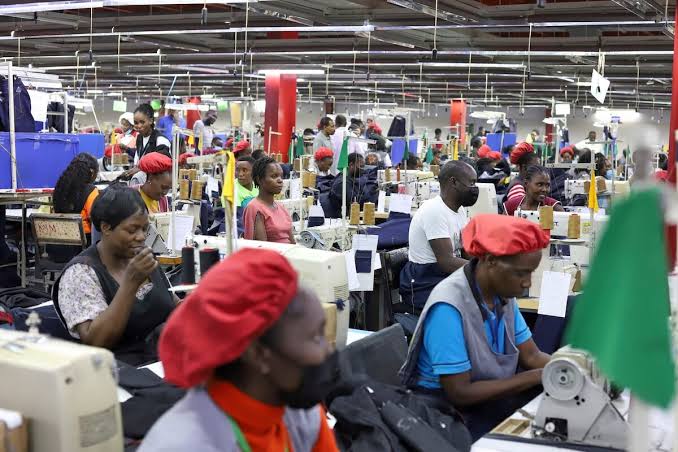
The organisers observed that unsafe working conditions remain widespread across several sectors, particularly within the informal economy and global supply chains, exposing millions of workers to preventable injuries, illnesses and other occupational hazards.
They also expressed concern over the continued prevalence of sexual harassment and violence in the workplace, noting that many trade unions still lack the institutional frameworks and practical tools required to effectively address such challenges.
Beyond capacity building, the Kenya workshop is expected to produce a renewed action plan for ATUNOSH, strengthen regional coordination among occupational health and safety focal persons, and develop country-specific advocacy strategies aimed at improving workplace safety standards.
The meeting will further serve as a strategic platform for African trade unions to harmonise their positions ahead of the World Congress on Safety and Health at Work, scheduled to hold in Senegal from April 27 to 30, 2027.
Organisers said the workshop would help ensure African trade unions speak with a unified voice at the global gathering by identifying shared priorities, strengthening regional collaboration and advancing coordinated advocacy on occupational health and safety.
Expected outcomes of the workshop include a validated action plan to revitalise ATUNOSH, improved knowledge of key ILO occupational health and safety conventions among participants, and concrete national and organisational action plans to strengthen workplace safety advocacy and policy implementation across Africa.
ITUC-Africa said the workshop reflects its broader commitment to ensuring that every worker on the continent has access to a safe, healthy and dignified working environment, while reinforcing the role of trade unions in promoting decent work and protecting workers’ rights.

