
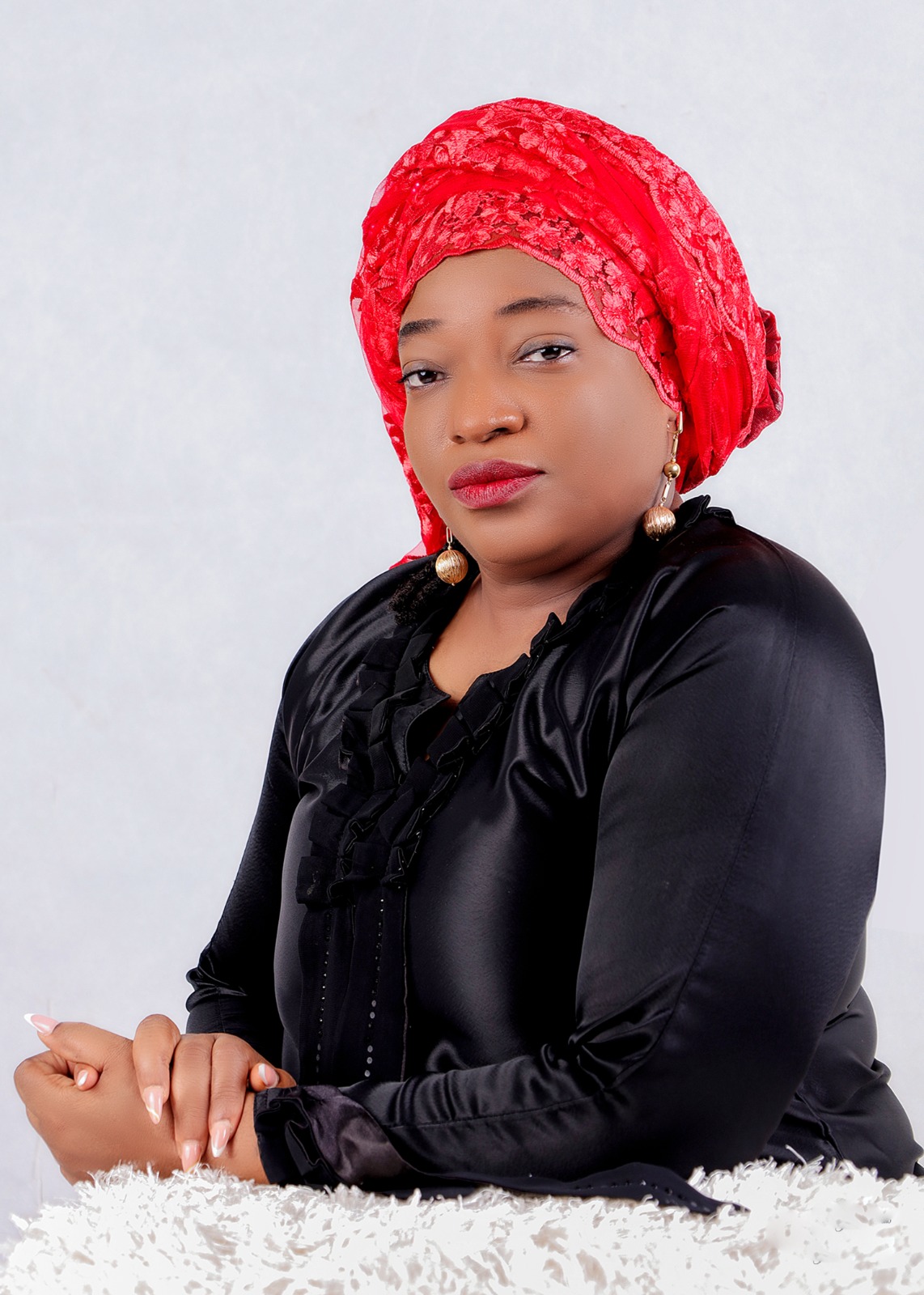
By Palma Ileye
Executive Director of Women in Mining Africa (WiM-Africa), Dr. Comfort Asokoro-Ogaji, has called on West African governments, investors and development institutions to translate the region’s mineral wealth into industrial capacity, local business growth and shared prosperity.
She said mineral investments should not be measured by announcements alone but by their ability to secure financing, commence operations, develop local businesses and improve the livelihoods of people in mining communities.
Asokoro-Ogaji made the call in a position paper delivered at the 2026 edition of the West Africa Integration and Investment Summit (WAIIS), held in Sierra Leone on November 17.
In the paper titled, “West Africa’s Mineral Wealth Must Translate into Industrial Capacity and Shared Prosperity,” she said the region must adopt a practical approach to mineral development through improved project preparation, regional infrastructure, responsible production and broader economic participation.
According to her, turning mineral deposits into viable investments requires credible geological information, technical studies, clear mining rights, adequate infrastructure, competent management and access to markets.
She urged governments and development partners to prioritise project preparation, including environmental and social assessments, community engagement, commercial analysis and proper allocation of investment risks.
The WiM-Africa Executive Director noted that financing arrangements must reflect the different stages of project development, stressing that early-stage projects may require equity or development capital, while debt financing should be considered when projects have the capacity to repay.
She also called for stronger regional cooperation to promote mineral processing and beneficiation, noting that processing facilities require reliable electricity, water, transportation, technical expertise, suitable mineral supplies and access to buyers.
Asokoro-Ogaji said countries in the region could achieve better results by coordinating infrastructure development, customs procedures, standards and operating conditions to support cross-border mineral value chains.
She identified laboratories, engineering services, equipment maintenance, logistics and environmental management as important areas where local businesses could develop expertise and benefit from major mining investments.
On responsible mining, she stressed the need for effective regulation, credible inspections and improved working conditions, warning that mineral traceability alone does not guarantee the safety of miners or protection of the environment.
She said mining operators must assess workplace hazards, establish effective safety measures and maintain emergency response arrangements, while traders, offtakers and downstream buyers should ensure that minerals are sourced responsibly.
She further called for the formalisation of artisanal and small-scale mining through accessible legal processes, technical support, safer equipment and legitimate markets.
On host communities, Asokoro-Ogaji said mining investments must address their effects on land, water, livelihoods and local economies from the project design stage through the operational period.
She emphasised the importance of meaningful community engagement, transparent compensation processes, livelihood restoration and accessible grievance mechanisms.
The WiM-Africa Director also urged mining companies to develop realistic local employment and procurement plans that would enable host communities, women and young people to benefit from mining activities.
She maintained that women-owned businesses and other local enterprises should have improved access to procurement information, appropriate financing, technical certification and fair contracting opportunities.
According to her, efforts to promote shared prosperity must go beyond training programmes to include women’s ownership of businesses and participation in positions where budgets, contracts and investment decisions are made.
Asokoro-Ogaji also stressed the importance of linking skills development programmes to actual employment opportunities in mining operations, mineral processing and supporting industries.
To ensure the implementation of resolutions reached at the summit, she proposed that participating institutions establish a 90-day follow-up framework with clearly assigned responsibilities, project preparation requirements, financing pathways and measurable milestones.
She said progress reports should distinguish between announced investment commitments, funds disbursed, infrastructure delivered, operational facilities and contracts paid.
The reports, she added, should also assess local business growth, technical employment, women’s ownership, workplace safety and improvements in host-community welfare.
She said West Africa could use its mineral resources to build lasting industrial capacity, but stressed that achieving this would require disciplined project preparation, regional cooperation and institutions committed to accountability.
“The measure of success will be what remains in the region: productive enterprises, skilled people, functioning infrastructure and communities with a meaningful stake in development,” she said.

