
By Ere-ebi Agedah Imisi
African governments and democratic institutions have been urged to put citizens at the centre of governance through transparency, accountability, responsible communication and sustained public engagement.
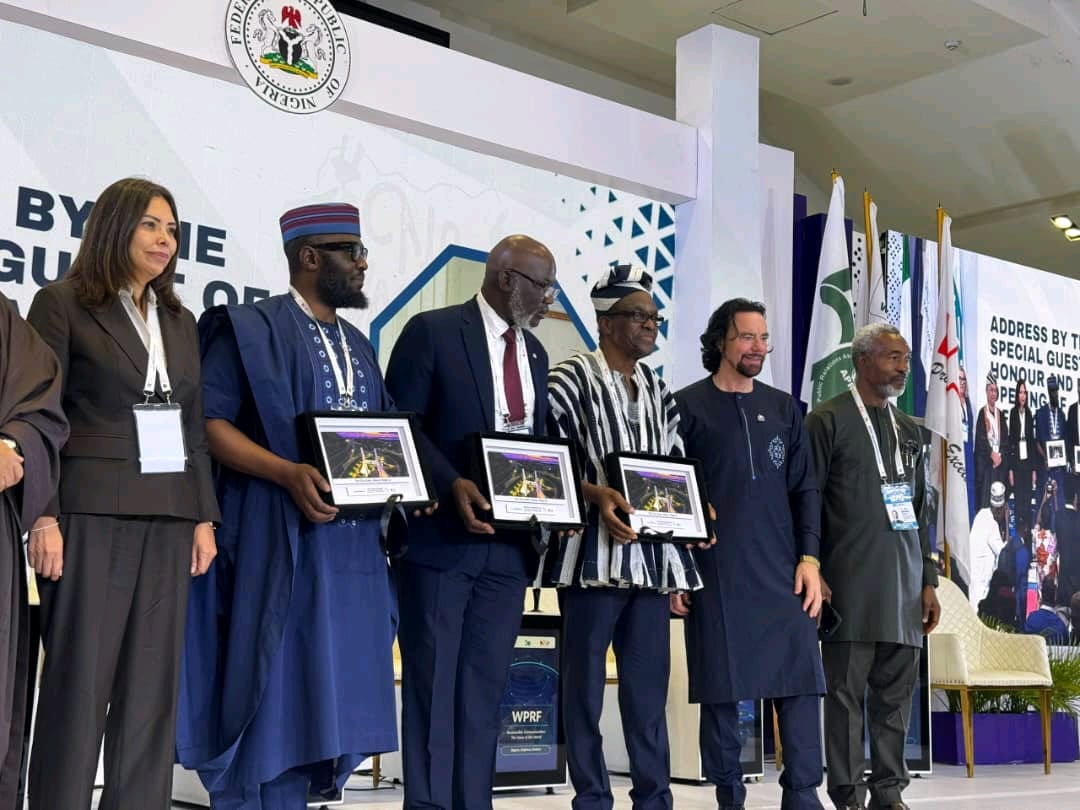
The Speaker of Ghana’s Parliament, Alban Bagbin, made the call during the African Day celebration held on the sidelines of the ongoing World Public Relations Forum, WPRF in Abuja.
Bagbin noted that citizens were indispensable partners in democracy, stressing that their active participation was critical to strengthening governance, promoting accountability and building public trust.
He urged democratic institutions across Africa to establish effective communication channels that would allow citizens to understand, question and contribute to decisions affecting their lives.
“Communication is not simply about transmitting information. It is about building understanding, sustaining trust, and enabling people to participate meaningfully in decisions that affect their lives,” he said.
Speaking on the theme, “Responsible Communication, the Voice of the World,” Bagbin explained that democracy could only thrive when citizens had access to credible information, enjoyed the freedom to express their views responsibly and had opportunities to hold public institutions accountable.
He described Parliament as a bridge between citizens and the executive, noting that lawmakers had a responsibility to ensure that the concerns and aspirations of the people were reflected in national decision-making.
Highlighting Ghana’s parliamentary reforms, he disclosed that Parliament had established several departments and platforms, including the Broadcasting Department, Citizens’ Bureau, Department of Public Engagement and Department of Media Relations, to improve public access to legislative information.
He also identified initiatives such as Parliament TV, Editors Forum, Parliament Connect, Virtual Educational Seats, Citizens’ Focus and Parliament Ayaalolo as measures designed to deepen public participation and improve citizens’ understanding of parliamentary activities.
According to him, the Citizens’ Focus platform allows citizens to engage directly with their elected representatives, while enabling Members of Parliament to sponsor statements on behalf of their constituents.
Bagbin urged African governments to understand that effective governance requires institutions not only to communicate with citizens but also to listen to their concerns.
“The take-home from Ghana’s experience is that our democratic institutions must not only speak to the people. They must also listen to the people,” he said.
He further called for greater African ownership of the continent’s development narratives, stressing that its achievements, challenges, diversity and aspirations should be communicated through authentic African experiences.
He identified transparency, accountability, professional ethics, media and information literacy, and inclusive citizen engagement as essential pillars of democratic governance.
“Transparency should not be treated as a public relations exercise, but as an essential responsibility of all democratic governments,” he added.
Also speaking, the Speaker of Liberia’s House of Representatives, Richard Koon, called for stronger collaboration among African leaders and democratic institutions to improve communication and engagement with citizens.
Koon described communication as the lifeblood of democracy and an essential instrument for building public trust and holding political leaders accountable.
He noted that legislators had responsibilities beyond lawmaking, explaining that they must also communicate their decisions to the people they represent.
He warned that democracy risked becoming disconnected from citizens when they lacked adequate understanding of public spending, legislation and parliamentary oversight.
Calling for a shift from one-way government announcements to regular and respectful public dialogue, he stated that “representation without dialogue is not enough.”
In a related address, the Director-General of Nigeria’s National Orientation Agency (NOA), Lanre Issa-Onilu, said the success of governance reforms depended not only on government policies and institutions but also on the values and conduct of citizens.
Issa-Onilu questioned whether Nigeria could successfully project a positive international image if the conduct of its citizens contradicted the values it sought to promote.
He explained that the National Ethics Policy and National Value Charter were designed to encourage shared responsibilities between leaders and citizens in building a society founded on honesty, discipline and accountability.
“Policies do not implement themselves; people implement them, and their values influence the results,” he said.
The NOA director-general also disclosed that the agency was introducing character-building initiatives for children, including a national hero, Captain Excellence, to promote honesty, discipline, responsibility and good citizenship.
He urged communication professionals to promote truth and responsible citizenship rather than blindly defend government actions or project an image that disregarded reality.
According to him, responsible communication requires acknowledging government achievements, admitting shortcomings and encouraging citizens to demonstrate responsible conduct.
The speakers agreed that sustainable democracy and good governance across Africa depend on informed and actively engaged citizens, transparent institutions and leaders willing to listen to public concerns and be held accountable.

