
By Michael Oche and Adelowo Oladipo
States across the country have intensified public health surveillance and activated emergency response mechanisms following the confirmation of an Ebola Virus Disease (EVD) case in the Federal Capital Territory (FCT), Abuja.
In Niger State, the Ministry of Health has placed its Public Health Emergency Operations Centre (PHEOC) on heightened alert as part of precautionary measures to strengthen surveillance, early detection and rapid response.
This was disclosed in a statement issued by the ministry’s Public Relations Officer, Jibrin Usman Kodo, and made available to journalists on Wednesday in Minna.
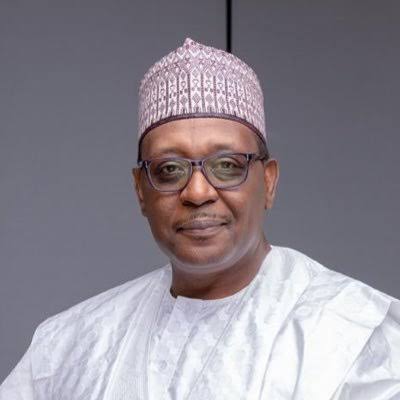
The Commissioner for Health, Dr. Murtala Muhammad Bagana, said the measures were precautionary, reassuring residents that no case of Ebola had been detected in the state.
The development followed a Federal Government announcement on Tuesday, October 20, 2026, confirming an Ebola case involving a traveller who recently arrived from Uganda.
The patient is currently receiving treatment in isolation, while public health authorities are monitoring 44 identified close contacts.
Bagana said the state’s heightened vigilance was necessary given the volume of movement and trade between Niger State and the neighbouring FCT.
He added that the ministry was working with the Nigeria Centre for Disease Control and Prevention (NCDC), the World Health Organisation (WHO) and other partners to ensure the state’s preparedness.
According to him, all public and private health facilities in the state have been directed to report suspected cases immediately.
He said Local Government Disease Surveillance and Notification Officers (DSNOs) and response teams had also been mobilised to strengthen contact tracing, clinical assessment and safe referral procedures.
“Infection Prevention and Control (IPC) measures have been reinforced across all health centres to protect frontline workers and patients,” he said.
The commissioner urged residents to remain calm and observe preventive measures, including regular handwashing with soap and water or the use of alcohol-based hand sanitisers.
He also advised residents to avoid direct contact with the blood and other bodily fluids of anyone showing symptoms of the disease.
Bagana cautioned against spreading unverified information or stigmatising individuals undergoing public health assessment, stressing that living in or travelling to Niger State did not, in itself, constitute exposure to the virus.
Similarly, the Kano State Centre for Disease Control (KNCDC) has activated its Public Health Emergency Operations Centre (PHEOC) following the confirmation of an Ebola case in Abuja.
The centre’s Director-General, Prof. Muhammad Adamu-Abbas, disclosed this in a public advisory issued in Kano on Tuesday, assuring residents that the state was prepared to respond to any eventuality.
“The Federal Government confirmed one case of imported Ebola in Abuja. The patient is already isolated and receiving care. Forty-four people who had close contact with the patient have been identified and are being monitored daily.
“Here in Kano, the KNCDC Public Health Emergency Operations Centre is on high alert. There is no need to panic, but we must all be careful and act quickly,” he said.
Adamu-Abbas urged residents to remain calm and comply with public health guidelines to prevent the possible introduction and spread of the disease.
He advised anyone experiencing symptoms suggestive of Ebola to avoid self-medication or visiting pharmacies and patent medicine shops without guidance from health authorities.
He also cautioned symptomatic individuals against using public transportation, including buses, taxis, tricycles and the locally operated Adaidaita, to reduce the risk of exposing others.
According to the advisory, suspected cases should be isolated in a private room while health officials are contacted for further instructions.
The centre listed possible symptoms of Ebola to include sudden high fever, extreme weakness, severe headache, body and joint pains, sore throat, vomiting, diarrhoea, abdominal pain and unexplained bleeding.
It explained that the virus could spread through direct contact with the blood or bodily fluids of an infected person, particularly when such fluids enter through the eyes, nose, mouth or broken skin. Contact with contaminated clothing, bedding and surfaces could also pose a risk.
For prevention, residents were advised to wash their hands frequently with soap and running water for at least 20 seconds, avoid contact with sick people and their belongings, and refrain from touching the bodies of deceased persons suspected to have died from the disease.
In Ogun, the state government has also heightened surveillance. Dr Tomi Coker, Commissioner for Health disclosed this in a statement on Wednesday in Abeokuta.

