
*to deploy youth observers for Nigeria, Gambia elections
By Michael Oche
The Economic Community of West African States (ECOWAS) has called on political parties across the region to open up their structures to greater youth participation, saying young people remain significantly underrepresented in electoral and political processes despite constituting the majority of the population.
Head of the ECOWAS Electoral Assistance Division, Serigne Mamadou Ka, made the call in Abuja while speaking on barriers to political participation in West Africa.
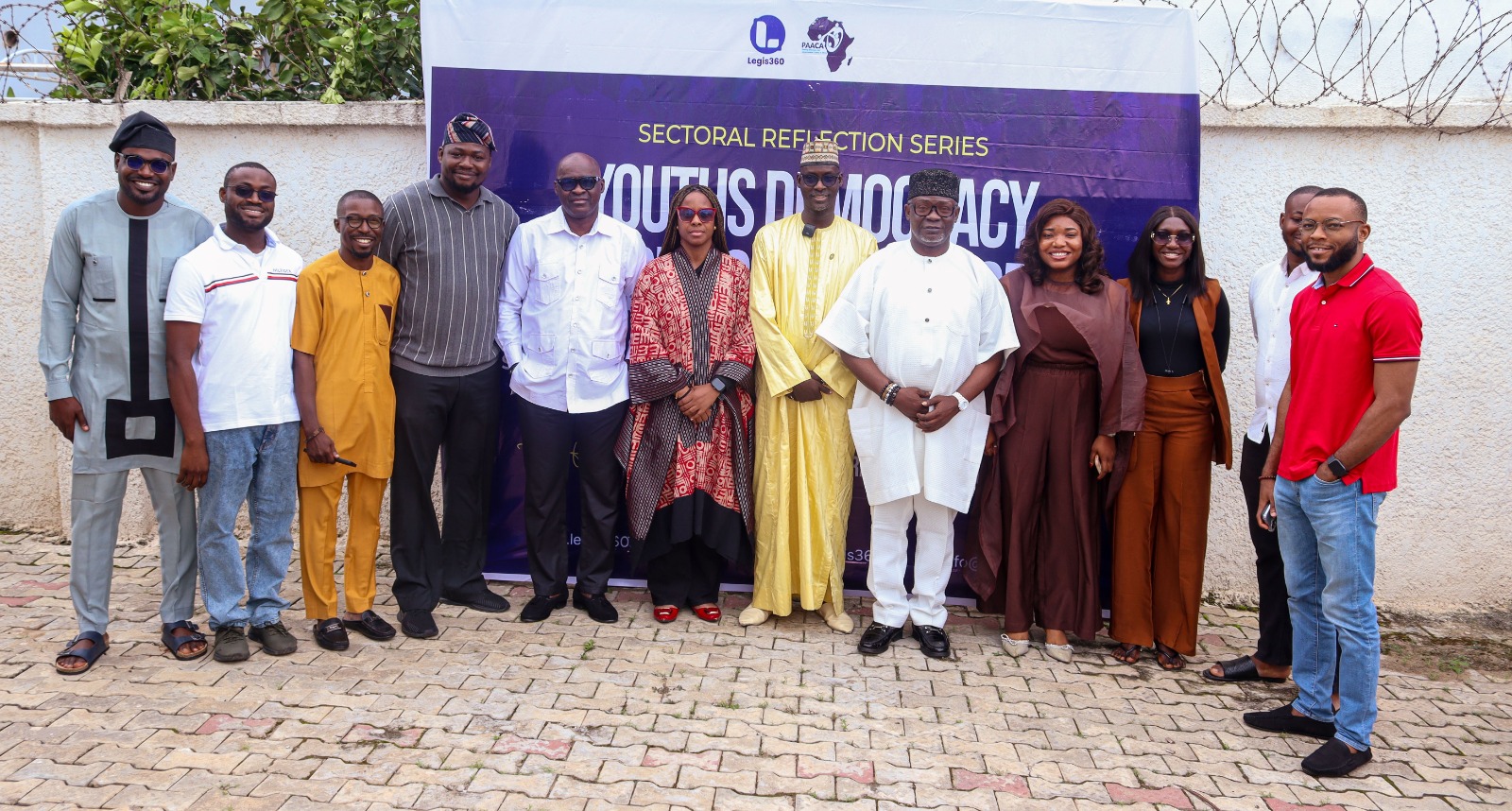
Ka spoke at the 5th edition of the Sectoral Reflection Series on elections and democracy organised by the Peering Advocacy and Advancement Centre in Africa (PAACA) in collaboration with Legis360.
Ka identified lack of access to finance, limited education and training, social and cultural barriers, and weak internal democracy within political parties as some of the factors hindering youth participation in politics.
He said access to finance remained a major challenge, stressing that young people would find it difficult to participate meaningfully in politics without the resources required to engage in the political process.
“There are many barriers. There are social and cultural barriers, and we have gender bias against women and girls, for instance. But I think the nerve of everything is finance,” he said.
“Unless young people can access finance, I don’t think they can do much about political participation,” he added.
According to him, political parties also have a responsibility to create opportunities for young people to participate in their internal structures and processes.
He noted that the inability of young people to participate meaningfully within political parties would ultimately affect their participation at the national level.
Ka said ECOWAS was therefore promoting greater inclusivity, from the party level to the national political space, while encouraging young people to become more organised and committed to advancing their participation.
He also disclosed that ECOWAS was expanding its efforts to involve young people directly in election observation, with plans to deploy youth observers alongside traditional election observation missions.
He said the initiative had already been piloted successfully in Côte d’Ivoire and subsequently repeated in Benin.
According to him, ECOWAS is considering deploying similar youth observation missions to upcoming elections in Cabo Verde in November and The Gambia in December.
He added that Nigeria would also be included in the initiative as the country prepares for its 2027 general elections.
“Definitely, we are not going to leave Nigeria out in January,” he said.
Ka said the initiative was part of ECOWAS’ broader effort to promote youth participation and representation in electoral processes across the region.
He, however, urged young people not to rely solely on institutions and political actors to create opportunities for them, but to organise themselves and take a more active role in demanding inclusion.
“We can push, but we want young people also to be more organised and committed,” he said.
The ECOWAS official said youth participation in elections remained low across West Africa despite young people making up between 50 and 70 per cent of the population in some countries.
He attributed the situation partly to political parties, which he said often failed to provide adequate opportunities for young people to participate.
“As I said, it starts from the political parties themselves. They don’t allow young people to participate. And if they cannot participate within the political parties, how do you expect them to participate at the national level?” he asked.
Ka also said some cultural barriers to youth participation were gradually being reduced by technology, which was enabling young people to learn from political developments and experiences in other countries.
He maintained that increased access to finance, education and training would empower young people to overcome some of the barriers limiting their participation in political processes.
He said ECOWAS would continue to promote inclusivity but stressed that young people themselves must also take responsibility for pushing for greater representation in political parties and electoral processes.
Also speaking on the initiative, Executive Director of PAACA, Chief Ezenwa Nwagwu, said mainstreaming young people into ECOWAS election observation was important in strengthening democratic participation and countering the attraction of authoritarian rule among some young people.
Nwagwu said the Sectoral Reflection Series, at which the discussions took place, was also intended to build on the outcomes of the Youth Democracy Conference in Dakar and examine ways of taking the recommendations forward.
He said the initiative would help integrate young people into an election observation system where they had historically not been sufficiently represented.
“It is also about how to mainstream young people into the election observation network of ECOWAS,” Nwagwu said.
“This has been going on in ECOWAS for as long as possible, but young people have not actually been mainstreamed.”
He said greater youth participation was necessary because democracy provided citizens with the opportunity to influence decisions affecting their lives, unlike military rule where citizens have limited avenues to reject government decisions.
Nwagwu urged young people taking part in election observation to acquire sufficient knowledge of electoral laws and regulations, warning against treating elections as an activity in which anyone could participate without understanding the governing framework.
“The first thing is knowledge. If you invest in knowledge, then you can observe the electoral process according to the regulations and the laws that guide it,” he said.
“Election is a law-guided activity.”
He further urged young observers to familiarise themselves with ECOWAS protocols on youth participation, saying knowledge of the regional instruments could help them build stronger communities and promote inclusion.
On concerns over declining youth participation in elections, Nwagwu disputed the impression that young people were withdrawing from political engagement, arguing that social media activity did not provide a complete picture of youth participation.
“Well, the feeling across Africa is that when you say youth backsliding, it is more of a social media construct,” he said.
Nwagwu argued that while conversations among urban youths on social media could create an impression of widespread apathy, many young people outside major cities continued to participate in politics, political parties and community mobilisation.
“When you step away from the cities and go into the communities, you see young people engaging,” he said.
“So many times, the hijacking of conversations by urban youth gives the impression that there is a backsliding, but there is no backsliding.”
He said young people who were not active on social media should not be excluded from assessments of youth political participation.
“Young people are participating, and they are showing it. Young people are not only those on social media. There are many more young people who are not on social media who are participating, who are involved in politics, political parties and mobilisation,” Nwagwu said.

