
By Michael Oche
The Federal Government, the Lift Above Poverty Organisation (LAPO) and other education and development stakeholders have called for increased investment, improved policies and sustained collaboration to address challenges limiting access to water, sanitation and hygiene (WASH) facilities in Nigerian schools.
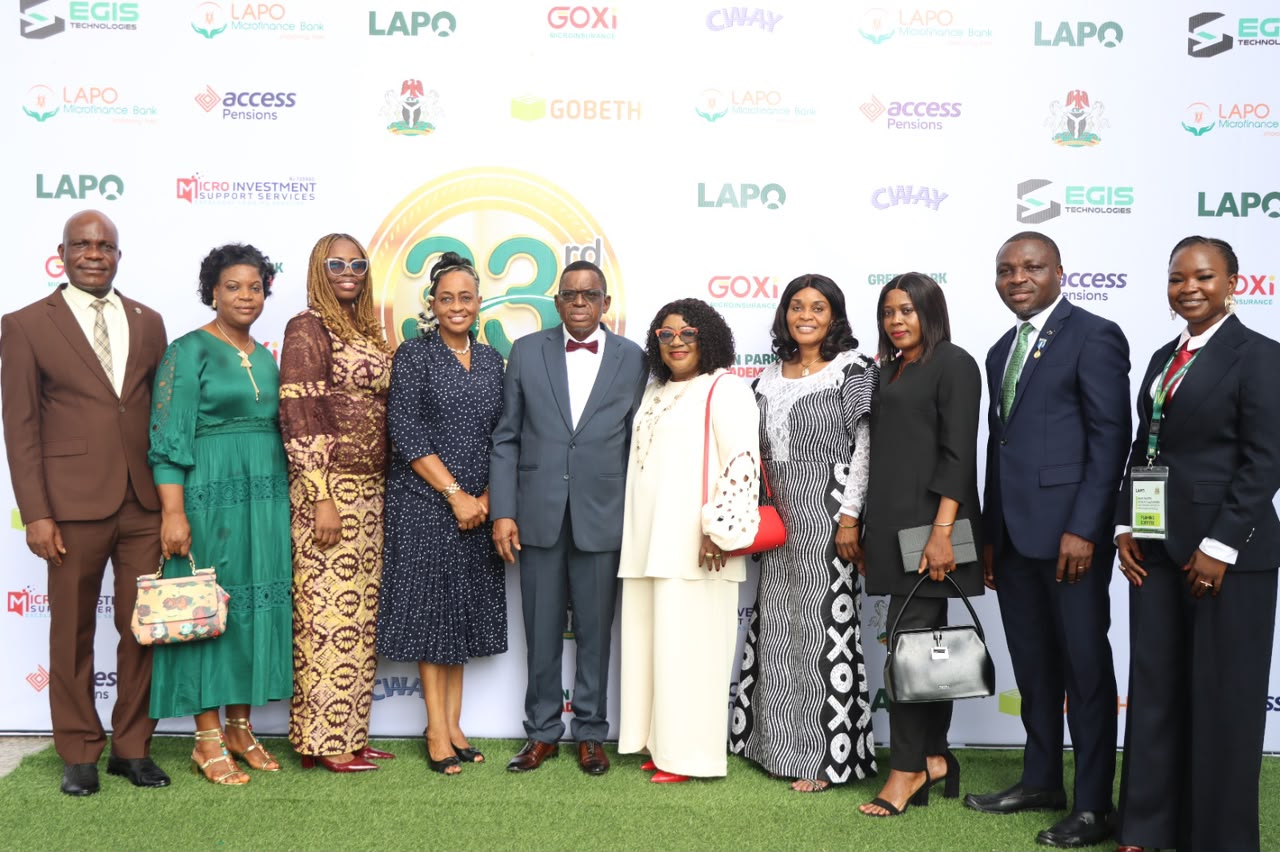
They made the call at the 33rd Annual Development Forum of the Lift Above Poverty Organisation (LAPO), held in Abuja on Thursday, with the theme, “Safe Water, Healthy Learning: Advancing WASH in Nigerian Schools”.
Nigerian Pilot reports that millions of Nigerian schoolchildren lack access to basic water, sanitation and hygiene services, with speakers at the forum identifying inadequate funding, poor maintenance of existing infrastructure, and gender and disability-related barriers as major challenges.
They also highlighted the consequences for children’s health, school attendance and academic performance, while recommending sustainable measures to improve access to WASH facilities across the country.
Speaking on behalf of the Federal Ministry of Education, Mrs Njedeka Dorothy, Head of the Sports and Health Education Division of the ministry’s Department of Education Support Services, said access to safe water, adequate sanitation and proper hygiene was essential to pupils’ health, dignity, school attendance and academic performance.
She stressed the need to promote behavioural change among learners, noting that efforts to improve WASH in schools must go beyond providing facilities to encouraging pupils to adopt good hygiene practices.
“We are very passionate about every action that will translate to behavioural change. When we talk about WASH, it is not just about the facilities; it is about making it translate to behavioural change in our learners,” she said.
Dorothy explained that pupils should understand the importance of handwashing, keeping their surroundings clean and maintaining good personal hygiene to prevent the spread of diseases.
She commended LAPO and its development partners for convening the forum, describing WASH as a multi-sectoral issue requiring coordinated efforts from government institutions, civil society organisations and development partners.
According to her, the Federal Ministry of Education provides leadership in school health through policy development, national coordination and collaboration with state ministries of education, relevant government agencies and other stakeholders.
She identified the ongoing review of the National School Health Policy, originally developed in 2006, as one of the ministry’s key initiatives to strengthen school health and well-being.
Dorothy said the review was necessary to reflect emerging health challenges and ensure that the policy remained relevant to the changing needs of learners.
She also cited Nigeria’s commitment to the regional agenda for educated, healthy and thriving adolescents and young people, signed by ministers of health and education in Brazzaville in 2023, as part of efforts to promote the overall well-being of learners.
She added that national and international standards for health-promoting schools, alongside other health-related programmes, were intended to integrate health, hygiene and well-being into education planning and school management.
However, she acknowledged that inadequate water supply, insufficient sanitation and handwashing facilities, limited funding and poor maintenance continued to undermine access to WASH in schools.
She called for stronger integration of WASH into education planning and budgeting, stressing that providing infrastructure alone would not address the problem unless facilities remained functional, accessible, inclusive and sustainable.
Earlier, the President of LAPO, Mrs Faith Osasuwa, said the forum was designed to promote dialogue and practical solutions to pressing national development challenges.
Citing the 2021 Water, Sanitation and Hygiene National Outcome Routine Mapping (WASHNORM) report, published in June 2022, Osasuwa said only 37 per cent of schools in Nigeria had access to basic water supply services, while 35 per cent had basic sanitation services.
She added that only 30 per cent of schools provided basic hygiene services, including handwashing facilities with soap and water, while about 15 per cent had budgeted funds for maintaining their WASH facilities.“
These are far more than statistics. They represent the daily reality and struggles of millions of Nigerian children,” she said, noting that the absence of clean water, decent toilets and handwashing facilities could expose pupils to preventable diseases, reduce school attendance and disrupt learning.
Osasuwa called for stronger partnerships, increased investment and sustained action to ensure that schools across the country provided healthy learning environments.
“At LAPO, our mission is ‘improving lives’, and we believe that every life matters, regardless of age, status or background. Every child deserves to learn in a safe, healthy and dignified environment,” she said.
The LAPO president added that the organisation remained committed to supporting efforts to improve children’s access to education in environments that protected their health and dignity.
Also speaking, the Chairperson of the LAPO Board of Directors, Dr Oyefemi Obazee, called on government and policymakers to prioritise investments in water, sanitation and hygiene in the education sector, noting that effective implementation, adequate funding and accountability were essential to achieving sustainable results.
She urged school proprietors, administrators and teachers to regard WASH as an integral part of quality education, while encouraging development partners and the private sector to invest in innovative and sustainable solutions, particularly for underserved schools.
She also called on parents, community leaders and students to support good hygiene practices and take responsibility for maintaining clean school environments.
The Co-Chairperson of the occasion and former Minister of Aviation, Osita Chidoka, called for a shift from measuring the number of WASH facilities provided in schools to assessing whether they were functional and accessible to pupils.
Chidoka, who was represented by retired Deputy Corps Marshal Victor Nwokolo, said Nigeria’s major challenge was not only the provision of infrastructure but also the failure to sustain services after projects were completed.
Citing the example of a school in Potiskum, Yobe State, where pupils had gone without water despite the presence of a borehole that had stopped working, he said the situation highlighted the gap between infrastructure delivery and the actual services available to schoolchildren.
He noted that inadequate maintenance arrangements, insufficient funding and unclear responsibility for repairs had continued to undermine the effectiveness of public infrastructure.
Chidoka recommended that every public school should have a clearly designated institution responsible for its water and sanitation services, a dedicated maintenance budget and a public record showing whether its facilities were functioning.
He also called for greater involvement of parents and communities in monitoring school WASH facilities, noting that school-based management committees could help identify faults and ensure that repairs were carried out promptly.
According to him, maintenance arrangements and recurrent funding should be established before construction begins, while development partners should ensure that facilities remain sustainable after donor funding ends.
He urged stakeholders to prioritise the needs of girls, children with disabilities and other vulnerable learners in the design and maintenance of school facilities, stressing that access to safe water and sanitation must translate into services that children could use with dignity.
In her recommendations, the lead paper presenter, Zainab Ibrahim Budah, Senior Learning and Development Specialist in the Sports and Health Education Division of the Federal Ministry of Education, called for the integration of hygiene behaviour education into the national curriculum to encourage good hygiene practices among pupils.
She also recommended the institutionalisation of hygiene clubs and peer education programmes in schools to enable learners to promote proper hygiene practices among their classmates.
Budah further called for the inclusion of WASH behaviour-change initiatives in state and local government budgets, alongside increased government and donor investment in school WASH facilities.
She stressed the need to provide safe, gender-segregated and dignified toilets to address the specific sanitation needs of girls and other learners, while ensuring that school facilities were accessible and inclusive.

