
By Michael Oche
The Federal Government has said it is commitment to the successful conclusion of the Collective Bargaining Agreement (CBA) in the health sector, stressing that the ongoing job evaluation exercise is critical to achieving a fair, evidence-based and sustainable remuneration structure for health professionals.
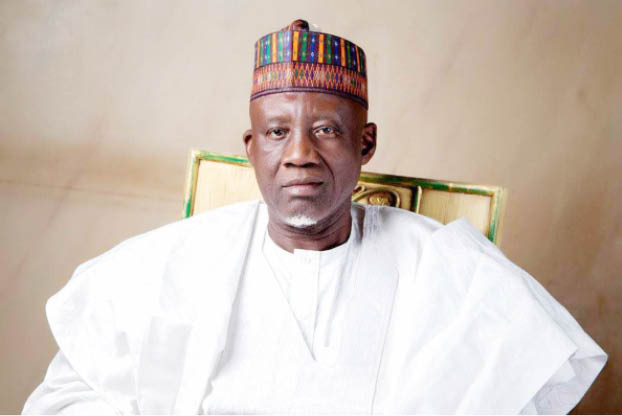
The commitment was reiterated at a meeting of the Government Side of the ongoing Health Sector CBA negotiations, chaired by the Honourable Minister of Labour and Employment, Dr Mohammed Maigari Dingyadi, alongside the Honourable Minister of State for Health, Dr Iziaq Salako.
This was contained in a statement by Annah Daniel, Head of Press and Public Relations at the ministry of labour and employment.
According to the statement, Dingyadi said the decision to prioritise job evaluation was aimed at providing an objective basis for determining the relative worth, responsibilities, skills, qualifications and working conditions associated with the various health professions and cadres in the Public Service.
He explained that the exercise was particularly important in view of the differing positions and historical agreements involving various health professional groups, which had contributed to longstanding issues of relativity, parity and salary structures within the sector.
The Minister said the National Salaries, Incomes and Wages Commission (NSIWC) was undertaking the job evaluation exercise to establish appropriate placement for health professionals and cadres, adding that its outcome was expected to provide a credible basis for subsequent discussions on salary adjustments and other outstanding issues under the CBA.
According to him, the government considers it necessary to allow the technical process to run its course rather than take decisions that could create fresh disparities or further complicate industrial relations in the health sector.
He emphasised that job evaluation should not be interpreted as a postponement or abandonment of collective bargaining, but as a strategic step designed to strengthen the bargaining process with objective data and ensure that eventual agreements are equitable, transparent and sustainable.
The Minister recalled that the Health Sector Collective Bargaining Committee was formally inaugurated in August 2025 to provide a structured platform for engagement with the Nigerian Medical Association (NMA), Joint Health Sector Unions (JOHESU), National Association of Nigerian Nurses and Midwives (NANNM), and other stakeholders.
He noted that the negotiations cover remuneration, working conditions, professional development and welfare, adding that the government remained committed to addressing the concerns of health workers within the framework of constructive dialogue and collective bargaining.
The Federal Government recognises the invaluable contributions of doctors, nurses, pharmacists, laboratory scientists, radiographers, physiotherapists and other health professionals to the nation’s healthcare system and remains committed to ensuring that their welfare is addressed within a framework that promotes equity, industrial harmony and uninterrupted healthcare delivery.
The government also reiterated that dialogue and collective bargaining remain the preferred mechanisms for resolving outstanding issues in the health sector, urging all parties to approach the process in good faith and with a shared commitment to finding lasting solutions.
The Federal Government assured health workers and the Nigerian public that the CBA process remains an important component of its efforts to strengthen industrial relations, improve workforce welfare and build a more stable and effective health system.

