
By Ere-ebi Agedah Imisi
Nutrition experts, government officials, development stakeholders and civil society organisations have called for renewed and coordinated action to tackle the growing burden of anaemia in Nigeria, with emphasis on improved nutrition, research, public awareness and stronger implementation of evidence based interventions.
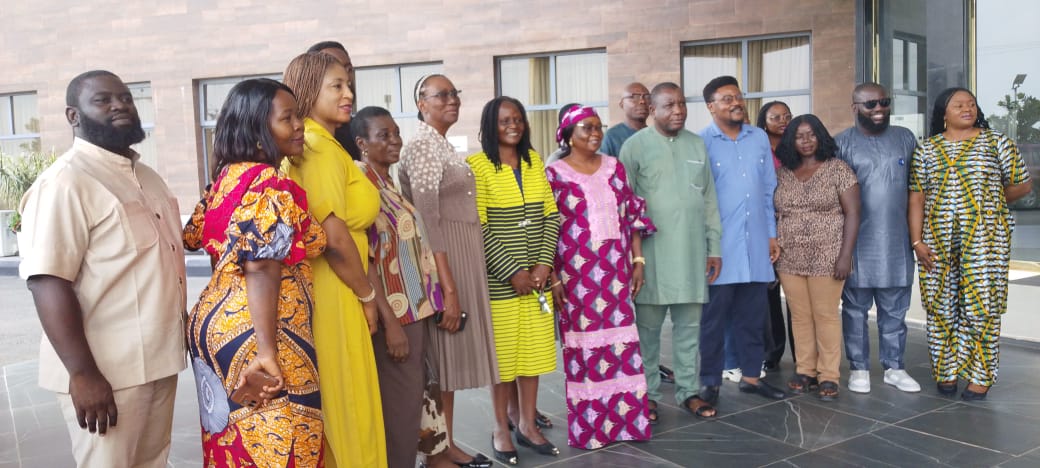
The call was made on Tuesday in Abuja at the Bi-Annual Press Briefing on the Anaemia Situation in Nigeria, organised to raise public awareness about the causes, consequences and prevention of anaemia and to strengthen national commitment towards addressing the condition.
Opening the briefing, Peter Olushola, Communication and Campaign Manager, Civil Society-Scaling Up Nutrition in Nigeria (CS-SUNN), said the media and other stakeholders have an important role to play in ensuring that anaemia receives the attention it deserves as a major public health and nutrition concern.
Olushola stressed that addressing anaemia requires more than medical treatment, noting that the condition is closely linked to nutrition, food security, infections, maternal health and access to quality healthcare.
He called for sustained public education to help Nigerians understand the causes of anaemia, recognise its symptoms early and adopt healthy dietary and healthcare practices.
Delivering the keynote address, Prof. Kola Matthew Anigo of the University of Abuja, National Coordinator, Academic and Research Network for Scaling Up Nutrition in Nigeria, emphasised the importance of research and evidence in tackling anaemia.
Prof. Anigo noted that anaemia remains a complex nutritional and public health challenge requiring a comprehensive approach that addresses its underlying causes rather than focusing solely on treatment.
He advocated stronger collaboration among universities, research institutions, government agencies, health professionals, civil society organisations and development partners to generate and apply reliable evidence in designing effective anaemia interventions.
According to him, research should inform policies and programmes aimed at improving dietary diversity, micronutrient intake, maternal and child health, disease prevention and access to appropriate healthcare.
He further urged stakeholders to strengthen monitoring and evaluation mechanisms so that interventions could be measured and improved based on their impact.
In her goodwill message, Adegbite Olufunmi, Director of Nutrition, Federal Ministry of Health, reaffirmed the ministry’s commitment to improving nutrition outcomes and strengthening efforts to reduce anaemia in Nigeria.
Olufunmi highlighted the importance of nutrition interventions across different stages of life, particularly among vulnerable groups, including women and children.
She said tackling anaemia requires a coordinated response involving government institutions, communities, healthcare workers, development partners, civil society and the private sector.
She also encouraged Nigerians to pay greater attention to balanced diets, early healthcare seeking and preventive measures, stressing that increased awareness would contribute significantly to reducing the impact of anaemia.
Nigeria Health Watch calls for stronger partnerships
Also delivering a goodwill message, Emeka Oguanuo, Senior Partnership Officer, Nigeria Health Watch, called for stronger partnerships and strategic communication to ensure that information about anaemia reaches Nigerians at the grassroots.
Oguanuo stressed that public health messages must be clear, accessible and translated into practical actions that families and communities can adopt.
He said the media has a critical responsibility to amplify credible health information, counter misinformation and keep anaemia and other nutritionBrelated challenges on the national agenda.
He urged stakeholders to work together to build a stronger communication ecosystem capable of reaching vulnerable populations, particularly in communities where access to reliable health information remains limited.
In another goodwill message, Christiana Yunanah, Assistant Director, representing the Director of Nutrition, Federal Ministry of Budget and Economic Planning (FMBEP), reaffirmed the importance of sustained government investment in nutrition programmes.
Yunanah emphasised that nutrition should remain an integral part of national development planning because poor nutrition can affect health, learning, productivity and overall economic development.
She called for stronger coordination among relevant ministries, departments and agencies to ensure that nutrition interventions are adequately prioritised, funded and effectively implemented.
According to her, addressing anaemia requires a whole of government and whole of society approach, with sustained commitment to policies and programmes capable of producing measurable improvements in the health and wellbeing of Nigerians.
Stakeholders urge Nigerians to take anaemia seriously
The speakers agreed that anaemia should not be treated as an isolated health issue, but as a challenge requiring action across the nutrition, health, education, agriculture, social protection and economic sectors.
They stressed the need for increased awareness of anaemia, improved access to nutritious foods, stronger maternal and child health services, effective prevention and treatment of infections, and continued investment in research and evidence-based interventions.
The briefing also underscored the importance of collaboration between government and non-governmental stakeholders in ensuring that national nutrition policies translate into tangible improvements at the community level.
Stakeholders therefore called on the media to sustain public enlightenment on anaemia and provide Nigerians with accurate, evidence-based information on prevention, early detection and appropriate treatment.
They also urged policymakers to maintain anaemia reduction as a priority within Nigeria’s broader nutrition and public health agenda.
The bi-annual press briefing provided an opportunity for experts, government representatives, civil society and health communication stakeholders to assess the anaemia challenge, strengthen advocacy and encourage greater public participation in efforts to improve nutrition and health outcomes across Nigeria.

