
By Palma Ileye
Nigeria Immigration Service (NIS) and Lagos State University (LASU) have partnered with the African Borderlands Research Network (ABORNE) to deepen research, policy and security approaches to borderland governance across Africa.
The partnership was highlighted at the 2026 Annual Conference of ABORNE, held in Lagos from August 24 to 28, with the theme, “The Connected Borderlands, Socio-Cultural Integration, and the Centrality of Policy, Research, and Security.”
The conference brought together policymakers, academics, security practitioners and borderland scholars to examine how research, technology, policy and security can be integrated to promote safer, more connected and resilient African borderlands.
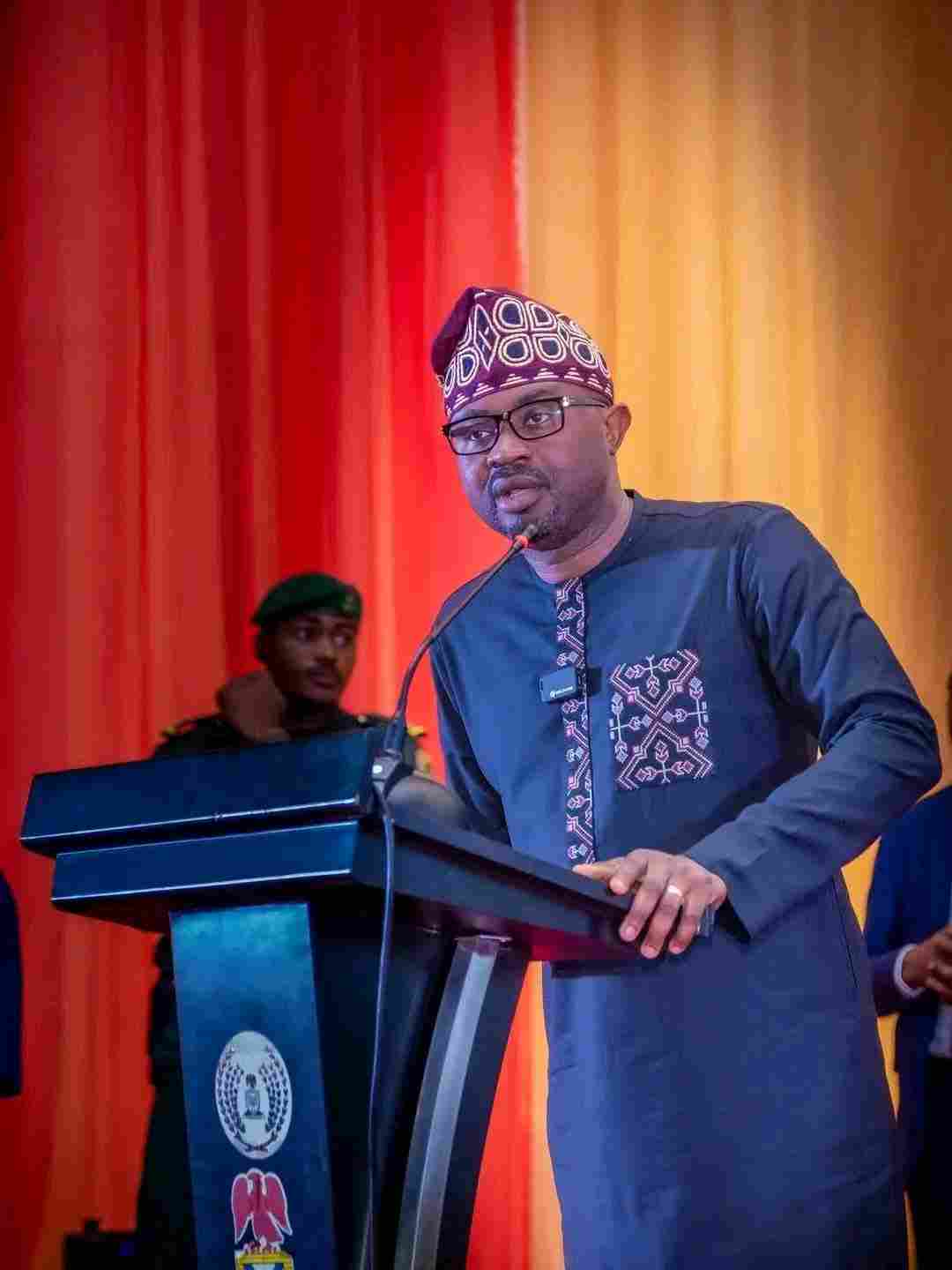
Representing the Minister of Interior, Dr. Olubunmi Tunji-Ojo, at the opening ceremony, the Senior Policy Adviser to the Minister, Dr. Kareem Olakoju, reaffirmed the strategic importance of effective border governance to Nigeria’s security and migration framework.
Olakoju said stronger institutional partnerships were necessary to address the complex challenges associated with human movement, security and development across Africa’s border regions, while declaring the conference open.
In her welcome address, the Comptroller-General of Immigration, Kemi Nanna Nandap, said Nigeria had continued to play a leading role in the modernisation of border management on the continent.
Nandap recalled that Nigeria pioneered Africa’s first electronic passport in 2007 and had since introduced enhanced e-Passports, contactless biometric passport services and Automated Border Control systems.
She noted that borders should not be viewed merely as lines separating countries but as dynamic spaces where people, communities, economies and cultures interact.
According to her, the NIS was also strengthening intelligence sharing, cybersecurity, surveillance, command and control capabilities, capacity building and research as part of efforts to develop safe, connected and resilient borderlands.
She stressed the importance of research and evidence-based approaches in addressing emerging challenges in border management.
The Vice-Chancellor of LASU, Prof. Folashade Tolulope Ogunsola, said the university was committed to producing research capable of responding to the realities of Africa’s border communities.
Ogunsola described borderlands as living spaces shaped by interaction, identity, mobility and exchange, stressing that effective border governance required stronger collaboration between research institutions, policymakers and practitioners.
Also, the Lagos State Governor, Babajide Olusola Sanwo-Olu, represented by the Commissioner for Tertiary Education, Tolani Sule Akibu, reaffirmed the state government’s commitment to supporting platforms that promote research, regional cooperation and practical solutions to migration and border-related challenges.
Chairman of the ABORNE Chiefs, Prof. Paul Nugent, and veteran border scholar, Prof. Anthony I. Asiwaju, also called for closer links between research, policy and practice in understanding and managing Africa’s borderlands.
Nugent emphasised the need for evidence-based approaches to border governance and regional cooperation.
In his keynote address, titled “20 Years After CIUDAD JUAREZ: ABORNE Ship Berths in Lagos,” Asiwaju reflected on the evolution of African border studies and highlighted the significance of bringing the ABORNE conference to Lagos.

