
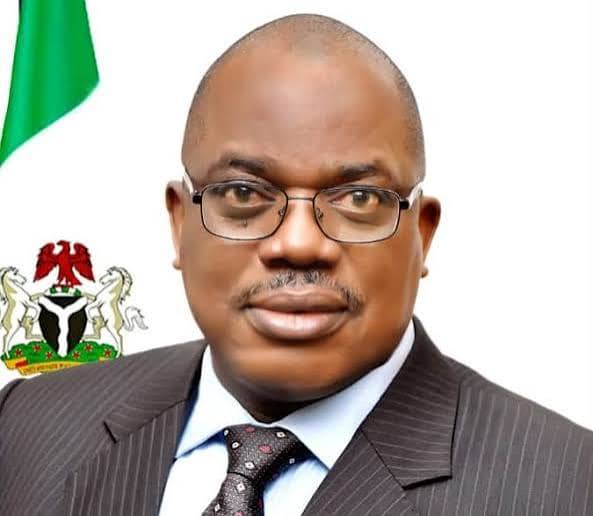
Public service is often judged not by the length of time spent in office but by the quality of impact made while there. By that standard, Mr. Olusade Adesola stands tall among the most accomplished public servants of his generation. His retirement from the Federal Capital Territory Administration (FCTA) in January 2024 after 40 months as Permanent Secretary marked the end of an era and left a vacuum that many within the civil service still feel today.
In a bureaucracy often criticized for resistance to change, Adesola distinguished himself as a reform-minded administrator who combined discipline, innovation, and empathy in the discharge of his responsibilities. His tenure at the FCTA was defined by a commitment to modernizing public service operations, improving revenue generation, enhancing staff welfare, and laying the foundation for a more efficient and accountable administration.
When he assumed office on September 2, 2020, Nigeria and indeed the world were grappling with the devastating effects of the COVID-19 pandemic. Government institutions were under tremendous pressure to maintain essential services while protecting public health. It was in the midst of this uncertainty that Adesola, working alongside then FCT Minister Muhammad Musa Bello and Minister of State Dr. Ramatu Tijani Aliyu, helped steer the FCT bureaucracy through one of the most difficult periods in modern history.
Rather than merely managing the crisis, he used the period to drive reforms that would outlive his tenure. One of his most notable contributions was his unwavering commitment to digital transformation. Recognizing that the future of governance lay in technology-driven processes, he championed the digitalization of key government services and invested heavily in staff capacity building. More than 3,000 FCTA workers benefited from digital skills training under his leadership, preparing the workforce for a future in which government operations would increasingly rely on electronic systems.
His reform agenda extended beyond technology. Adesola introduced and sustained quarterly revenue review meetings involving revenue-generating agencies within the FCTA. The results were remarkable. Internally Generated Revenue witnessed a steady and impressive rise, growing from about N102 billion in 2020 to over N230 billion by the end of 2023. Such growth did not happen by chance; it was the product of deliberate policy measures, improved coordination, and enhanced accountability.
Equally significant was his decision to harmonize revenue collection processes across the six Area Councils through the FCT Internal Revenue Service. This move reduced inefficiencies, eliminated unnecessary dependence on consultants, and ensured that more public funds were available for developmental purposes. It was a practical demonstration of how administrative reforms can translate into tangible benefits for citizens.
Adesola’s impact was also felt at the national level. As Chairman of the committee that reviewed the Public Service Rules and Financial Regulations, he contributed to shaping the future of Nigeria’s civil service. The incorporation of Performance Management Systems into annual appraisals and the introduction of paternity leave provisions reflected his progressive outlook and commitment to creating a more responsive public service framework.
What perhaps endeared him most to civil servants was his dedication to fairness and professionalism. Under his watch, staff promotions became more regular, while promotion benefits were paid as and when due. This represented a significant departure from previous practices where workers often waited years to enjoy the benefits of career advancement. Such actions boosted morale and reinforced confidence in the system.
Like many reformers, Adesola faced criticism and resistance. Some opposed his efforts to restructure training expenditures and eliminate entrenched practices that had long benefited a privileged few. Yet history often vindicates those who are willing to make difficult decisions in pursuit of institutional progress. Today, many of the reforms that initially attracted criticism are widely acknowledged as necessary steps toward building a more efficient administration.
His introduction of the Citizens Engagement Application, which expanded opportunities for public participation in governance, further demonstrated his belief that government should remain accessible and accountable to the people it serves. It reflected an administrator who understood that effective governance is strengthened when citizens are given a voice.
Perhaps the greatest testament to Adesola’s leadership was the respect he earned from those who worked with him. Tributes from senior management staff, labour leaders, traditional rulers, and ordinary civil servants painted the picture of a leader who was firm yet approachable, disciplined yet compassionate. The nickname “Gentle Giant,” bestowed upon him by admirers, captured this unique blend of strength and humility.
His retirement also coincided with a significant transition in the FCTA. With plans for the establishment of a commission that would fundamentally alter the administrative structure of the FCT bureaucracy, Adesola became one of the last Permanent Secretaries to oversee the entire machinery of the administration. In many ways, his departure symbolized the closing of a historic chapter in the governance of the nation’s capital.
Born on March 18, 1964, and honoured with the national award of Member of the Order of the Niger (MON), Olusade Adesola leaves behind a legacy built on integrity, innovation, and service. His 35 years in the Nigerian civil service and 40 months at the helm of the FCTA offer valuable lessons on how effective leadership can transform public institutions.
As Nigeria continues its quest for a more efficient and productive public service, the contributions of administrators like Olusade Adesola deserve recognition. His career reminds us that true leadership is not measured by power or position, but by the positive and lasting impact one leaves behind.
For many within the Federal Capital Territory Administration and beyond, Adesola’s retirement was not merely the departure of a Permanent Secretary. It was the exit of an exceptional administrator whose vision, reforms, and commitment to excellence continue to resonate. Indeed, he remains one of those rare civil servants whom the system misses the most.
Johnson, A Public Affairs Analyst and Publisher writes from Abuja

