
By Michael Oche
The Tinubu Support Group (TSG) has attributed the increase in national revenue to the financial management policies of President Bola Tinubu’s administration, citing the generation of over ₦21.6tn in the first half of 2026.
The group said the revenue growth reflected the impact of fiscal reforms and efforts to strengthen the country’s revenue collection system.
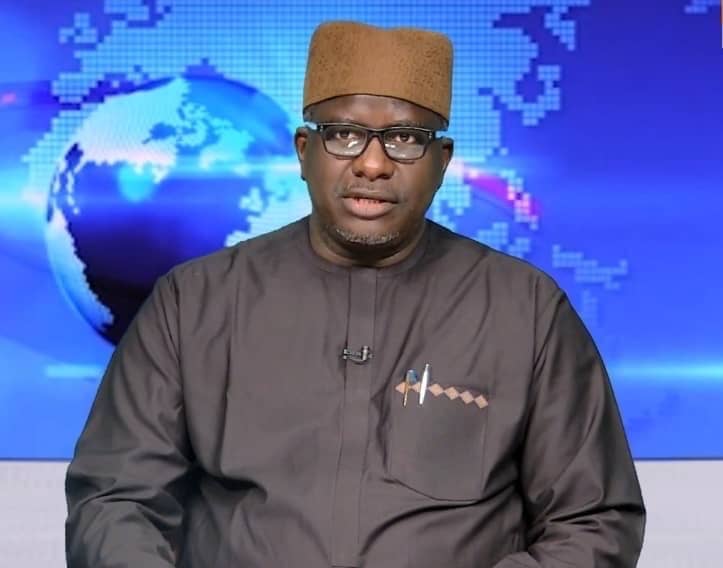
The Director-General of TSG, Dr Umar Tanko Yakasai, stated this in a statement issued in Abuja on Monday, describing the revenue performance as a significant development in the Federal Government’s efforts to improve its finances.
Recent report indicates that Nigeria’s tax revenue rose to ₦16.80tn in the first five months of 2026, up from ₦10.60tn recorded in the corresponding period of 2025.
Ya6 said the increase of ₦6.2tn represented substantial year-on-year growth, which he attributed to the administration’s fiscal reforms and the implementation of the new tax laws.
The TSG director-general commended the leadership and staff of revenue-generating agencies, particularly the Nigeria Revenue Service, formerly the Federal Inland Revenue Service, for their roles in improving revenue collection.
He noted that the transition from FIRS to NRS on January 1, 2026, formed part of the Federal Government’s tax reform agenda aimed at improving efficiency, strengthening revenue mobilisation and digitising tax administration.
The TSG director-general said the reforms were designed to broaden the government’s revenue base and reduce fragmentation in revenue collection.
He added that the Nigeria Revenue Service (Establishment) Act, 2025, provided the legal framework for the new agency, which is expected to improve the collection of tax and non-tax revenues.
Yakasai also pointed to the appointment of Dr Taiwo Oyedele as Coordinating Minister of the Economy and Minister of Finance, succeeding Chief Wale Edun, as an indication of the administration’s commitment to its fiscal reform agenda.
“The transition speaks to the fact that President Bola Tinubu is focused, deliberate and intentional about expanding the revenue base, without which significant infrastructure development cannot take place,” the group said.
The TSG further said the increase in national revenue had translated into higher allocations to states and local governments through the Federation Account Allocation Committee.
According to the group, the growth in statutory allocations has improved the financial capacity of subnational governments, placing greater responsibility on them to improve the welfare of residents.
It urged state and local governments to prioritise poverty reduction, infrastructure development and social welfare to ensure that Nigerians feel the benefits of the Federal Government’s reforms.
The statement added that increased revenue allocations should be accompanied by effective spending and policies that address the needs of citizens.
“With over 14.3 per cent increase in distributable revenue, it is clear that the subnationals are getting more than they previously received,” the group said.
It also cited concerns over poverty raised by the World Bank, urging state governments to heed President Tinubu’s calls to prioritise the welfare and wellbeing of residents.
The group maintained that because a large proportion of Nigerians live in the 36 states of the federation, state and local government policies would be critical to translating increased revenue into improved living conditions.
It said effective use of the additional allocations would help reduce poverty and enable citizens to experience the benefits of the administration’s fiscal reforms.

