
By Palma Ileye
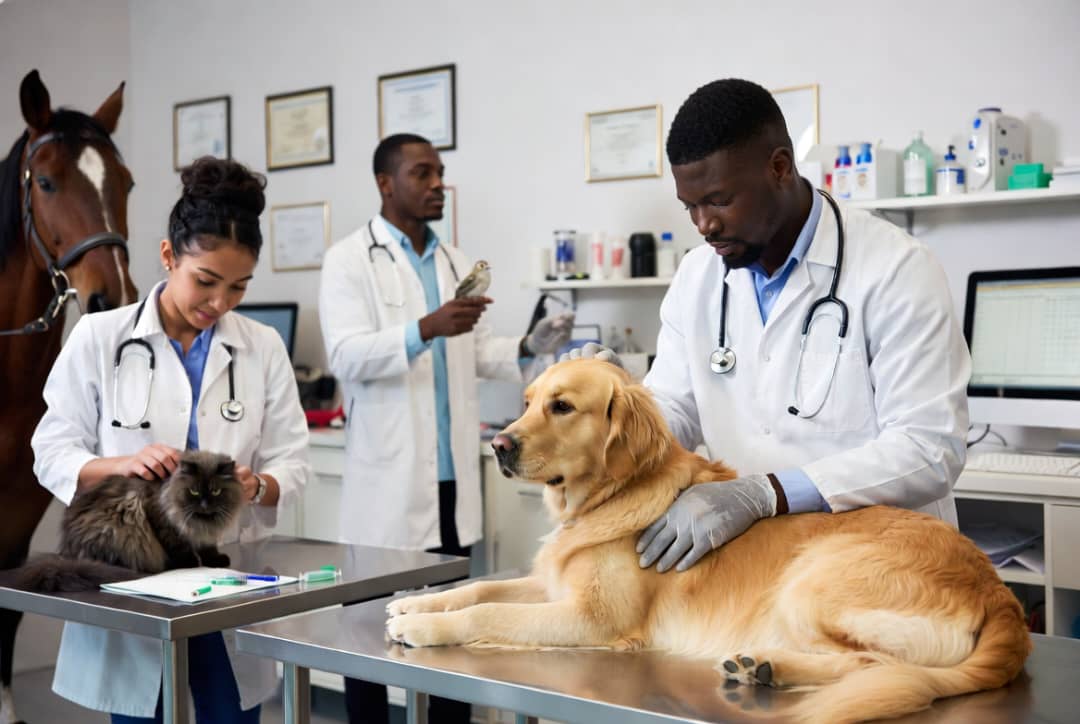
In every thriving economy, there are institutions whose contributions often go unnoticed but are fundamental to national development. The Veterinary Council of Nigeria (VCN) is one such institution. While many associate veterinary medicine solely with the treatment of animals, its impact extends far beyond animal healthcare. Through regulation, professional standards, and quality assurance, the Council contributes significantly to Nigeria’s economic growth, food security, public health, and sustainable development.
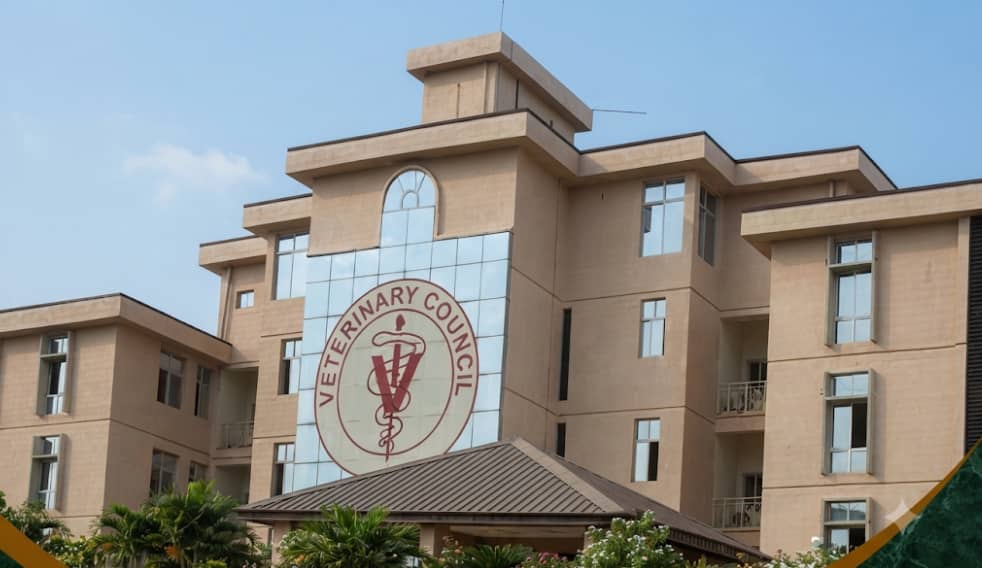
Established under the Veterinary Surgeons Act, CAP V3, Laws of the Federation of Nigeria, 2004 (as amended), the Veterinary Council of Nigeria is the statutory body responsible for regulating veterinary education, registering qualified veterinary surgeons, licensing veterinary premises, and ensuring ethical professional practice across the country.
Nigeria’s livestock industry contributes substantially to agriculture and supports millions of livelihoods. Healthy livestock translate into increased productivity, higher incomes for farmers, and improved national food security. By ensuring that only qualified professionals provide veterinary services, the Council safeguards the health and productivity of the nation’s animal resources.
The Council also plays a critical role in protecting public health. Many infectious diseases, including rabies, avian influenza, anthrax, and brucellosis, can spread from animals to humans. Through effective regulation and collaboration with relevant stakeholders, the Council promotes disease surveillance, preventive healthcare, and responsible veterinary practices that reduce the risk of zoonotic disease outbreaks.
A strong veterinary regulatory system also strengthens Nigeria’s agricultural value chain. Healthy animals produce safer meat, milk, eggs, and other animal products. This enhances consumer confidence, improves food safety, and supports domestic and international trade. Compliance with veterinary standards is increasingly becoming a prerequisite for access to regional and global markets.
Beyond regulation, the Veterinary Council of Nigeria promotes continuous professional development for veterinary practitioners, ensuring they remain updated with emerging technologies, modern disease control strategies, and international best practices. This commitment to capacity building enhances the quality of veterinary service delivery nationwide.
The Council’s regulatory activities also create an enabling environment for investment in livestock production, veterinary pharmaceuticals, animal feed production, research, and related industries. As confidence in professional standards grows, investors are more willing to participate in the sector, creating employment opportunities and stimulating economic growth.
Furthermore, veterinary regulation supports national efforts toward achieving food security, poverty reduction, and improved rural livelihoods. Livestock remains one of the most valuable assets for millions of households, particularly in rural communities. Protecting animal health ultimately protects household incomes and strengthens community resilience.
As Nigeria pursues economic diversification beyond oil, agriculture and livestock development remain critical growth sectors. The Veterinary Council of Nigeria occupies a strategic position in ensuring these sectors are supported by competent professionals, sound regulation, and high ethical standards.
Economic growth is not driven by infrastructure and finance alone. It is equally sustained by institutions that protect public trust, promote professional excellence, and safeguard national resources. The Veterinary Council of Nigeria continues to fulfil this mandate by strengthening veterinary practice, protecting animal and public health, and contributing meaningfully to national development.
A stronger veterinary profession ultimately translates into a stronger agricultural sector, healthier communities, safer food systems, and a more resilient Nigerian economy.

