
By Godwin Ogar
October 15 every year is marked globally as Vikings Day by members of De Norsemen Kclub International (DNKI), popularly known as Vikings. What began in Nigeria in the early 1980s as a confraternity inspired by Norse mythology and the worship of Odin, the one‑eyed god, has spread across the world. Today, DNKI members celebrate openly in black and red attire, their primary and secondary colours, with ceremonies held not only in Nigeria but internationally.
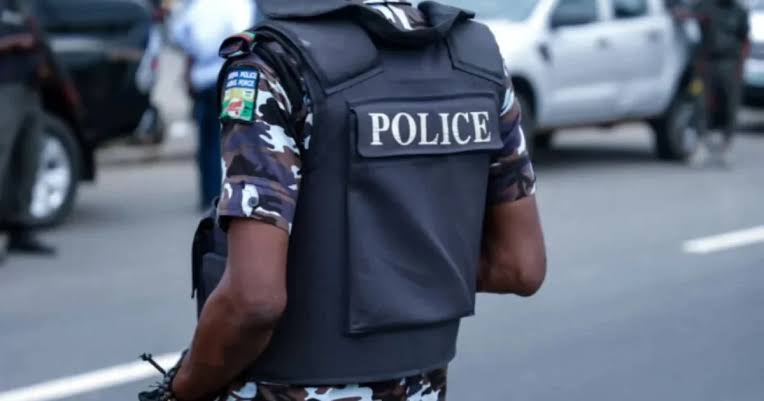
This year’s anniversary in Rivers State drew sharp reactions after members of the DNKI unveiled the renovation of a section of the Abuloma Police Station in Port Harcourt. Videos and photos showed confraternity members gathered at the station to commission the project, sparking outrage from the state’s Commissioner of Police, CP Olugbenga A. Adepoju.
The Rivers State police boss immediately queried and relieved the Divisional Police Officer in charge of Abuloma Division and the officer overseeing the outpost, pending investigation. In a statement, Police Public Relations Officer ASP Agabe Blessing Kaborlo condemned the act, stressing that police facilities “must not become platforms through which criminal groups seek public validation or influence.”
Adepoju ordered a full investigation into how suspected cult members financed and facilitated the renovation, whether due procedures were followed, and if any officers compromised professional standards. While acknowledging that Section 26(1)(d) of the Nigeria Police Act 2020 allows legitimate community support for police facilities, the Command insisted that such support must not come from known cult groups.
The police reiterated that they would not condone unprofessional conduct or improper association with criminal elements, calling on personnel to uphold discipline, integrity and accountability.
The incident has reignited public debate. Many Nigerians are asking why the police punished officers who accepted the renovation but did not arrest or prosecute the Vikings members themselves, despite their identities being openly displayed.
To the Vikings, the renovation may have been a gesture of humanitarian service. To the police, it was support from an unworthy source. To the public, it looked like a compromise of police integrity or even a bribe to shield cultists from prosecution. Nigerians are now demanding clarity: how can a cult group that the police are supposed to fight be the same group renovating a police station?
The Supreme Vikings Confraternity (SVC), also known as DNKI, was founded between 1982 and 1983 at the University of Port Harcourt by students including Rising Angel De Chamelus, Eric De Red, Captain Troppence Njamena, Shaka D Zulu and Bakana D Butcher. It was registered with the Corporate Affairs Commission in 1993 as a non‑governmental organisation, with its international headquarters in Port Harcourt, the same city where the police station renovation took place.
The group claims inspiration from Norse mythology and Odin, making it difficult to outlaw them under freedom of worship provisions. Members publicly display mottos such as “Service to Humanity” and maritime‑themed creeds like “Who Dares Wins.” Their identity includes black and red colours, and they greet each other with the term “Aro‑mate.”
Their structure is visible: Platoon (junior tier, led by a Pilot), Submarine (graduate/town‑based tier, led by a Governor), and Deck/Supreme Vikings (core fraternity tier, headed by the Skull Executioner, supported by officers like the Axeman, Strike Chief, Duff Man and Intel Chief). Originally formed to fight oppression and intimidation in universities, the group has since been linked to violent activities across Nigeria and beyond.
While Rivers police faced criticism for not arresting DNKI members, the Delta State Police Command reported a major crackdown during the same anniversary period. On October 15, coordinated operations across Asaba, Agbor, Ughelli South and Okpe led to the arrest of 95 suspected cultists, including Vikings members.
According to spokesperson Bright Edafe, police recovered firearms, cartridges and cult insignia during raids. In Asaba alone, 67 suspects were arrested at a hotel where Vikings members were gathered for an anniversary celebration. More suspects were picked up in Agbor, Ughelli South and Okpe, with exhibits including pump‑action guns, locally fabricated weapons, live cartridges and branded cult jackets.
The arrests were ordered by CP Samuel E. Erale, underscoring a tougher stance in Delta compared to Rivers.
The renovation of Abuloma Police Station by DNKI members highlights a troubling paradox. To the Vikings, it may have been a gesture of humanitarian service. To the police, it was support from an unworthy source. To the public, it looked like a compromise of police integrity or even a bribe to shield cultists from prosecution.
Why did Rivers police stop at disciplining officers instead of confronting the confraternity itself? Is it because Port Harcourt is the Vikings’ headquarters and the police were overwhelmed? Or is there a deeper issue of influence and fear?
The controversy leaves lingering questions about the balance between community support, police independence and the fight against cultism in Nigeria. Nigerians are demanding honest answers: why would a cult group that the police are supposed to fight be allowed to renovate a police station? Why did Rivers police shy away from arresting members whose identities are not hidden, while their counterparts in Delta carried out mass arrests?
Until these questions are addressed, the incident will remain a symbol of the uneasy relationship between law enforcement and confraternities in Nigeria, a relationship that challenges the credibility of the police and raises concerns about the future of public safety.
The DNKI’s ability to operate openly despite being widely regarded as a cult group underscores a broader challenge in Nigeria’s fight against cultism. Unlike other secret societies that conceal their identities, DNKI members often display theirs proudly, wearing insignia, chanting slogans and celebrating anniversaries in public. This visibility makes them easy to identify, yet arrests are inconsistent across states.
In Rivers, where the group’s headquarters is located, their influence appears stronger, possibly deterring police from direct confrontation. In Delta, however, police demonstrated a willingness to crack down, arresting nearly a hundred suspects in one day. This disparity raises questions about regional differences in law enforcement capacity, political will and the extent of cult influence in local communities.
The group’s registration with the Corporate Affairs Commission as a non‑governmental organisation further complicates matters. While confraternities are often linked to violence, DNKI presents itself as a socio‑cultural organisation with mottos like “Service to Humanity.” This dual identity allows them to operate in a grey area between legality and illegality, making it harder for authorities to justify outright bans.
The Abuloma incident illustrates the risks of police facilities being associated with groups perceived as criminal. Even if the renovation was intended as community service, the optics of cult members commissioning a police station project undermine public trust. Citizens may interpret it as evidence of collusion or compromise, weakening confidence in law enforcement.
For the police, the challenge lies in balancing openness to community support with strict adherence to professional standards. Section 26(1)(d) of the Police Act allows gifts and contributions, but the source of such support must be scrutinised. Accepting assistance from groups linked to violence risks legitimising them and eroding the moral authority of the Force.
The Vikings Day controversy in Rivers State is more than a local incident; it is a reflection of Nigeria’s broader struggle with cultism, law enforcement credibility and community relations. While Delta police took decisive action against suspected cultists, Rivers police focused on disciplining officers who accepted support, leaving the confraternity untouched.
This disparity has fuelled public suspicion and demands for accountability. Nigerians want to know why a group openly identified as a cult can renovate a police station without consequence, and why law enforcement responses vary so widely across states.
Until these questions are answered, the incident will remain a symbol of the uneasy relationship between police and confraternities in Nigeria, a relationship that continues to challenge the integrity of institutions and the safety of communities.

