
By Palma Ileye
The Confederation of African Fashion (CAFA) is targeting growth of Africa’s fashion economy from an estimated $30 billion to $500 billion, as it prepares to unveil its industry growth roadmap at the Creative Africa Nexus Weekend (CANEX WKND) 2026 in Lagos.
The announcement was contained in a statement issued on Sunday by Nneka Ikem Anibeze, Special Adviser on Media and Publicity to the Minister of Art, Culture, Tourism and the Creative Economy.
CAFA will mark its first anniversary on November 5 with the unveiling of a joint stand with the Federal Ministry of Art, Culture, Tourism and the Creative Economy at the Wole Soyinka Centre for Culture and the Creative Arts, formerly the National Arts Theatre. The stand will remain open from November 5 to 8.
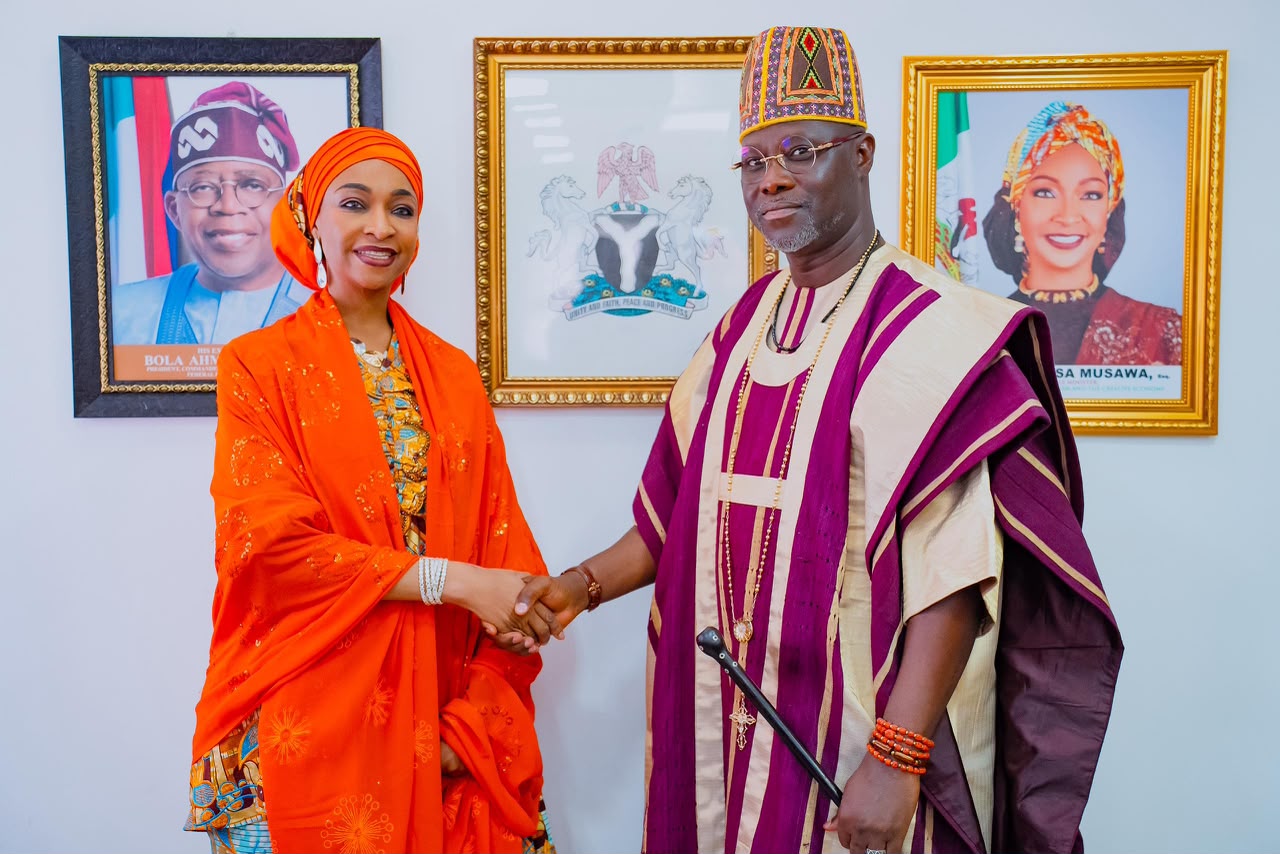
CAFA President, Aare (Prof.) Lai Labode, said the organisation was working with African governments to align sourcing, production, trade and intellectual property policies to ensure that African creativity generates greater economic value for businesses and communities across the continent.
Nigeria became the first country to sign the African Fashion Industry Growth Charter on November 5, 2025, when the Minister of Art, Culture, Tourism and the Creative Economy, Hannatu Musa Musawa, signed the document on behalf of the Federal Government.
Speaking ahead of the unveiling, Musawa said the initiative, Afroliganza, was designed to establish a structured and values-driven fashion economy rooted in African heritage and positioned for global impact.
She added that investment in the fashion industry could create millions of jobs, particularly for women and young people.
Registered in Rwanda, with an office in Kigali and a desk at the Federal Ministry of Art, Culture, Tourism and the Creative Economy, CAFA is also working with Nigeria’s Ministry of Foreign Affairs to secure the African Union’s adoption of the charter.
Rwanda is progressing towards becoming the second country to participate in the initiative and the first in East Africa.
According to the organisation, its first year witnessed the gathering of representatives from 50 countries at the Egbaliganza-Lisabi Festival in Abeokuta, Ogun State. It also signed a memorandum of understanding with Türkiye’s ASRIAD.
CAFA’s programmes focus on promoting the local processing of African raw materials into finished clothing and other fashion products, while strengthening intellectual property protection and industry standards.
The organisation’s Own What We Create initiative addresses intellectual property rights, while its CAFA Certified Seal and CAFA Heritage Mark are designed to promote quality standards and authenticity in African fashion.
It is also establishing African Global Fashion Houses in international markets to expand the global presence of African designers and fashion businesses.
Another major initiative, the African Global Fashion Games, is scheduled to debut in Nigeria in 2028. The event will bring designers together under their respective national colours and is expected to combine fashion competitions with investor meetings, business deals and policy discussions.
The Games will be held every three years, alternating between African and international host countries.
One of the planned activities, Instant Craft, will require competing countries to work with identical materials within a fixed period, with the aim of showcasing craftsmanship and technical skills.
CAFA has invited fashion designers, artisans, creatives, diplomats, economists, investors and policymakers to visit its stand at CANEX WKND 2026 to explore the roadmap and identify opportunities for collaboration in design, manufacturing, investment, research, trade and international partnerships.
The organisation also called on the African Union to adopt the African Fashion Industry Growth Charter and urged governments to sign the Games Register and establish national teams ahead of the competition.
“Fashion has always told the world who Africa is. Now Africa will decide what fashion pays,” Labode said.

