
By Blessing Bature
The Nigeria Centre for Disease Control and Prevention (NCDC) has disclosed that Nigeria has recorded more than 65,000 suspected cases of cholera across 35 states and about 195 Local Government Areas (LGAs) in 2026.
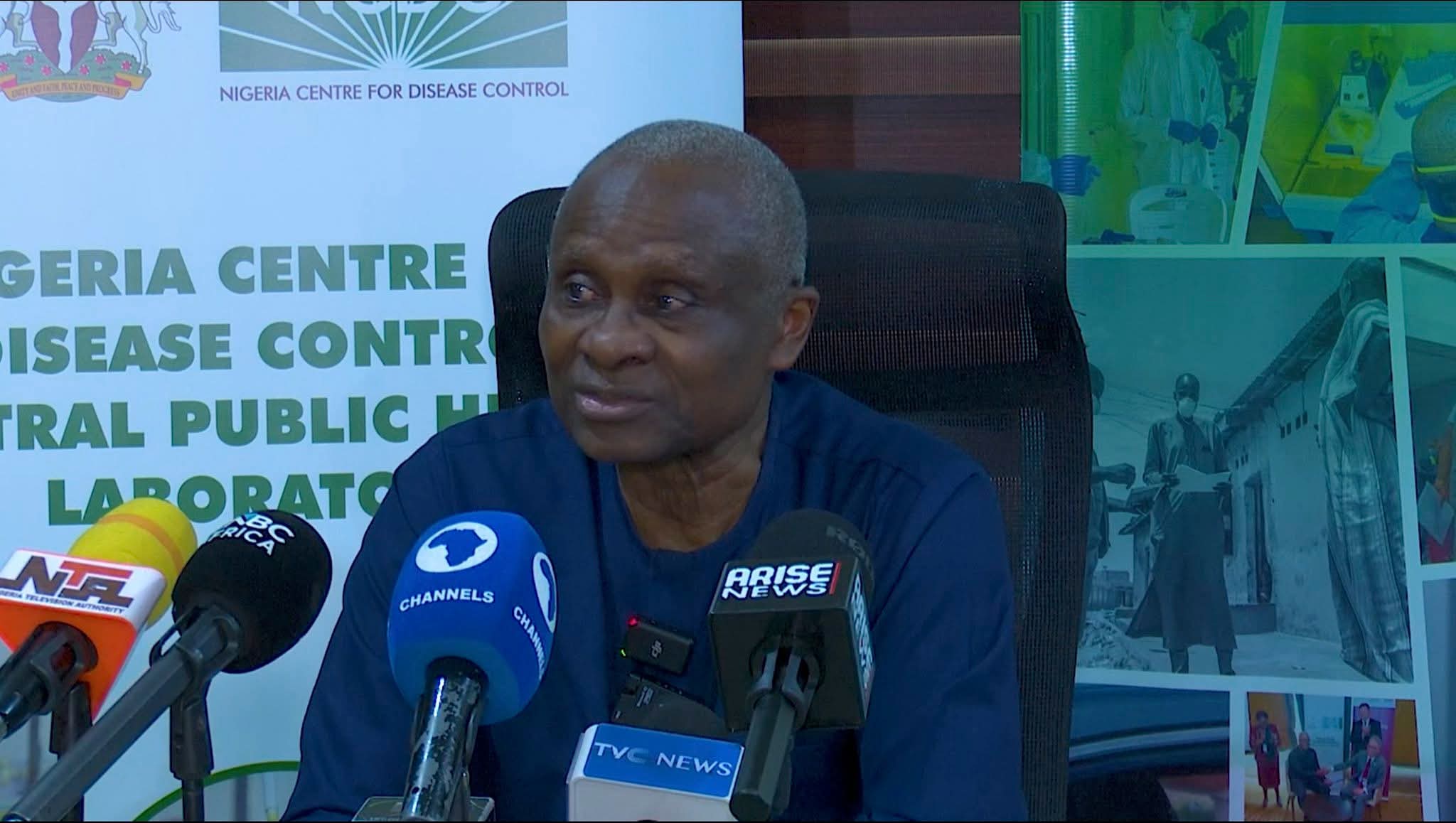
The NCDC Director-General, Dr Jide Idris who made the disclosure during a press briefing on Friday, said although the number of weekly cases had declined significantly from the peak recorded earlier in the year, the outbreak was far from over.
According to him, the proportion of reported cholera cases resulting in death was also considerably lower than it was during the same period last year.
He described the decline as encouraging progress but warned that the country could experience another surge in infections if preventive measures were relaxed.
“Our experience in recent years shows that cholera transmission can peak between late August and October,” he said.
He added that the continuing rainy season and the risk of flooding could further worsen the situation by contaminating water sources and overwhelming sanitation systems.
The NCDC therefore urged states and communities to sustain current response measures and strengthen preparedness to prevent a resurgence of the disease.
The agency identified early access to treatment as one of the major factors improving survival among cholera patients.
The Director-General said Borno State, which has recorded the majority of the suspected cases this year, had recorded better outcomes in areas where treatment services were brought closer to affected communities.
He noted that patients who sought medical attention early also had better outcomes.
However, he stressed that medical treatment alone would not end the outbreak, warning that the country must address the environmental and sanitation conditions driving transmission.
“But the data are telling us something equally important: while treatment saves lives, we cannot treat our way out of cholera,” he said.
According to the NCDC, response teams working across affected states continue to identify unsafe water supplies, open defecation, damaged water distribution systems, poor hygiene infrastructure and inadequate sanitation in schools, markets and other public institutions as major factors sustaining the outbreak.
The agency warned that failure to tackle these challenges would leave communities vulnerable to recurrent cholera outbreaks.
He therefore called for sustained investment in water, sanitation and hygiene (WASH), environmental health and community-level behavioural change as critical components of the national response.
The NCDC urged governments at all levels, development partners, communities and other stakeholders to consolidate the gains already recorded and intensify preventive interventions, particularly as the country approaches the period when cholera transmission could increase.
The agency also emphasised the importance of ensuring that communities have access to safe drinking water, functional sanitation facilities and timely healthcare, especially in areas affected by flooding and other environmental risks.
While the decline in cases and lower fatality proportion represent significant progress, the NCDC maintained that continued vigilance is necessary to prevent the current outbreak from escalating.

