
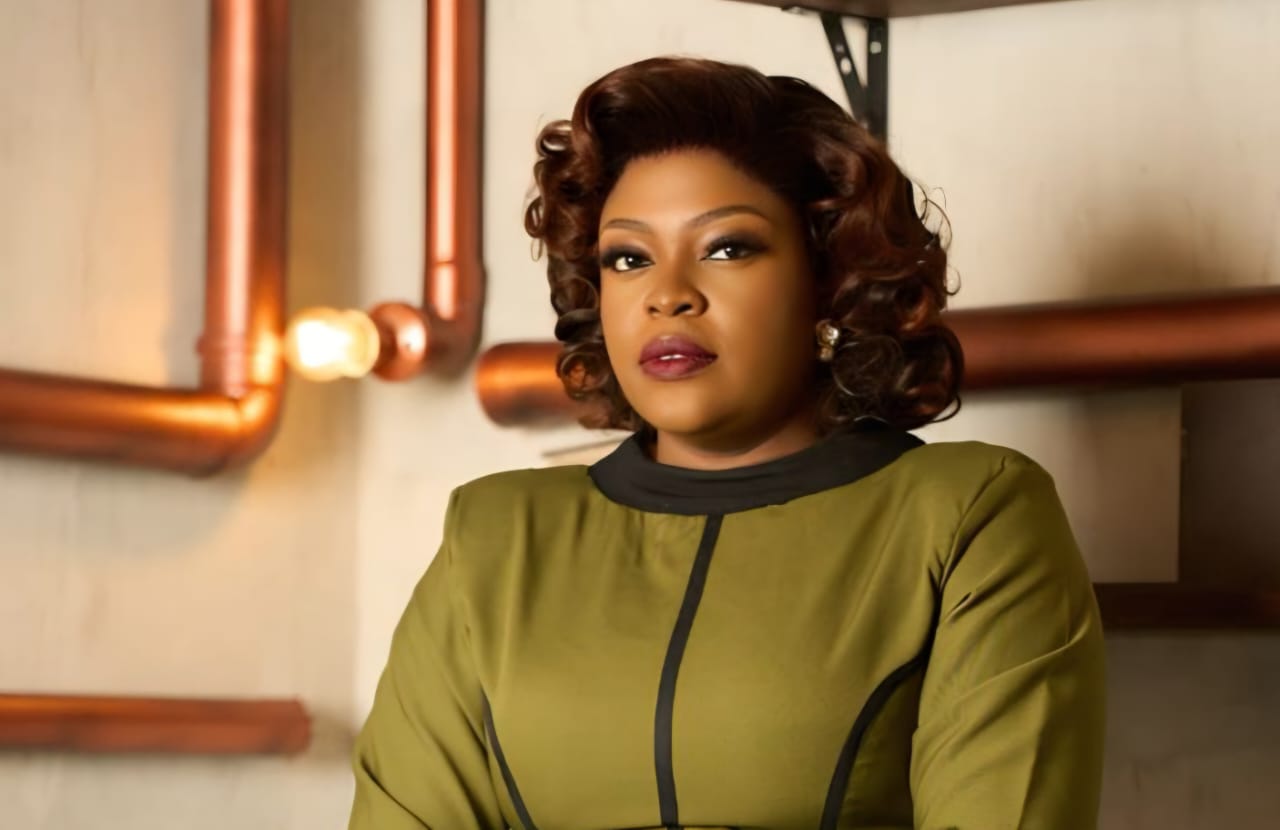
The Executive Director of Gender Strategy Advancement International (GSAI), Adaora Onyechere Sydney-Jack, has said increasing women’s participation in Nigerian politics will require deliberate structural reforms rather than symbolic gestures, insisting that equal access to political opportunities is essential for inclusive democracy.
Speaking to journalists in Abuja, Sydney-Jack said efforts to improve women’s representation must address the systemic barriers that have kept women on the margins of politics for decades.
According to her, the proposed Reserved Seats for Women’s Bill is intended to correct existing inequalities in political participation rather than offer women undeserved advantages.
“The Reserved Seats for Women’s Bill is not about giving women token positions. It recognises that there is already an existing imbalance where men have historically enjoyed greater access to political opportunities,” she said.
She explained that the bill seeks to create a level playing field for women, likening it to providing a platform for a shorter person to see over a fence while watching a football match.
“The platform represents the quota system. It is intended to level the playing field and provide women with equal opportunities to participate,” she added.
Sydney-Jack warned that unless urgent legislative and executive actions are taken, Nigeria could witness an even lower number of female candidates in the 2027 general elections.
She noted that recent party primaries failed to produce the number of female candidates many stakeholders had anticipated, describing the trend as a reflection of the structural challenges within the country’s political system.
The GSAI Executive Director argued that meaningful reforms must also include changing long-standing cultural attitudes that reinforce gender inequality.
She stressed that conversations on women’s political participation should deliberately involve men, saying sustainable progress cannot be achieved without their support.
“We need to have conversations that include men because, if we do not discuss these issues with them, we will still end up negotiating with them outside the room. Bringing men to the table and engaging them as partners is one of the most important steps,” she said.
According to her, many of the beliefs limiting women’s participation are formed within families, schools, religious institutions and communities, making those spaces critical to changing public attitudes.
She further urged parents to raise children to value competence over gender, noting that leadership should be determined by ability rather than whether a person is male or female.
Sydney-Jack also challenged the media to move beyond stereotypical portrayals of women and project them as capable leaders across political, economic and social spheres.
Drawing from her book, Politics, X and Power, she said the media has historically reinforced stereotypes that limit women’s aspirations, adding that balanced and responsible reporting can help reshape societal perceptions.
She also called on political leaders to demonstrate their commitment to gender inclusion through appointments, policymaking and creating more opportunities for women to participate meaningfully in governance.
“When those actions match the rhetoric, people will know that leaders truly mean what they say rather than merely speaking for political correctness,” she said.
Also speaking, National Chairman of the All Progressives Grand Alliance (APGA), Sly Ezeokenwa, said Nigeria must move beyond identifying the barriers to women’s political participation and focus on implementing practical reforms that guarantee greater representation.
He described the proposed Reserved Seats for Women Bill, currently before the National Assembly as part of the constitutional amendment process, as a critical step towards addressing the country’s long-standing gender imbalance in politics.
Ezeokenwa said the bill is not merely a women’s rights issue but one of fairness and inclusive governance, noting that although women constitute about half of Nigeria’s population and play an active role in elections, they remain grossly underrepresented in elective offices.
He urged the National Assembly to treat the legislation as a matter of national importance, saying its passage would ensure women have a guaranteed voice in decisions affecting the country’s future.

