
By Aaron Ossai
Key stakeholders in Nigeria’s transport and security sectors have endorsed reforms aimed at making Abuja’s transportation system safer, more accessible, and inclusive for all commuters, particularly persons with disabilities.
The commitment was made on Wednesday during the “Safe Transport, Inclusive Abuja” Stakeholders Dialogue, organised by the United States Government Exchange Alumni Association of Nigeria (USGEAAN), Abuja Chapter.
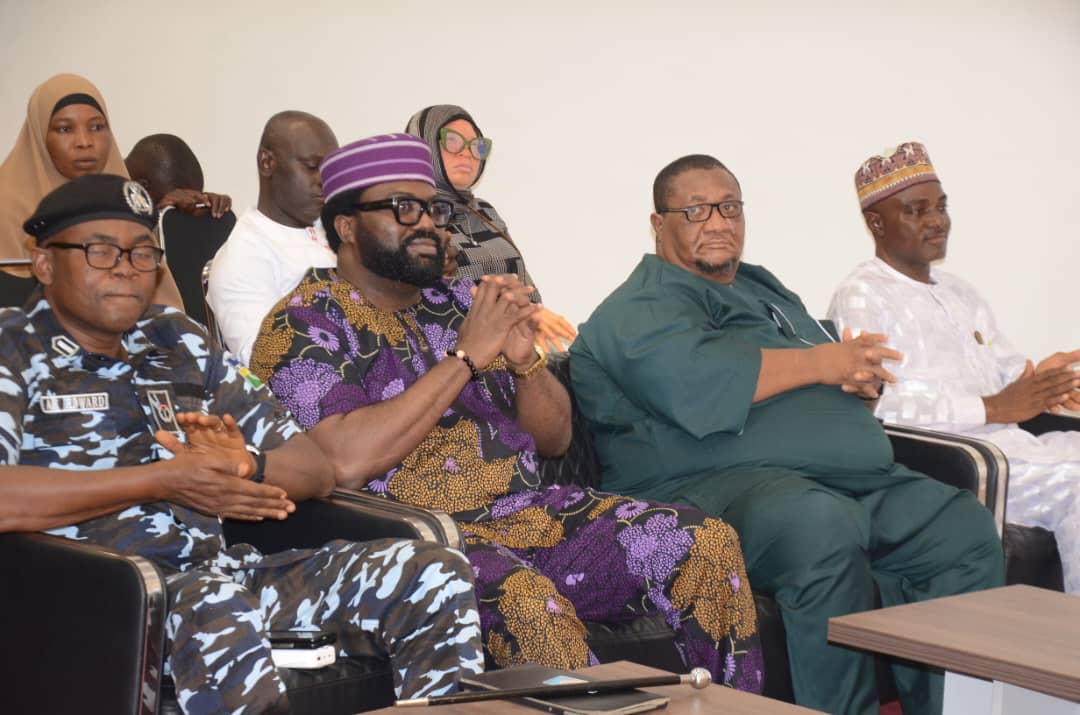
The forum brought together representatives from government agencies, transport unions, security organisations, disability advocacy groups, and other stakeholders to examine challenges facing commuters and develop policy recommendations to improve safety, accessibility, and inclusion within the Federal Capital Territory (FCT).
Speaking at the event, one of the coordinators of the initiative and spokesman of the House of Representatives, Hon. Akin Rotimi, said the dialogue reflected USGEAAN Abuja Chapter’s commitment to translating knowledge and experiences gained through United States Government-sponsored exchange programmes into practical initiatives that benefit society.
According to Rotimi, the programme was designed to create a platform for critical stakeholders to engage on practical solutions for enhancing safety and inclusion across Abuja’s transport system.
“This programme is geared towards bringing stakeholders together to have this conversation to improve safety and inclusion,” he said.
He noted that the dialogue also gave persons with disabilities and other commuters the opportunity to share their experiences navigating Abuja’s transport network.
“We’ve had people from the community, the various clusters—from the deaf, blind, and others—to share their lived experiences navigating transportation systems in Abuja from both safety and security perspectives. All of that feedback has been incorporated into policy recommendations that will be presented,” Rotimi added.
Participants included representatives of the Nigeria Police Force, Nigeria Security and Civil Defence Corps (NSCDC), Federal Road Safety Corps (FRSC), National Union of Road Transport Workers (NURTW), Nigerian Association of Road Transport Owners (NARTO), FCT Transportation Secretariat, National Commission for Persons with Disabilities, and the National Orientation Agency (NOA).
Representing the FCT Transportation Secretariat, Dr. Nanriet Emeje commended the organisers for applying international exposure to address local transportation challenges.
“It is gladdening to see alumni of United States Government-sponsored exchange programmes turning that experience into practical civic engagement here at home on an issue as central to everyday life as safe and inclusive mobility,” she said.
Emeje observed that the dialogue’s theme—”Safe Transport, Inclusive Abuja: Building Trust, Accountability, Security and Shared Prosperity for Every Commuter”—aligns with the Secretariat’s mandate to provide an accessible, affordable, efficient, and integrated transportation system across the FCT.
She stressed that the mobility needs of persons with disabilities must be considered from the planning stage rather than treated as an afterthought in transportation policy implementation.
Also speaking, Assistant Commissioner of Police Akaniyene Edward, who represented the FCT Commissioner of Police, assured participants that issues raised during the dialogue would receive the Command’s attention.
He disclosed that police divisions across the FCT would be directed to ensure traffic wardens provide assistance to persons with disabilities whenever they encounter challenges while using roads and public transportation facilities.
Edward said such measures would contribute to a safer and more responsive transport environment for vulnerable road users.
Similarly, Mr. Sunday Adams Peter of the NSCDC said an effective transportation system must serve every segment of society, noting that true efficiency cannot be achieved if some categories of commuters remain excluded.
He reaffirmed the Corps’ commitment to working with other security agencies and relevant stakeholders to strengthen commuter safety across the FCT.
On her part, Blessing Okoro of the FRSC urged the FCT Administration to establish designated motor parks and transport facilities for persons with disabilities to improve accessibility and reduce the challenges they face while commuting.
Participants also called for stronger collaboration among relevant agencies, improved transport infrastructure, greater accountability among transport operators, and deliberate inclusion of persons with disabilities in transport planning and policy implementation.
The organisers said recommendations from the dialogue would be consolidated into policy proposals for engagement with relevant authorities, with the goal of promoting a transportation system in Abuja that is safe, secure, accessible, and inclusive for every commuter.

