
By Aaron Ossai
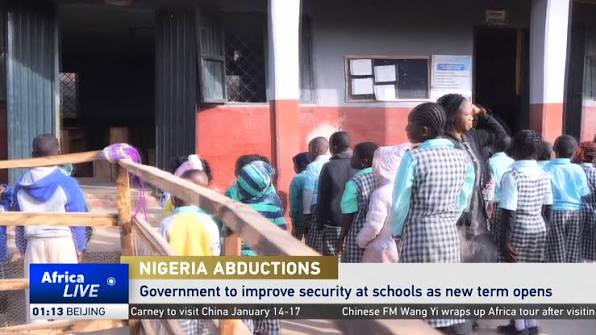
The recurring abduction of students from schools across Nigeria remains one of the nation’s gravest security challenges.
The most recent is the abduction of students who were sitting for their National Examinations Council, NECO examinations at the Government Day Secondary School Lassa in Askira/Uba Local Government Area of Borno State on Monday June 29, 2026 during which one of their teachers was killed.
Schools, which ought to be safe havens for learning, have increasingly become targets for criminal gangs seeking ransom, publicity, and leverage.
Each incident not only endangers innocent lives but also undermines public confidence in the education system, disrupts academic activities, and threatens the country’s future.
The persistent attacks on educational institutions have created an atmosphere of fear that discourages school attendance and weakens efforts to improve literacy and national development.
Over the past decade, numerous attacks on schools have forced thousands of students to abandon their education. Many parents now live in constant fear of sending their children to school, particularly in rural communities where the presence of security personnel is limited or nonexistent.
Some schools have been shut down indefinitely following attacks, while others continue to operate under constant anxiety, with students and teachers worried that another incident could occur at any time.
The psychological trauma experienced by victims, their families, and entire communities often lasts long after students regain their freedom. Many survivors struggle to return to normal academic life, while others never return to school at all.
The long-term consequences of these repeated attacks extend far beyond the immediate victims. Rising school dropout rates, declining enrolment, increased illiteracy, and a generation of young people deprived of opportunities to reach their full potential are among the most damaging effects.
In regions already facing educational challenges, the fear of kidnapping further widens the gap between children who have access to education and those who do not.
This situation threatens Nigeria’s human capital development and weakens the country’s ability to compete in an increasingly knowledge-driven global economy.
The government must therefore treat the security of schools as a national priority rather than responding only after tragedies occur. Preventive measures are more effective and less costly than emergency responses. Security agencies should intensify intelligence gathering to identify, monitor, and dismantle criminal networks responsible for these attacks before they strike.
Greater collaboration among the military, police, intelligence services, and local vigilante groups, where appropriate, can significantly improve the ability to detect and prevent threats.
Modern technology, including surveillance systems, drones, and communication networks, should also be deployed to monitor vulnerable areas and provide timely intelligence.
Schools located in high-risk communities should be equipped with perimeter fencing, surveillance cameras, alarm systems, adequate lighting, and trained security personnel capable of responding to emergencies.
Rapid-response security teams should be strategically stationed close to vulnerable communities to ensure immediate intervention whenever threats emerge. In addition, safe transportation arrangements should be considered for students in areas where travelling to and from school exposes them to heightened security risks.
State governments, local authorities, school administrators, traditional rulers, religious leaders, and community organizations all have critical roles to play in protecting educational institutions.
Community policing initiatives can help identify suspicious activities before attacks occur. Residents are often the first to notice unfamiliar movements or unusual behaviour within their communities, making local intelligence an essential component of effective security.
Parents, teachers, and local residents should be encouraged to report security concerns promptly through confidential and accessible communication channels.
Schools should also conduct regular security drills and emergency preparedness training so that students and staff know how to respond appropriately during emergencies, thereby reducing panic and confusion.
Furthermore, investment in school security should go hand in hand with broader efforts to address the root causes of insecurity across the country.
Poverty, unemployment, youth unemployment, weak law enforcement, poor governance, and limited economic opportunities create conditions that criminal groups exploit for recruitment and survival.
Sustainable solutions therefore require more than increased security presence; they demand comprehensive social and economic policies that improve livelihoods, strengthen institutions, promote justice, and restore public trust in government.
Criminals thrive where governance is weak and communities feel neglected. Addressing these underlying challenges will reduce the conditions that enable kidnapping, banditry, and other violent crimes to flourish.
Civil society organizations, development partners, and the private sector can also contribute by supporting school safety initiatives, providing security infrastructure, funding awareness campaigns, and assisting victims with rehabilitation and psychological support.
The media likewise has a responsibility to report incidents responsibly without glorifying criminal activities or creating unnecessary panic. Public awareness campaigns should educate citizens on security consciousness and encourage collective vigilance in protecting schools and children.
Protecting students is not merely a security obligation—it is a moral responsibility and a constitutional duty. Every child has the fundamental right to learn in a safe, secure, and supportive environment without fear of violence, intimidation, or abduction.
Nigeria cannot build a prosperous, innovative, and inclusive future if its classrooms continue to be scenes of terror and disruption.
Education remains one of the most powerful tools for national development, and safeguarding schools is essential to securing the country’s future.
The time for promises has passed. What the nation needs now is decisive action, sustained investment in school security, stronger collaboration among all stakeholders, and unwavering political commitment.
Every delay increases the risk of another tragedy and further erodes public confidence in the nation’s education system. Until every Nigerian child can attend school without fear, the country’s educational aspirations and national development goals will remain under serious threat.

