
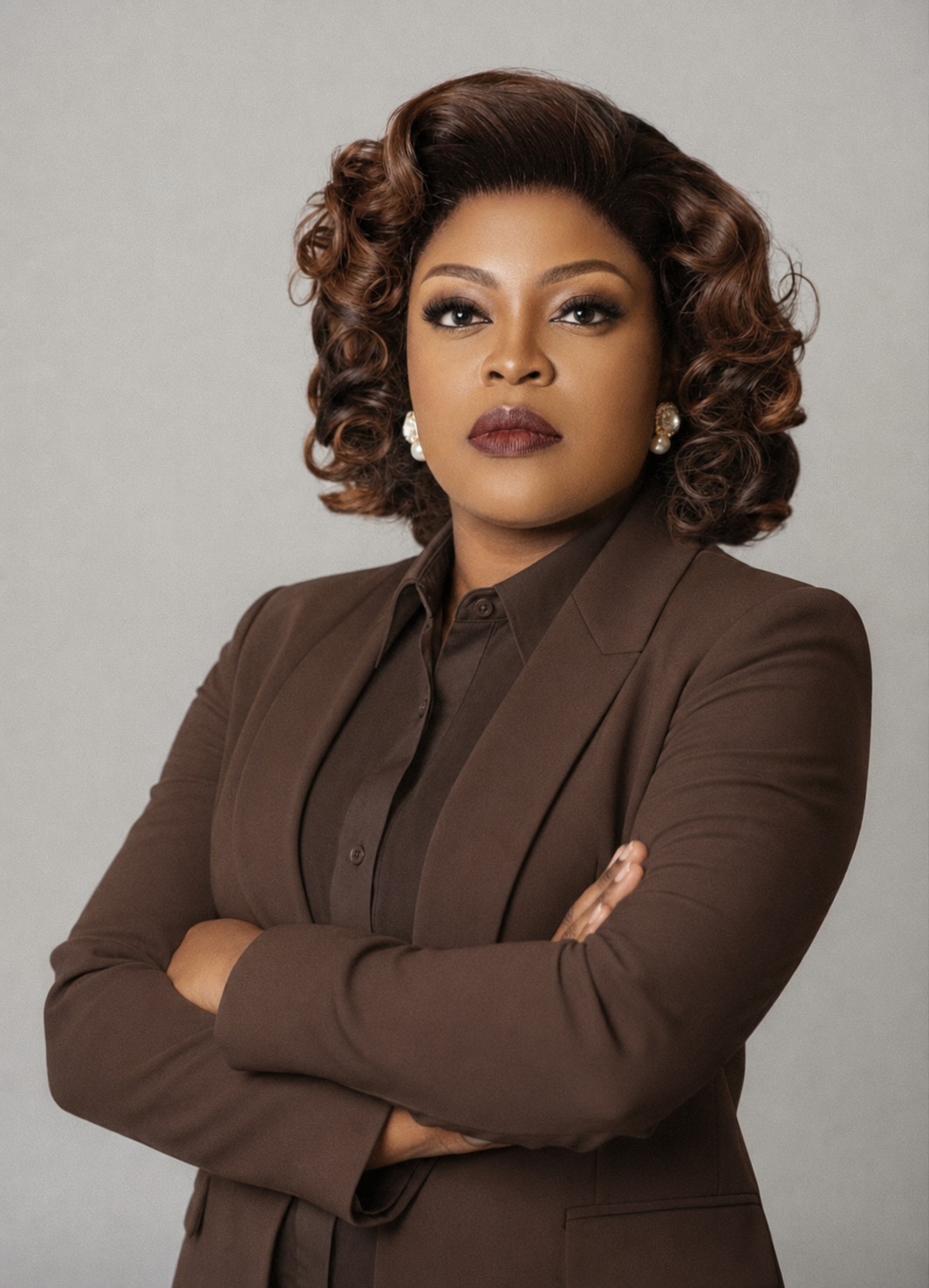
By Adaora Onyechere Sydney-Jack
The conversation around women’s political representation in Nigeria has reached a defining moment. For years, we have spoken about inclusion, equal opportunities, gender balance and the need to give women a stronger voice in governance. We have held conferences, issued statements, made recommendations and appealed to political leaders to recognise the importance of women’s participation in decision-making.
Yet, despite these conversations, Nigerian women continue to occupy an unacceptably small proportion of elective political positions.
This is why the renewed consideration of the Reserved Seats for Women Bill by the National Assembly is significant. The recent disclosure by the Leader of the Senate, Senator Opeyemi Bamidele, that the National Assembly Committee on the Review of the 1999 Constitution is considering a proposal to create 74 additional legislative seats for women at the federal level represents an important development in our collective struggle for a more inclusive democracy.
For us, however, this must be more than another political announcement. It must not become another expression of goodwill that generates headlines today and disappears from the legislative agenda tomorrow. The Reserved Seats for Women Bill must move beyond rhetoric and become a concrete constitutional commitment to genuine representation.
We are not asking for sympathy. We are demanding fairness, participation and the opportunity to contribute meaningfully to the governance of our country.
The proposed additional seats, comprising 37 in the Senate and 37 in the House of Representatives, alongside reserved positions in the State Houses of Assembly, offer an opportunity to begin correcting a structural imbalance that has persisted for decades.
The significance of this proposal is not simply the number of women who may eventually occupy these positions. It is the recognition that a democracy cannot claim to represent everyone when a substantial segment of its population remains largely absent from the institutions where decisions are made.
Nigeria’s political history has demonstrated that women possess the competence, experience, intellectual capacity and leadership qualities required to occupy positions of authority. Women are leading institutions, managing businesses, advancing education, contributing to national development and sustaining communities across the country.
Yet, when it comes to elective political positions, the barriers remain considerable.
The question we must ask is not whether Nigerian women are qualified to lead. The question is why a political system with so many capable women continues to make their entry into elective office so difficult.
The challenge is structural. It includes the high cost of political participation, limited access to campaign financing, party gatekeeping, entrenched political interests, gender stereotypes, intimidation and the unequal opportunities available to women seeking party tickets and electoral support.
We cannot continue to ask women to compete in a political environment where the conditions of competition are fundamentally unequal and then use the outcome as evidence that women are not sufficiently interested in politics.
This is precisely why the Reserved Seats for Women Bill matters. It is not about excluding men or diminishing their contributions to democracy. It is about expanding democratic opportunities and recognising that political representation must reflect the diversity of the people being governed.
One of the most important things we must understand is that representation is not merely about having women in the room. It is about ensuring that they have the authority, opportunity and institutional space to influence decisions.
The world is shifting towards a deeper understanding of the power of representation. Women are increasingly being recognised not just as voices within advocacy for gender inclusion but as policy shifters, lawmakers, negotiators and leaders capable of influencing the direction of national development.
When women occupy legislative positions, they bring different experiences and perspectives to discussions on healthcare, education, employment, security, economic opportunities, social protection, childcare and the protection of vulnerable citizens.
This does not suggest that women automatically represent the interests of every woman or that men cannot champion gender equality. Rather, it recognises that democracy is strengthened when people with different experiences have meaningful opportunities to participate in shaping public policy.
A woman in parliament should not simply be a symbol of inclusion. She should be able to influence legislation, scrutinise public expenditure, participate in committee work, question government policies and contribute to decisions that affect millions of Nigerians.
That is the kind of representation we are advocating.
The world is increasingly appreciating that inclusion is not a favour extended to disadvantaged groups. It is an essential requirement for democratic legitimacy, better governance and sustainable development.
The world is changing, and Nigeria must not be left behind. Developments beyond our shores provide compelling evidence that the political landscape is changing and that women, particularly women of colour, are increasingly breaking barriers that once appeared insurmountable.
The November 3, 2026 midterm elections in the United States offer some remarkable examples of this shift.
In Georgia, Keisha Lance Bottoms made history as the first Black woman elected governor in the United States. Her victory also makes her the first woman to govern Georgia. This is a significant milestone for Black women across the world who continue to challenge traditional limitations on political leadership.
In New Mexico, Deb Haaland became the first Native American woman elected governor of a US state. A member of the Laguna Pueblo community, Haaland had previously made history as one of the first Native American women elected to the US Congress and later as the first Native American to serve as US Secretary of the Interior.
Texas also witnessed a historic breakthrough with the election of Gina Hinojosa as the state’s first Latina governor. Her victory demonstrates the expanding political space for women from minority communities in a state with a significant Hispanic population.
In New York, Adrienne Adams emerged as the first Black woman elected lieutenant governor, serving on the gubernatorial ticket with Kathy Hochul. Her achievement is another important milestone in the struggle for greater diversity in American political leadership.
The breakthroughs did not end at the gubernatorial level. In Minnesota, Peggy Flanagan became the first Native American woman elected to the United States Senate, while Claire Valdez made history in New York as the first Native American woman elected to Congress from the state.
These victories are not simply individual accomplishments. They represent a wider transformation in the understanding of political representation and who should have access to positions of authority.
Of course, the United States has not resolved its own challenges of gender and racial inequality. But these developments demonstrate that political institutions can evolve when barriers are challenged, political opportunities are expanded and citizens are willing to embrace more inclusive leadership.
For me, the most important lesson is that representation must go beyond the symbolic presence of women in political spaces. It must translate into the power to influence legislation, shape public policy, determine national priorities and contribute to decisions that affect the lives of citizens.
The experiences of Black, Latina and Native American women in the United States also remind us that women are not a homogeneous group. Their experiences differ, and political inclusion must recognise the different barriers women face because of their backgrounds, identities and socioeconomic circumstances.
Nigeria must draw lessons from these developments. We cannot continue to operate a political system that excludes a significant proportion of our population from meaningful decision-making and expect to build a truly representative democracy.
The question should no longer be whether women are capable of occupying these positions. The question should be how quickly our institutions can remove the structural barriers that prevent them from doing so.
The world is moving, and Nigeria must not be left behind. Democracy is about collaboration, not competition.
I have always maintained that democracy should be about collaboration, inclusion and shared responsibility, not a contest in which one group must lose for another to gain.
The argument that creating reserved seats for women will disadvantage men misunderstands the purpose of the proposal. The intention is not to take existing constituencies away from male representatives. It is to create additional opportunities for women to participate in the legislative process.
We must begin to move away from the mentality that political power is an exclusive possession that must be protected against the participation of others.
A stronger democracy is one that recognises the contributions of all its citizens and creates institutions that accommodate their aspirations.
Women are not asking to replace men. We are asking to work alongside men as equal partners in building a country that works for everyone.
Indeed, the success of this initiative will require collaboration across political parties, institutions, civil society organisations, traditional structures, the media and the private sector.
It will also require men who understand that gender inclusion is not a threat to their leadership but an opportunity to build a more representative and effective political system.
We must acknowledge the efforts of those who have continued to shape the conversation and advance the cause of women’s political representation.
I particularly commend the 10th National Assembly, the Speaker of the House of Representatives, Rt. Hon. Tajudeen Abbas, and the Deputy Speaker, Rt. Hon. Benjamin Kalu, for their contributions to advancing the discussion around the Reserved Seats for Women Bill.
I also acknowledge the Office of the First Lady, Senator Oluremi Tinubu, for consistently using her platform to promote women’s inclusion and encourage legislative action on the issue.
Her advocacy has helped sustain national attention on the importance of creating opportunities for women in political leadership.
I equally commend President Bola Ahmed Tinubu for his public commitment to supporting the initiative. His willingness to lend presidential support to the campaign is significant, particularly at a time when the country requires decisive political leadership to address longstanding inequalities.
I consider this commitment an important demonstration of fatherly leadership, because advancing women’s representation requires political leaders who are prepared to listen, build consensus and support reforms that benefit the wider society.
We are encouraged by the President’s position and the indications that the National Assembly is giving serious consideration to the proposal.
However, our appreciation must not be mistaken for a declaration that the work is complete.
The real test of commitment will be the successful completion of the constitutional amendment process. The proposal must receive the necessary legislative approvals before it can become law.
For us, the hope is that this will take shape before the next general election. The President has spoken, and the National Assembly is leaning towards the proposal. These are encouraging signs that must now translate into decisive action.
The media also has an important role to play in ensuring that the debate is properly understood.
Women’s political participation should not be treated as a soft issue or a subject that becomes relevant only during International Women’s Day celebrations. It is a fundamental democratic question that deserves sustained attention.
Journalists must interrogate the barriers facing women, examine the positions of political parties, track the progress of the constitutional amendment and hold public officials accountable for their commitments.
Political parties must also look inward. They must address the structures and practices that make it difficult for women to secure nominations, access campaign resources and participate in internal decision-making.
Reserved seats should complement, not replace, wider reforms that make the political environment more accessible to women.
We must also ensure that the process of filling these seats is transparent, credible and accountable. The objective is not to create another avenue for political patronage or to reserve positions for a privileged few. It is to create meaningful opportunities for competent women from different backgrounds to serve.
Ultimately, the success of the bill must be measured not just by the number of seats created but by the quality of representation and the contribution of women to national development.
The Reserved Seats for Women Bill represents more than a legislative proposal. It is a test of our commitment to democratic inclusion and our willingness to confront structural inequalities that have limited women’s participation in governance.
For too long, Nigerian women have been encouraged to participate in politics without sufficient attention being paid to the barriers confronting them. We have been told to organise, mobilise, contest and demonstrate our competence. We have done so, but the outcomes continue to reveal the limitations of a political system that has not adequately addressed unequal access.
We must therefore seize this moment.
We appreciate the 10th National Assembly, the leadership of the House of Representatives, the Office of the First Lady and President Bola Ahmed Tinubu for helping to shape the narrative and sustain the push for this important reform.
We remain hopeful that their commitments will translate into the necessary constitutional action before the next general election.
Our message is simple: the Reserved Seats for Women Bill must not remain a political slogan. It must become a practical instrument for expanding democracy, strengthening representation and giving women the opportunity to participate fully in shaping Nigeria’s future.
We are not asking for a place at the table merely to be counted. We want to participate in the conversations, influence the decisions and help shape the policies that determine the direction of our country.
That is what true representation means. And that is why this moment must go beyond rhetoric.
Adaora Onyechere Sydney-Jack
Inclusive Public Policy, Tri-Sector Strategic Communications Expert.
Broadcast Journalist
Author of The best seller Politics, Pussy and Power.
Founder WEWE Network Afrique and former Head of the Gender and Cluster Committee African Union Ecosoc Nigeria.
adaoraonyechere1@gmail.com
www.wewenetworkafrique.org

